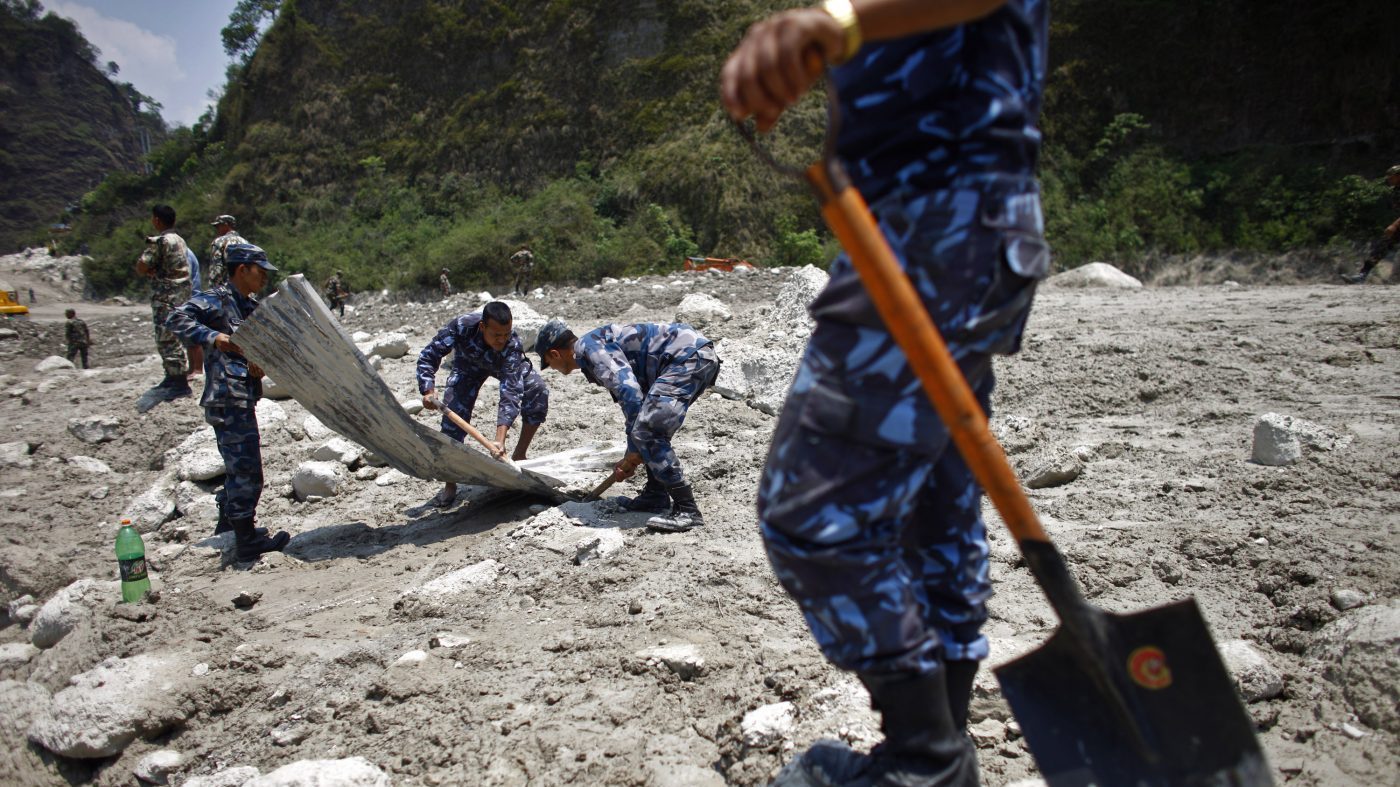
In the wake of catastrophic floods and landslides that struck Nepal on August 26, killing or leaving missing thousands, a new generation has taken the lead in rescue and recovery operations. Young Nepalis, many in their twenties, have organized themselves into response teams, distributing supplies and pulling survivors from the wreckage. One such team of ten pivoted from delivering aid to conducting on-the-ground rescues after witnessing the devastation firsthand. Sunil Singh, a Nepali Gen Zer, told local outlet Ratopati that his generation is "ready to be mobilized at the forefront."
Prakash Bam, secretary of the National Gen Z Citizen Campaign, criticized the government's slow response, noting that many citizens remain trapped. "Citizens are still waiting for life and death. The government should immediately intensify the rescue work, even if it means taking international help," Bam said. The frustration echoes across the globe, where young adults in the U.S. have also stepped in to fill gaps left by official disaster management.

In Altadena, California, the Eaton Fire prompted community members to found A Resilient Tomorrow (ART), a grassroots organization that organizes distribution drives and advocates for survivors. Savannah Bradley, 26, co-director of ART, told The Hill, "We recognized how much government disaster response and disaster aid falls short. We saw a gap in those services." She added, "There was a lot of frustration that the people in power were not taking this seriously enough, and we needed to protect ourselves. We're young; we're the future."
ART, initially the Altadena Recovery Team, has expanded beyond immediate relief to include survivor protection and monthly donation drives. Bradley's sentiment—"If we don't get the support, we do it ourselves"—captures a broader generational ethos. A June GoFundMe survey found that 57% of Gen Zers budget for donations annually, and 40% cut personal spending to give. Causes range from social justice (29%) to conservative political causes (17%) and children's charities (12%).
This drive to help is not limited to disaster response. A Harvard study released in June revealed that 79% of adults aged 18-29 want a job "mainly focused" on helping others. Richard Weissbourd, the study's director, noted that young adults often cite helping others as their favorite part of work. "Among Gen Zers, there is a lot of concern about the world, and there's a wanting to do something meaningful that will make it better," he said.
The political arena is also seeing Gen Z assert itself. Rep. Maxwell Frost (D-Fla.), the first Gen Z member of Congress, recently appeared on Jubilee's YouTube show "Surrounded," where he faced a room of baby boomers and defended his generation against accusations of entitlement. Frost argued for student loan forgiveness and called Gen Z the most politically involved generation, noting that young adults can "only read about" the American Dream. He told The Hill the experience was "a microcosm for how young people feel about things right now, that there's just a lot of folks just yelling at them, not listening to their concerns."
Despite the heated exchange, Frost remained unflappable, drawing on his Florida roots. "I live in Florida. I spent a lot of time in very Republican areas. I'm a jet skier. I do water sports. I go to wrestling and I have these conversations with people all the time," he said. He reported that most of his detractors shook his hand afterward, expressing pride in his poise.
Meanwhile, Michigan Senate candidate Abdul El-Sayed, a Democrat, has tapped into pop culture to engage younger voters. He spoofed "Love Island: USA" with a "Senate Island" video, aiming to capture Gen Z attention. The move reflects a broader trend of candidates using creative tactics to connect with a generation that is increasingly distrustful of government—a Gallup poll found a record 89% of Americans see widespread government corruption.
As Gen Z continues to shoulder responsibilities that institutions fail to meet, their actions signal a shift in how civic engagement and political participation are defined. Whether through on-the-ground rescue efforts, grassroots organizing, or viral campaigns, this generation is making clear that they will not wait for permission to lead.