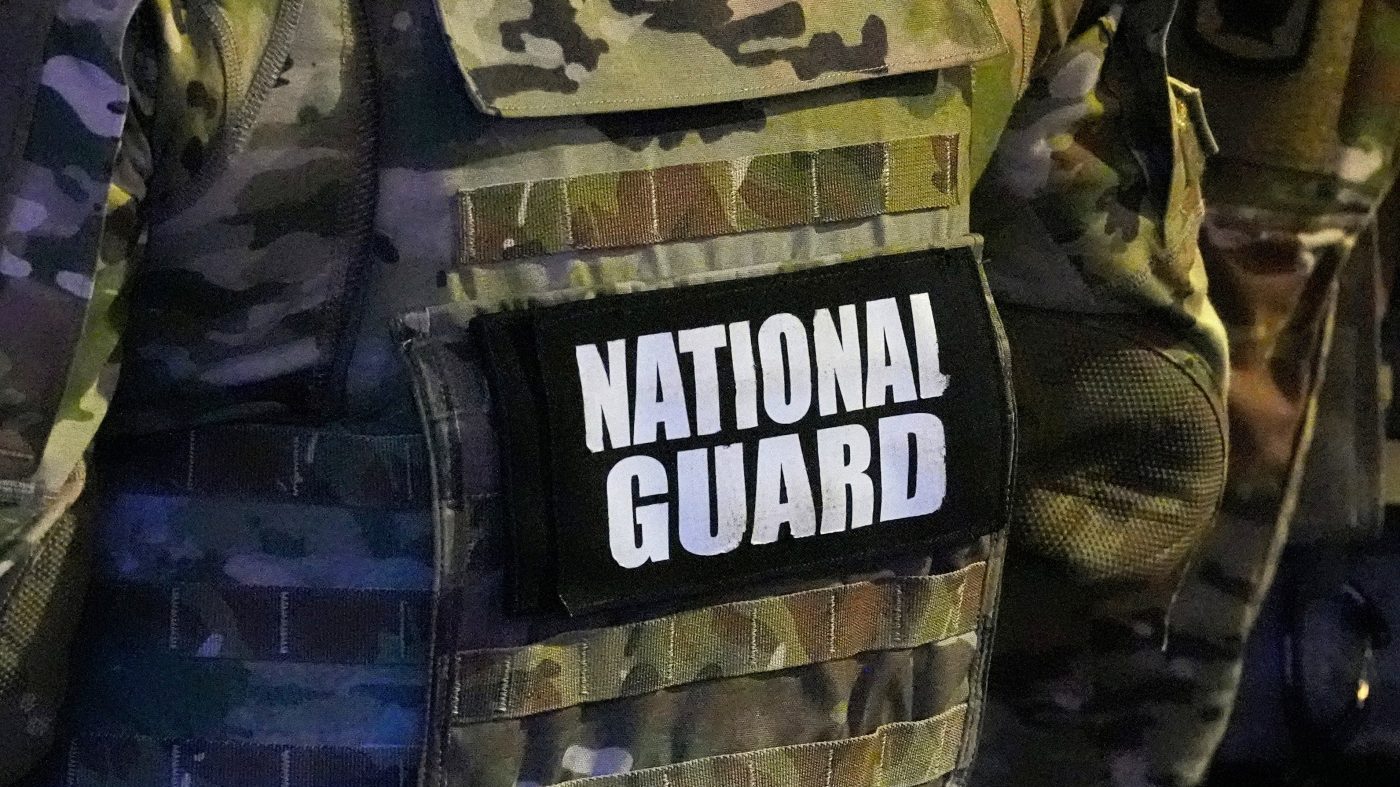
The death toll from the ongoing conflict with Iran has climbed to 17, following the deaths of three U.S. service members in separate incidents over the weekend, according to U.S. Central Command.
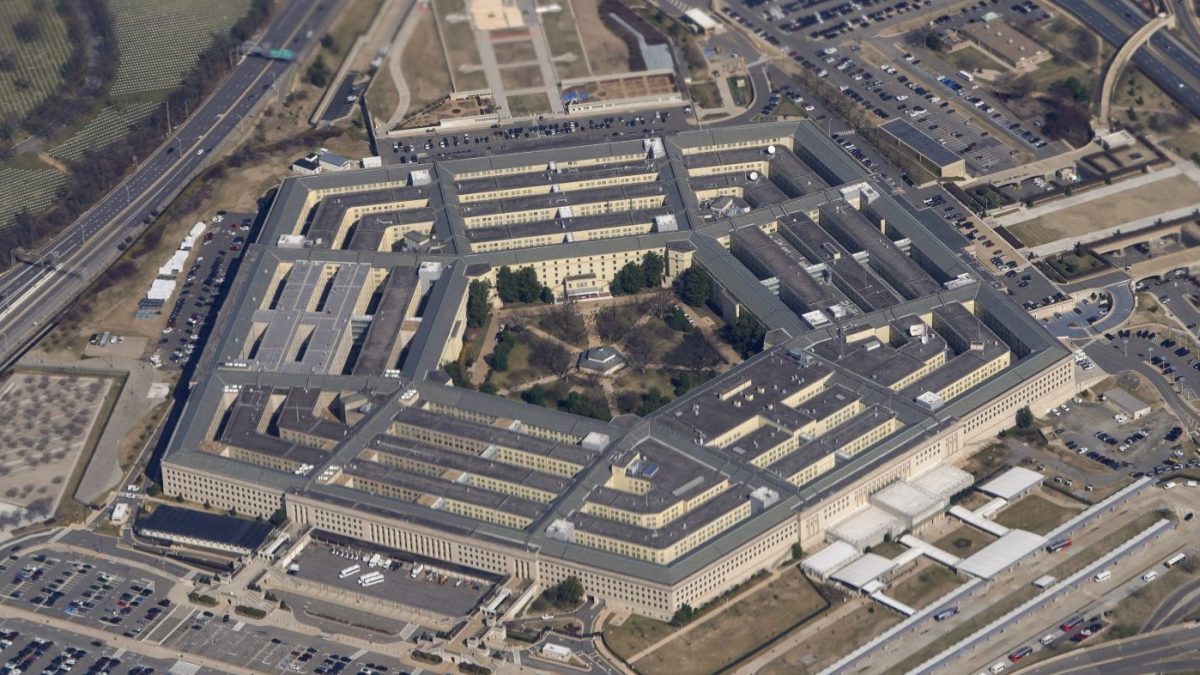
Two soldiers were killed Friday in an Iranian attack on American forces stationed in Jordan, the Pentagon confirmed. A third died Saturday in northern Iraq during a controlled detonation of unexploded ordnance from a downed Iranian drone.
In response, the United States has intensified its military campaign, striking multiple Iranian command centers and air defense systems. Centcom said the strikes aim to reduce Tehran's capacity to threaten commercial shipping in the Strait of Hormuz.
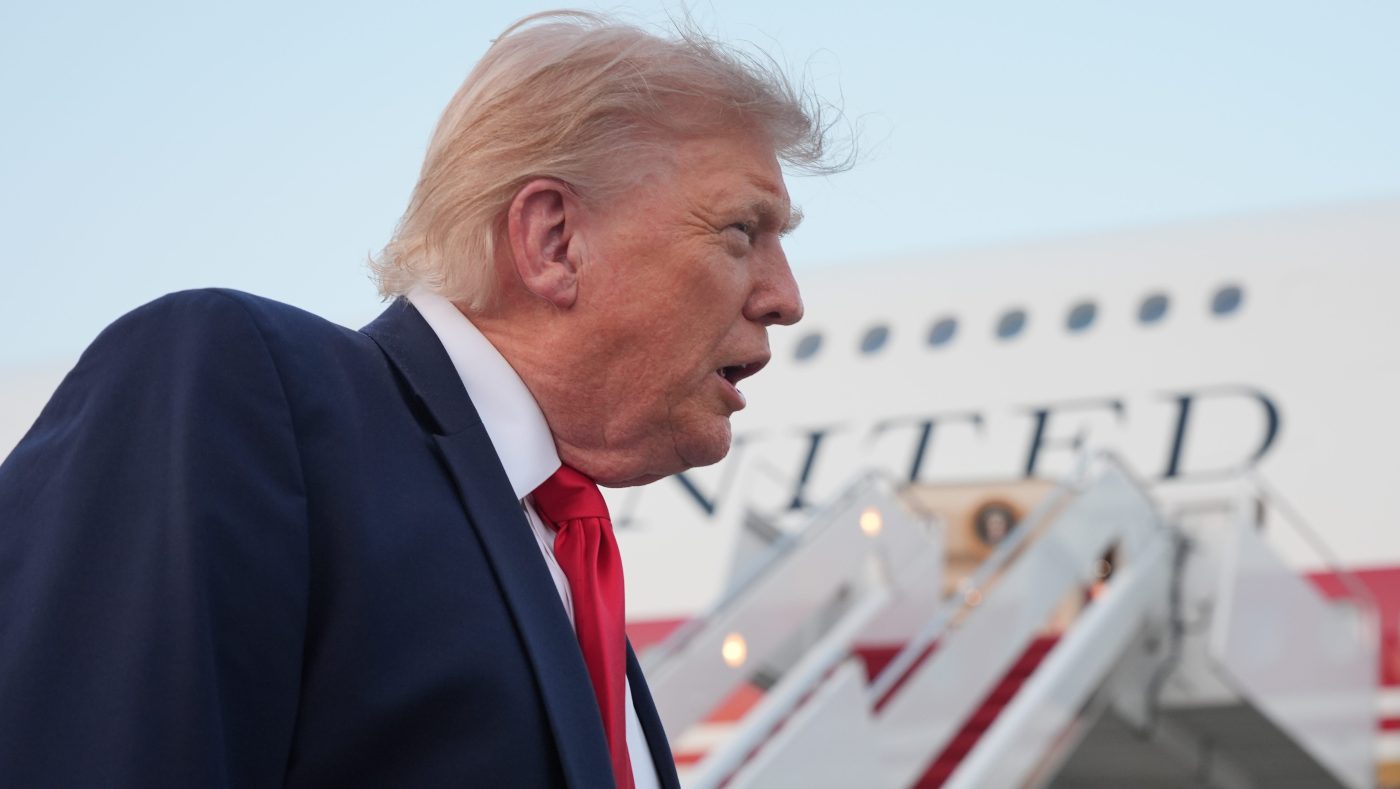
President Donald Trump said Sunday that the bombings were carried out in honor of the three fallen troops. The escalation follows the collapse of a short-lived ceasefire and marks a significant uptick in hostilities.
On Capitol Hill, Speaker Mike Johnson faces a packed legislative calendar before the August recess. He must push through the annual defense authorization bill, a budget reconciliation package, a stopgap spending measure to avoid a government shutdown on September 30, and legislation banning stock trading by members of Congress.
Meanwhile, a bloc of Senate conservatives aligned with Trump is quietly discussing attaching the SAVE America Act to the must-pass continuing resolution. The move comes after Trump warned in a national address that the U.S. electoral system remains vulnerable to foreign interference.
In a separate development, Trump attended the World Cup final in East Rutherford, New Jersey, where he presented the trophy alongside FIFA President Gianni Infantino. The event, which saw Spain defeat Argentina, also drew attention for its political undertones.
For more on the rising casualties, read our earlier report on how the low U.S. death toll in the Iran conflict was considered remarkable before the recent spike.
As the situation evolves, the administration's strategy appears focused on degrading Iranian military infrastructure while avoiding a wider regional war. Critics, however, warn that the escalating cycle of attacks risks drawing the U.S. deeper into prolonged combat.