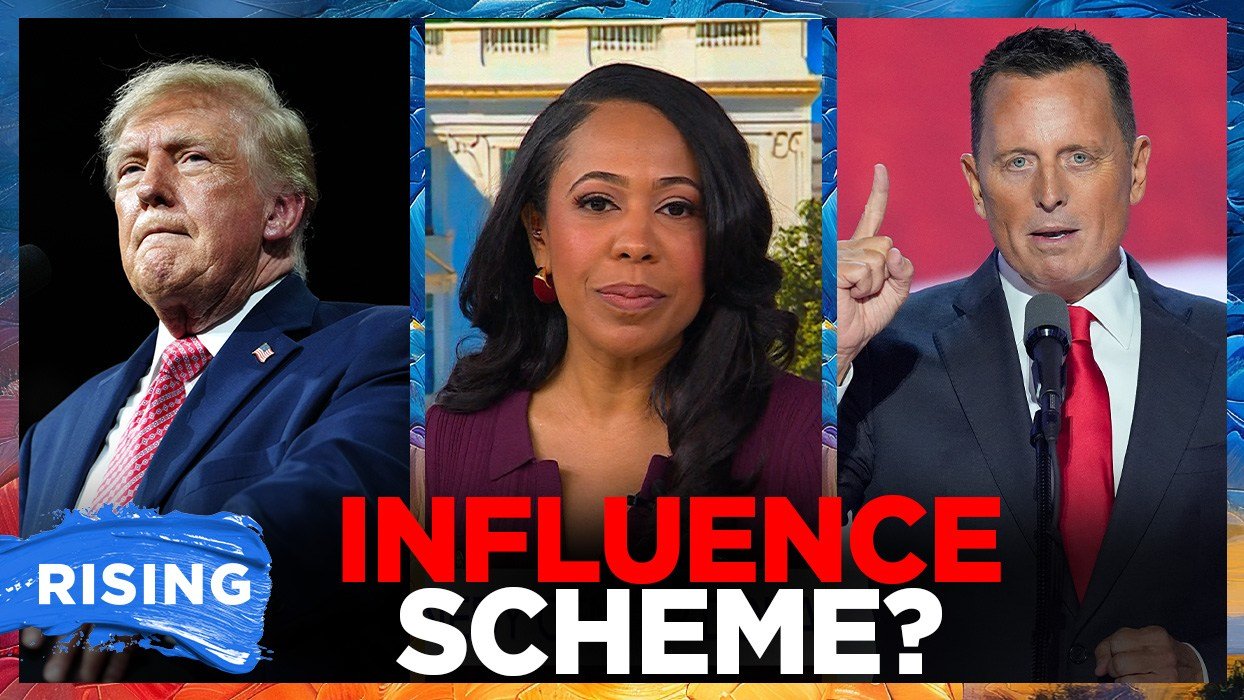
As lawmakers scatter for the August recess, a question echoes through Washington: “What are we doing here?” It’s a query that draws laughter from insiders and exasperation from voters, who handed President Trump and Republicans unified control of Congress two years ago with a clear mandate—lower grocery and gas prices for working families, and avoid another costly foreign entanglement.
The results, by any measure, are underwhelming. This Congress has seen six members die in office, including Senator Lindsey Graham. Majority Leader Mitch McConnell, 84, remains hospitalized. Over 100 sitting lawmakers are past 70. Judiciary Chairman Chuck Grassley, 92, and Ranking Member Dick Durbin, 81, led confirmation hearings for Attorney General Todd Blanche. The president himself, 80, remains fixated on baseless election fraud claims.
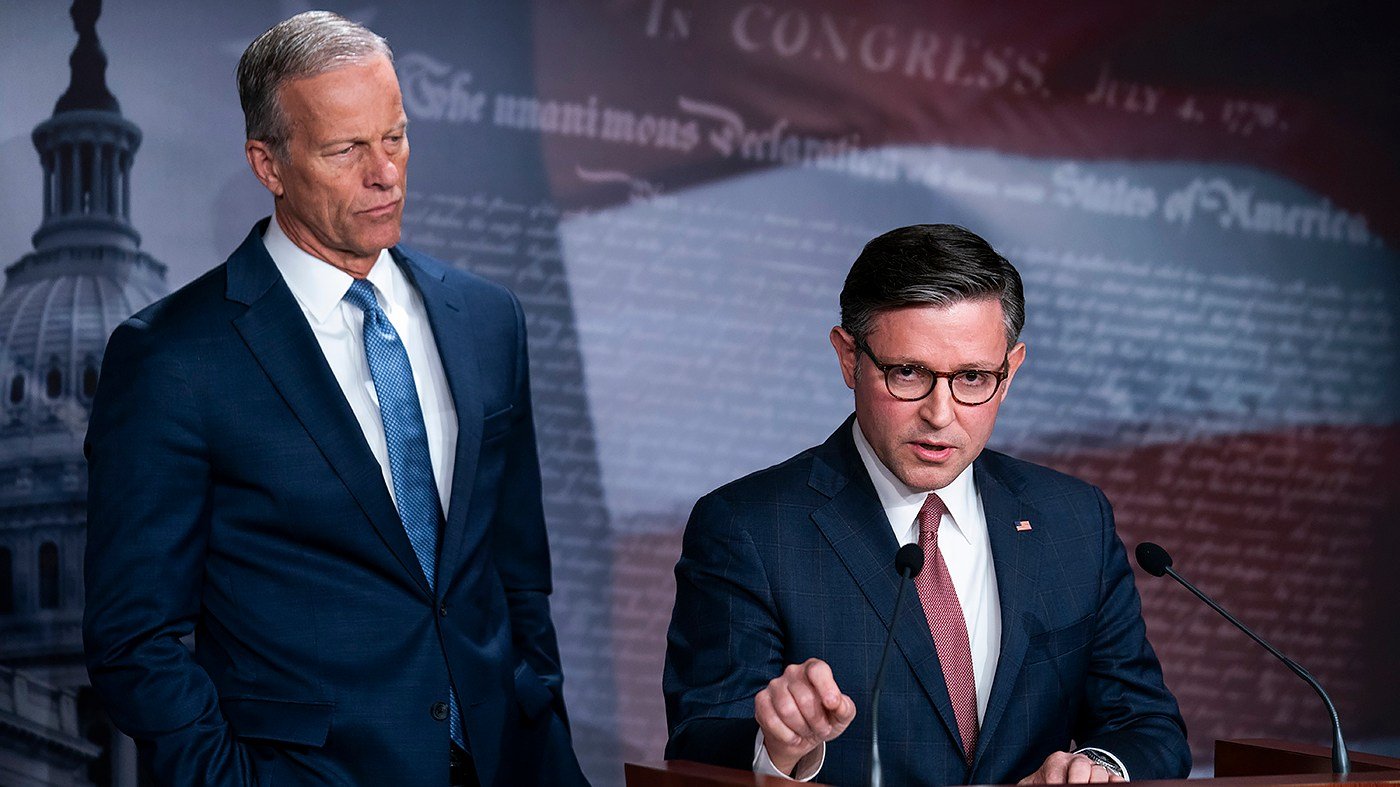
Earlier this year, a Republican congressman vanished for months, citing depression, and returned to find his absence barely noticed—Congress wasn’t voting on much. Public records show he kept trading stocks. Last Congress, the GOP House Appropriations chair left Washington for dementia care while still drawing a salary.
Defenders of the gerontocracy cite experience, but it hasn’t yielded results. The signature GOP achievement is the “Big Beautiful Bill,” a tax cut that benefits the wealthy and corporations. On the campaign trail, Republicans struggle to defend it as grocery prices stay high, gas costs remain elevated, and health premiums rise. Lower taxes on tips and overtime offered some relief, but it’s been swamped by persistent inflation.
Farmers and auto workers feel the sting of Trump’s failed tariffs and the economic fallout from closing the Strait of Hormuz. Congressional oversight is nonexistent—no scrutiny of another endless war, and unanswered questions about the Jeffrey Epstein scandal persist.
Democrats contrast this with past unified governments. Under Obama, they passed the Affordable Care Act, covering millions and banning pre-existing condition denials. Under Biden, they delivered a massive infrastructure investment, rebuilding roads, bridges, and broadband. Love them or hate them, those were governing agendas. Trump’s GOP has produced tax relief that widens inequality—more billionaires, more working families struggling to pay bills.
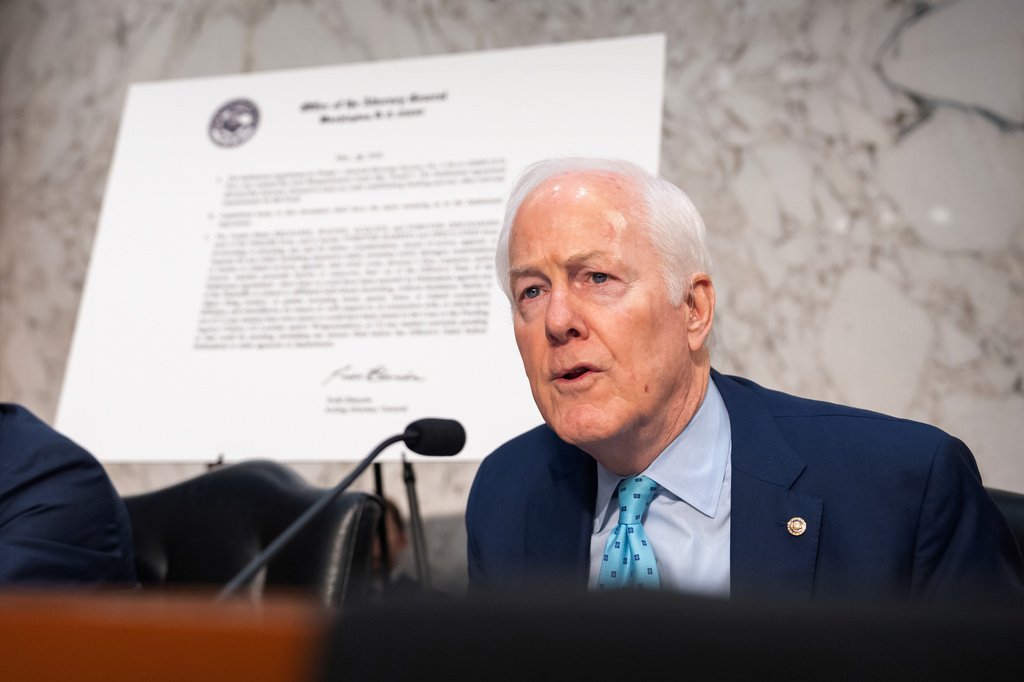
The biggest winners are what Senator Jon Ossoff calls “the Epstein class.” Scholars Norman Ornstein and Thomas Mann once called Congress “the broken branch.” They warned that when one party becomes an “insurgent outlier,” incapable of compromise, government stalls. Today, the Senate’s “YOLO Caucus”—aging Republicans like John Cornyn, Bill Cassidy, and Thom Tillis—embodies that dysfunction. Free from reelection fears, they could cut deals and demand accountability, but with just 21 House and 31 Senate working days before Election Day, time is running out.
As President Reagan once asked, “Are you better off than you were four years ago?” This year, Americans might ask: Are we better off than two years ago? The answer, for most, is no.