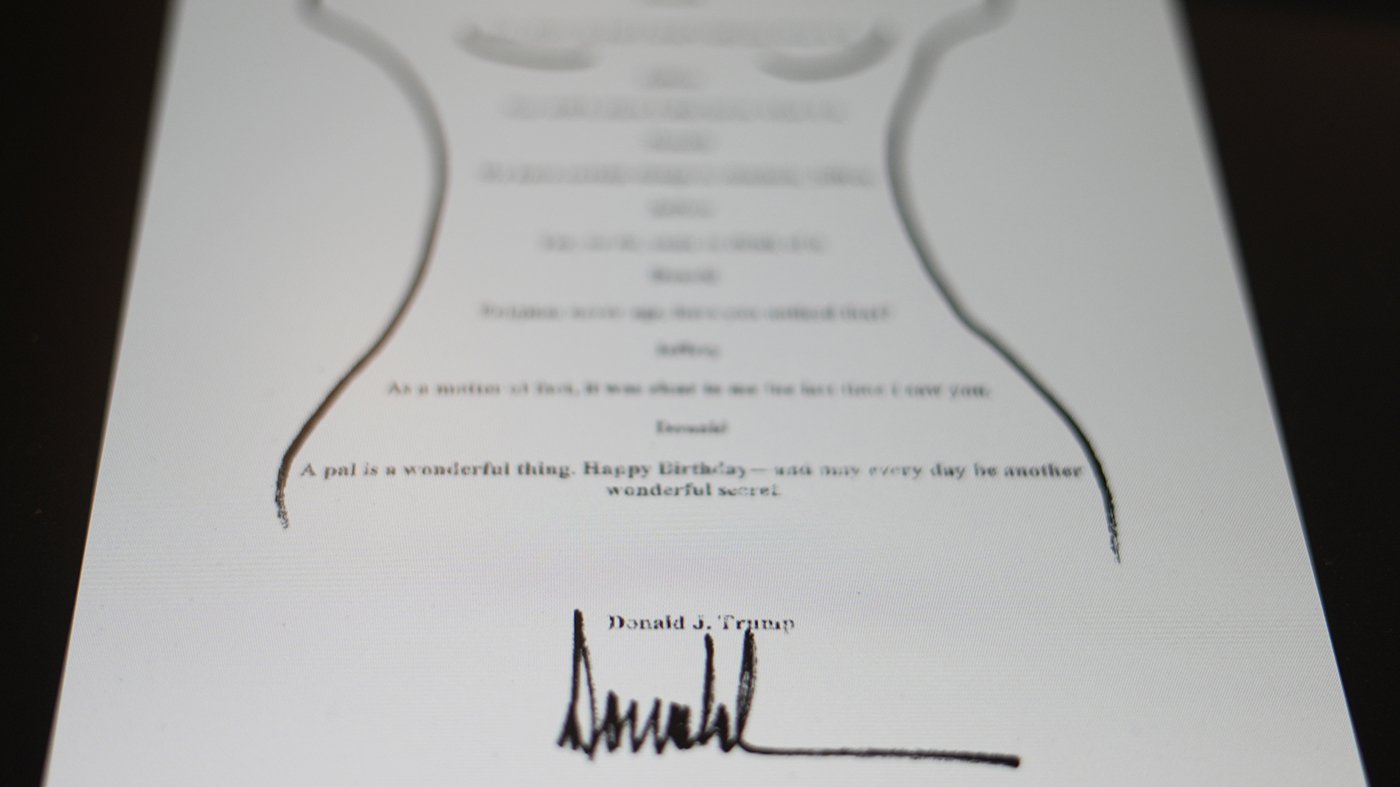
Former President Donald Trump has revived a failed defamation lawsuit against The Wall Street Journal, a move that legal experts and press advocates say is less about winning and more about intimidation. The suit, originally filed last July over a story about a lewd birthday card sent to Jeffrey Epstein, was dismissed in April for failing to meet the “actual malice” standard required for public figures.
In the original case, the court ruled that Trump’s complaint “comes nowhere close” to showing the Journal knowingly published false information. Undeterred, Trump refiled the suit with additional grievances, but the core problem remains: the Epstein estate itself produced the card in response to a subpoena, undermining Trump’s claim that it was a forgery.

A Pattern of Legal Bullying
This is not an isolated incident. Trump has a long history of filing Strategic Lawsuits Against Public Participation, or SLAPPs, targeting media outlets, social media platforms, and even individuals. His targets have included YouTube, Twitter, Facebook, a pollster, and the Pulitzer Prize committee. As Trump demands Fox News fire Karl Rove, his legal strategy remains consistent: use the courts to burden critics with costly litigation.
Other figures in the MAGA orbit have adopted similar tactics. Former Rep. Devin Nunes famously sued parody accounts, including one impersonating his mother. FBI Director Kash Patel recently sued The Atlantic over a story about his drinking. Eric Trump has threatened legal action over coverage of his China trip.
The Anti-SLAPP Gap
While 40 states and D.C. have anti-SLAPP laws allowing early dismissal and fee recovery, these protections often don’t apply in federal court, where many such suits are filed. This loophole lets wealthy plaintiffs like Trump exploit the system, as seen in the ongoing D.C. Circuit battle over Trump’s White House ballroom.
Chris Truax, an appellate attorney and charter member of the Society for the Rule of Law, argues that Congress must pass a federal anti-SLAPP bill. “SLAPP suits cannot be allowed in a free country,” he writes. “When they are, the country is a little less free than it should be.”
Why Reform Matters
Without federal action, the threat of ruinous litigation continues to chill speech. As Buttigieg rises as Democrats' go-to Trump counterweight, the need for legal safeguards becomes more pressing. The goal is not partisan—it’s about protecting ordinary citizens from being muzzled by powerful figures.
Trump’s latest suit against the Journal is unlikely to succeed, but it serves its purpose: forcing the paper to spend time and money defending itself. Until anti-SLAPP protections are extended to federal court, this pattern will persist, undermining the very idea of a free press.