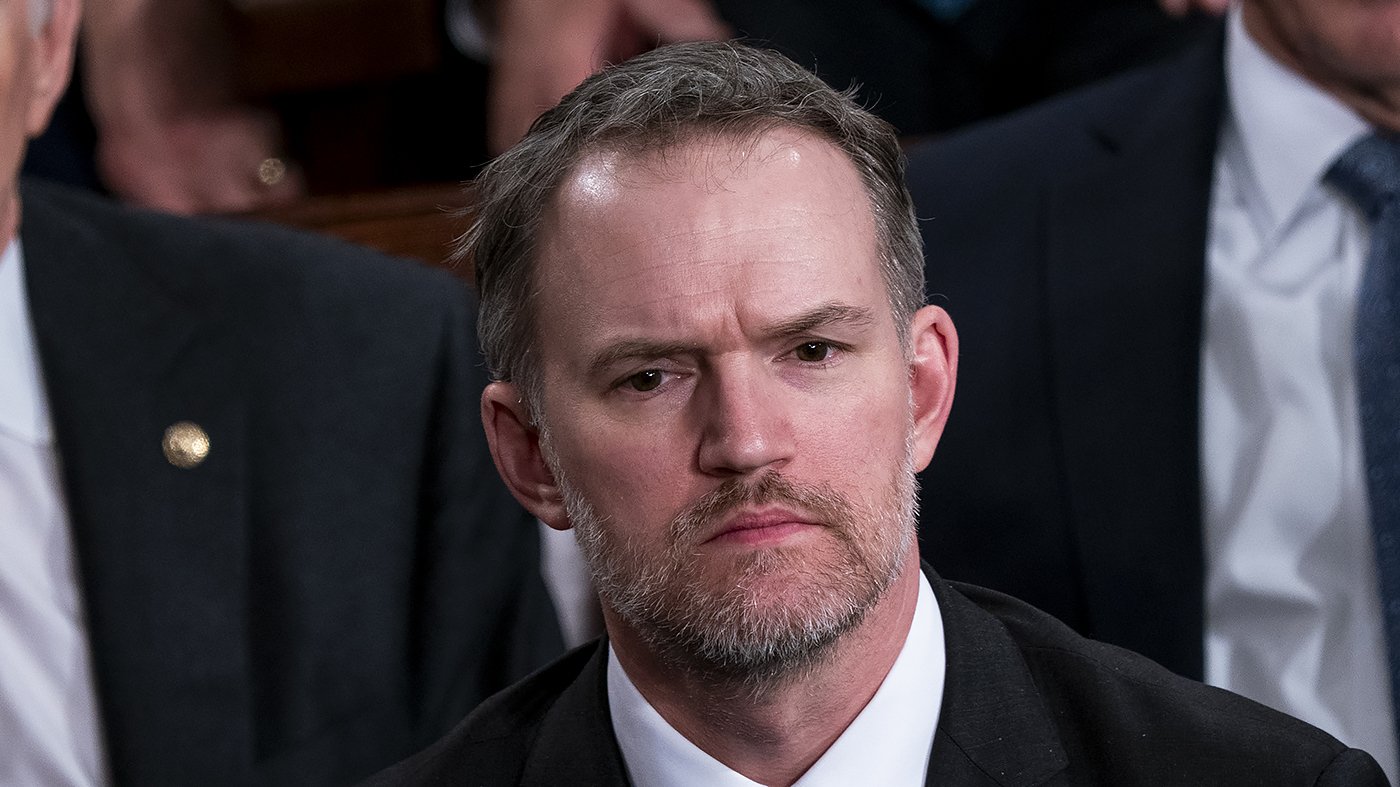
U.S. Trade Representative Jamieson Greer is set to appear before the House Ways and Means Committee on Wednesday to defend and detail the Trump administration's trade agenda. The hearing, scheduled for 10 a.m. EDT, arrives at a critical juncture for the president's economic policies, which have faced significant judicial and political headwinds.
Legal and Political Context
The testimony follows a major Supreme Court decision just over two months ago that invalidated the core of President Trump's sweeping global tariff program. In response to that legal defeat, the administration rolled out a new 10 percent across-the-board tariff on imports, a move that itself is now entangled in fresh legal challenges. This hearing will likely probe the legal rationale and economic justification for these continued protectionist measures.
Greer, the administration's chief trade negotiator and advocate, is expected to face sharp questioning from committee members on both sides of the aisle. Democrats will likely challenge the economic wisdom and legal standing of the tariffs, while some Republicans may express concerns about retaliatory measures from trading partners and impacts on domestic industries reliant on imported materials.
Budget Requests and 'America First' Agenda
Central to Greer's testimony will be the administration's fiscal 2027 budget request, which seeks a $10 million increase above the 2026 enacted level for trade-related investment. This funding is framed as essential to advancing the president's "America First" trade philosophy, which prioritizes bilateral deals and domestic manufacturing over multilateral agreements.
The request signals the administration's intent to double down on its trade strategy despite the legal setbacks. The funding is purportedly aimed at bolstering enforcement capabilities and negotiating resources, though critics argue it supports a policy framework that has contributed to declining economic confidence among voters.
Broader Political Landscape
This trade hearing unfolds against a complex political backdrop. The administration is simultaneously managing delicate foreign policy maneuvers with Iran, which have included ceasefire extensions and military posturing that affect global energy markets and trade routes. These international tensions create an additional layer of complexity for trade policy, influencing commodity prices and supply chain security.
Furthermore, the president's trade agenda exists within a fractured political coalition. While the "America First" platform remains a rallying cry for the base, the practical implementation of tariffs has created divisions among traditional Republican allies in the business community. This internal dynamic mirrors wider fissures within the MAGA movement on various policy fronts.
Greer's performance today will be scrutinized not just for policy substance but as a gauge of the administration's ability to coherently advance its agenda through official channels following a period of significant judicial pushback. The hearing represents a key moment for the administration to articulate a path forward for its trade vision after legal defeats.
The live coverage of the testimony provides a direct window into how a cornerstone Trump policy is being defended under pressure. The outcome of this congressional scrutiny could influence both the immediate legal battles over tariffs and the longer-term political viability of the president's economic platform as he seeks continued support for his agenda.