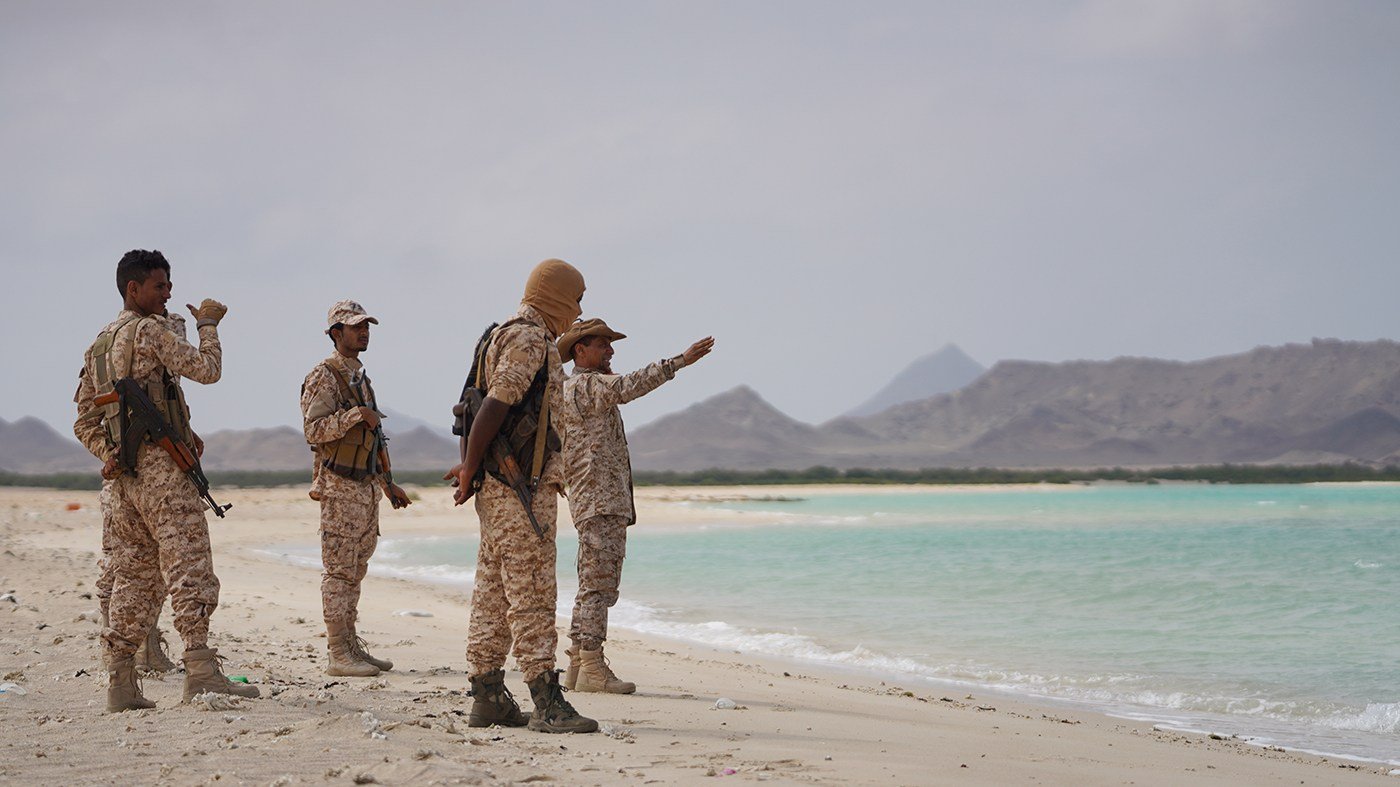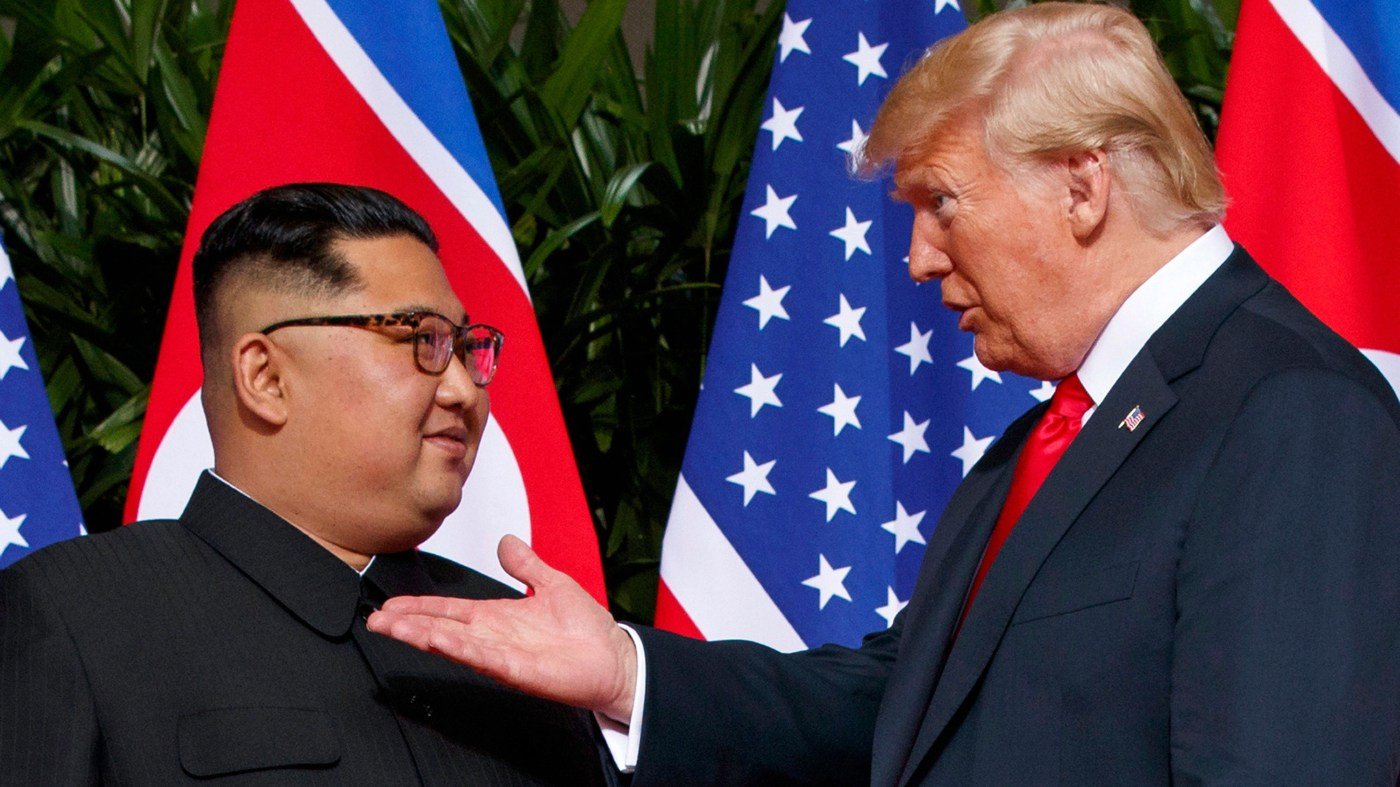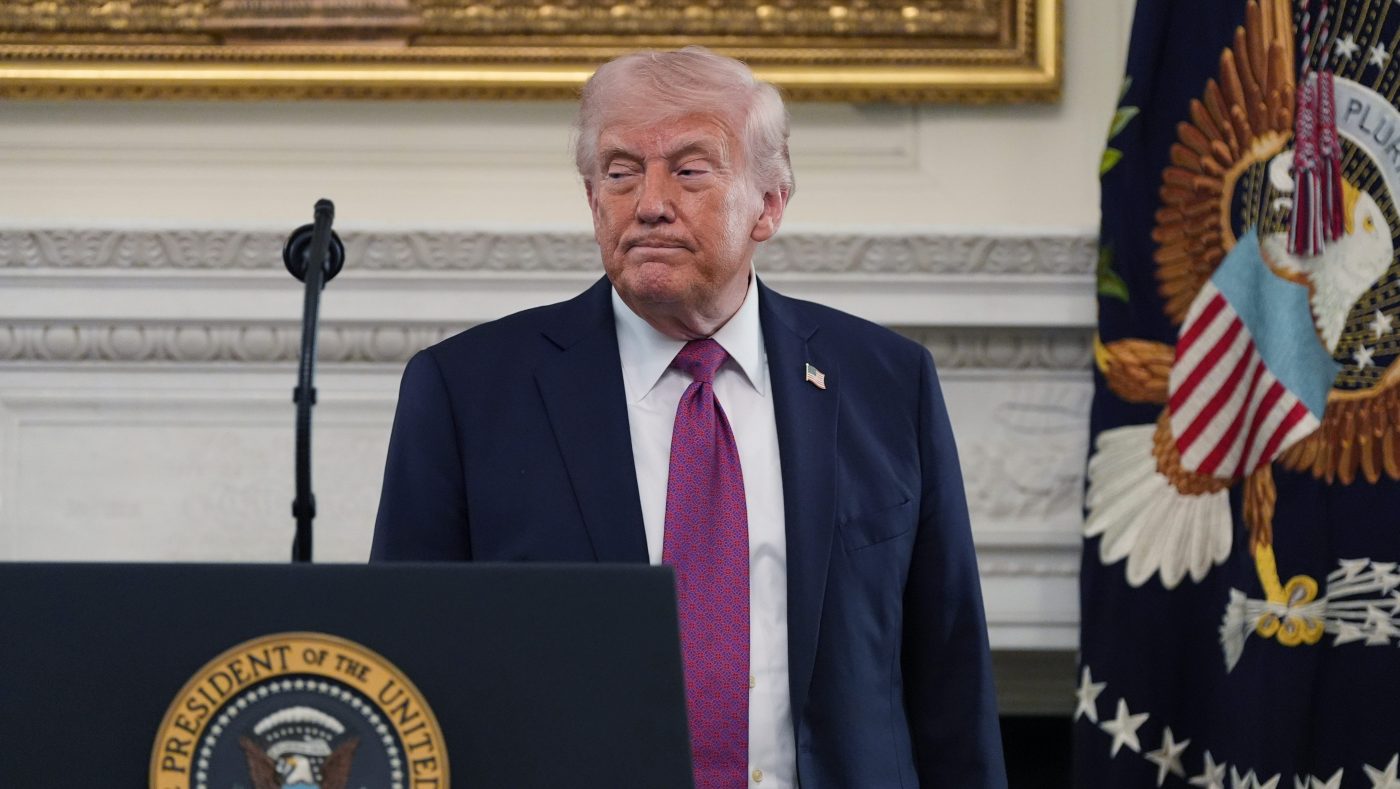
The diplomatic seesaw between Washington and Tehran took another sharp turn Tuesday, as President Trump agreed to prolong the ceasefire—but kept the U.S. naval blockade in the Strait of Hormuz firmly in place. Talks that were slated for Islamabad now hang in the balance, with both sides signaling reluctance to send top negotiators.
Trump justified the extension by claiming the Iranian government is “seriously fractured,” adding that the pause would last “until such time as their proposal is submitted.” The move came just as Vice President Vance’s travel to the Pakistani capital appeared uncertain, and Iranian officials publicly wavered on dispatching their own delegation. A foreign ministry spokesperson told state TV the hesitation wasn’t “indecisiveness” but a reaction to “unacceptable actions from the American counterpart,” according to the Associated Press.
Behind the tactical maneuvering lies a far larger question: Can the Trump administration realistically secure a nuclear accord that improves on the Joint Comprehensive Plan of Action (JCPOA) negotiated under President Obama more than a decade ago? Trump has been characteristically emphatic, posting on social media Monday that the deal he is crafting will be “FAR BETTER than the JCPOA,” which he derided as “one of the Worst Deals ever made.” He promised an agreement “that the entire World will be proud of.”
Foreign policy analysts, however, warn that the gap between rhetoric and reality is enormous. The original JCPOA took nearly two years of painstaking talks involving hundreds of experts on nuclear technology, sanctions, and international banking. Iran agreed to cap enrichment below 4% and slash its uranium stockpile by 98% in exchange for sanctions relief. That deal collapsed in 2018 when Trump withdrew the United States during his first term.
Now the starting point is far more dangerous. Iran has stockpiled uranium enriched to 60%—just a technical step from the 90% “weapons-grade” threshold. “It is very difficult to see how the Trump administration is going to be able to secure anything better than the JCPOA simply because we are starting from a place much further back,” said Allison McManus, managing director for national security and international policy at the Center for American Progress. She noted that the higher enrichment level brings Iran “so much closer to a break-out time” for a nuclear weapon.
Trump’s team points to Iran’s weakened position after weeks of U.S. and Israeli airstrikes, a desperate need for reconstruction funds, and revenues choked by sanctions and the naval blockade. They also note Tehran has signaled willingness to suspend its nuclear program entirely for five years—a deeper freeze than the JCPOA required. But skeptics counter that the Islamic Republic has weathered the attacks without appearing to lose its grip on power, and its ability to disrupt shipping in the Strait of Hormuz remains its strongest bargaining chip. The longer Iran exerts that leverage, the more pain the U.S. economy could feel, especially with midterm elections approaching.
Iranian Parliament Speaker Mohammad Bagher Qalibaf, who leads the Islamic Republic’s negotiating team, warned Monday that Trump is mistaken if he thinks the table is one of “surrender.” “We do not accept negotiations under the shadow of threats,” Qalibaf wrote on social media, adding that Iran has “prepared to reveal new cards on the battlefield.”
Some analysts suggest the administration might claim victory by securing concessions on issues outside the original JCPOA scope—such as Iran’s ballistic missile program or support for proxy groups. But any such deal would face intense scrutiny from allies and Congress. As the blockade and ceasefire coexist uneasily, the path to a “better” accord remains strewn with obstacles.