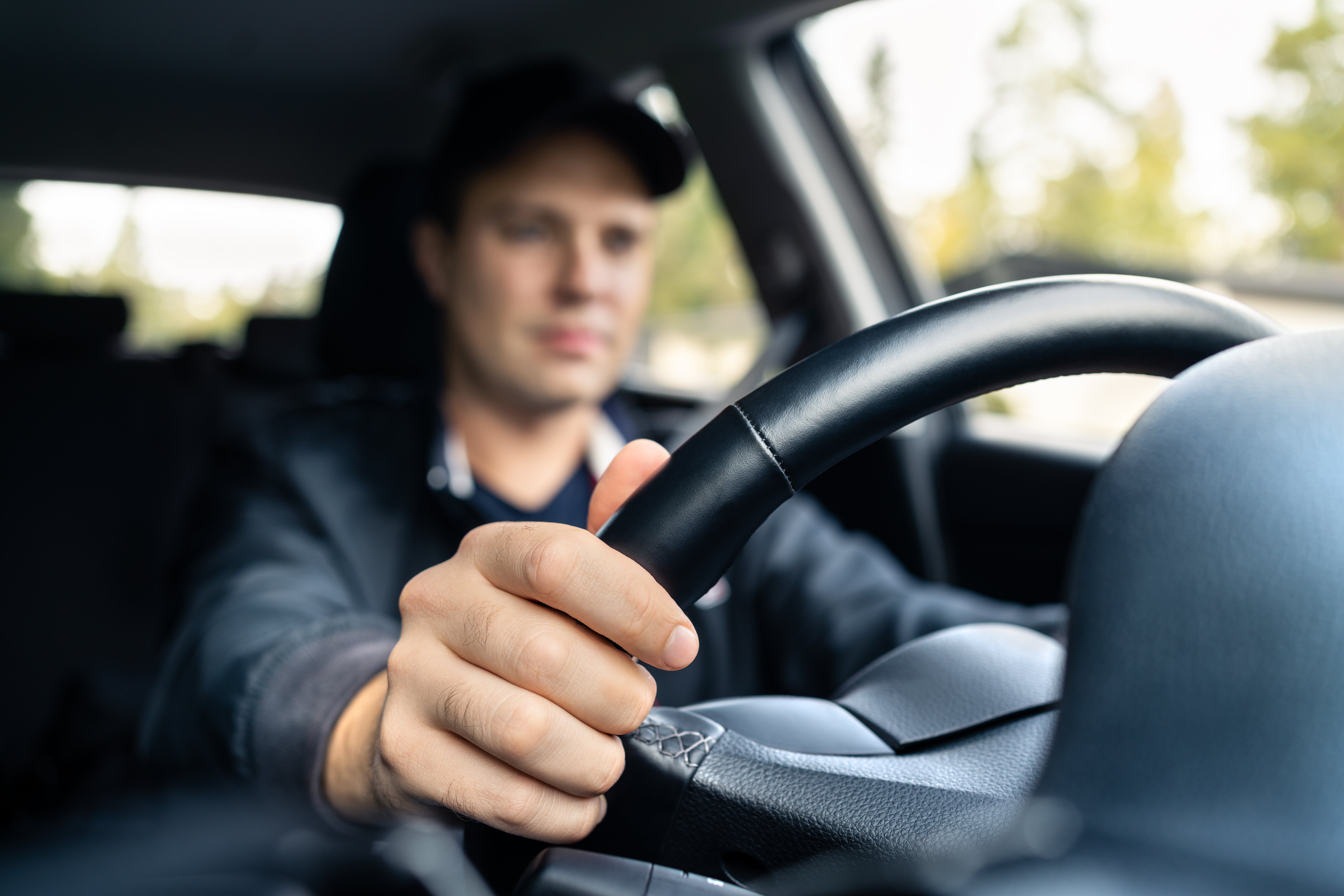
Every night, hundreds of thousands of rideshare drivers across the United States unlock their cars for passengers they cannot vet—a vulnerability that has turned deadly with alarming frequency. Despite collecting billions in fees, companies like Uber have resisted implementing basic safety measures, leaving drivers exposed to violent assaults that could have been prevented.
Nicole Moore, a veteran rideshare driver and president of Rideshare Drivers United, argues that the industry’s business model prioritizes convenience over driver safety. “We are told the work is flexible and the platform is safe,” she writes. “What we are not told is the extent to which the company has documented the dangers drivers face, and how it has elected, year after year, to absorb that knowledge without acting on it.”
A Pattern of Violence and Corporate Neglect
Emmanuel Kwame Gbedee Sr., a 57-year-old father of four from Durham, North Carolina, was shot and killed by a passenger during a routine Uber ride. His estate filed a wrongful death lawsuit in April 2026 against Uber and its subsidiary Rasier LLC, alleging the company knew about escalating risks to drivers but failed to act. In Monroeville, Pennsylvania, Christina Spicuzza, a 38-year-old mother of four, was kidnapped and murdered after a passenger held a gun to her head. Dashcam footage captured her pleading for her life. In Albuquerque, New Mexico, an 18-year-old used his girlfriend’s account to order an Uber with the explicit intent of shooting the driver, telling police he did it to “let off some steam.” He selected Joseph Andrus from a list of available drivers.
These cases, Moore notes, share a common thread: rideshare platforms grant riders anonymous, unscreened access to drivers who have no meaningful recourse when something goes wrong. Uber has developed algorithmic tools capable of identifying high-risk rides before they are dispatched, but has chosen to withhold that information from drivers.
Financial Incentives Over Safety
From 2014 to 2016, Uber collected a designated “Safe Rides Fee” from passengers with no regulatory obligation to account for how the funds were used. A $28.5 million class action settlement forced a name change to “Booking Fee,” but the practice continued. The company exercises near-total control over drivers—setting fares, assigning riders, and disciplining those who decline trips—while disclaiming responsibility for their safety. This dynamic has drawn comparisons to other regulatory battles, such as the NHTSA’s delays on side underride guards, where proven safety measures are stalled despite clear benefits.
State Action and Federal Gaps
Some states have begun to act. But Moore warns that patchwork legislation will not suffice. “Congress must act,” she writes. “Enforceable federal safety standards for rideshare companies—including rider identity verification, passenger background screening, and mandatory disclosure of algorithmically flagged high-risk rides—would protect the millions of drivers who keep these platforms running every single day across every state in this country.” The call for federal action echoes broader debates about gig worker protections, as seen in the Senate’s recent immigration budget battle and the veterans-led push for bipartisanship.
Gbedee’s family is asking that his death produce something beyond their grief. Every night, drivers across this country unlock their doors for strangers and accept the vulnerability that comes with that act as the cost of doing the work. We are owed more than a platform’s assurance that safety is a priority. We are owed accountability when that assurance is hollow, and we are owed a Congress willing to demand it.