In an era of deepening political divides, a group founded by a Marine veteran is working to inject bipartisanship into Congress by electing former service members from both parties. With Honor, launched by Rye Barcott, has helped place dozens of veterans in the House and Senate since 2018, all committed to cross-party cooperation through the For Country Caucus.
The caucus, co-chaired by Rep. Jake Ellzey (R-Texas) and Rep. Don Davis (D-N.C.), now includes nearly 40 veterans in Congress. Its rules require members to meet with at least one lawmaker from the opposing party each month—a stark contrast to the partisan and identity-based caucuses that dominate Capitol Hill. The caucus’s mission explicitly states it was created to address the divisive polarization tearing the country apart.

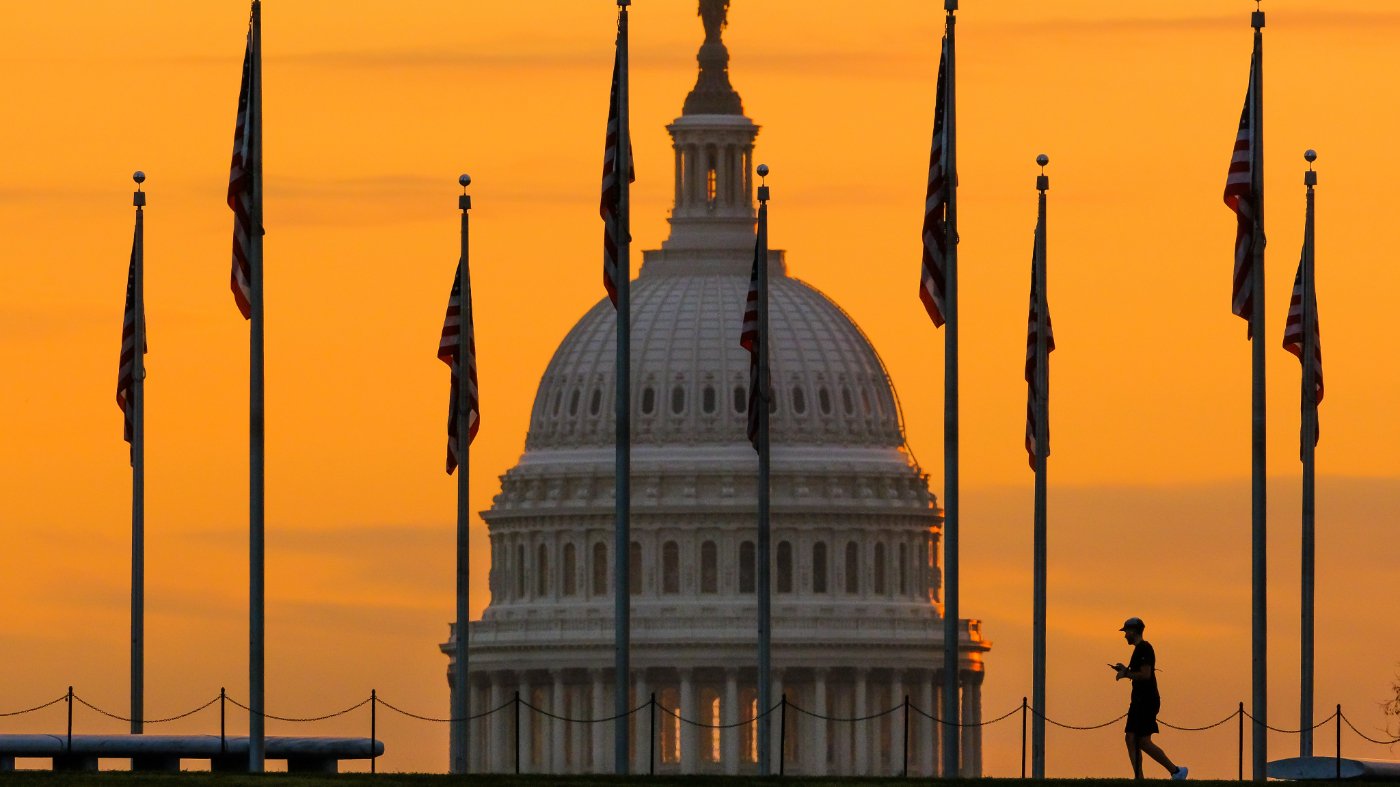
With Honor functions as a counterweight to super PACs that often serve narrow interests. Instead, it backs veteran candidates who pledge to prioritize the common good over party loyalty. In 2024 alone, the group spent over $15 million supporting such candidates. The effort comes as public trust in Congress remains low—just 32% of Americans express a great deal or fair amount of confidence in the institution, according to Gallup—and as political violence rises.
Barcott, a Marine who served in Iraq, Bosnia, and the Horn of Africa, argues that veterans bring a crucial perspective: a recognition that shared national identity outweighs partisan differences. This view is increasingly rare in politics, where polarization often trumps unity. The decline of veteran representation in Congress—from 70% in the 1970s to just 23% today—underscores the urgency of his mission.
Barcott is also publishing a book on political courage, profiling 10 Americans who have served in elected office. The project echoes John F. Kennedy’s “Profiles in Courage,” written before his presidency. Kennedy, a decorated war hero for his actions on PT-109, exemplified the service ethos Barcott seeks to revive.
Unlike many political figures, Barcott has not sought office himself, instead focusing on elevating others. His approach has earned praise from across the aisle, with supporters noting his modesty and commitment to public good. As political polarization deepens, organizations like With Honor offer a model for rebuilding trust and cooperation in Washington.
For context on broader political dynamics, the erosion of trust in institutions has been exacerbated by partisan battles over issues like racial policies and shifting international alliances. Meanwhile, the focus on veteran candidates reflects a growing interest in outcomes-based approaches to governance, similar to workforce training reforms.