The uneasy calm in the Persian Gulf, marked by a fragile ceasefire with Iran, masks a deeper crisis for Israel—one that no military victory can fix. While Israeli forces emerged intact from a dangerous chapter, public opinion in the United States has shifted dramatically, threatening the bipartisan support that has underpinned the alliance for decades.
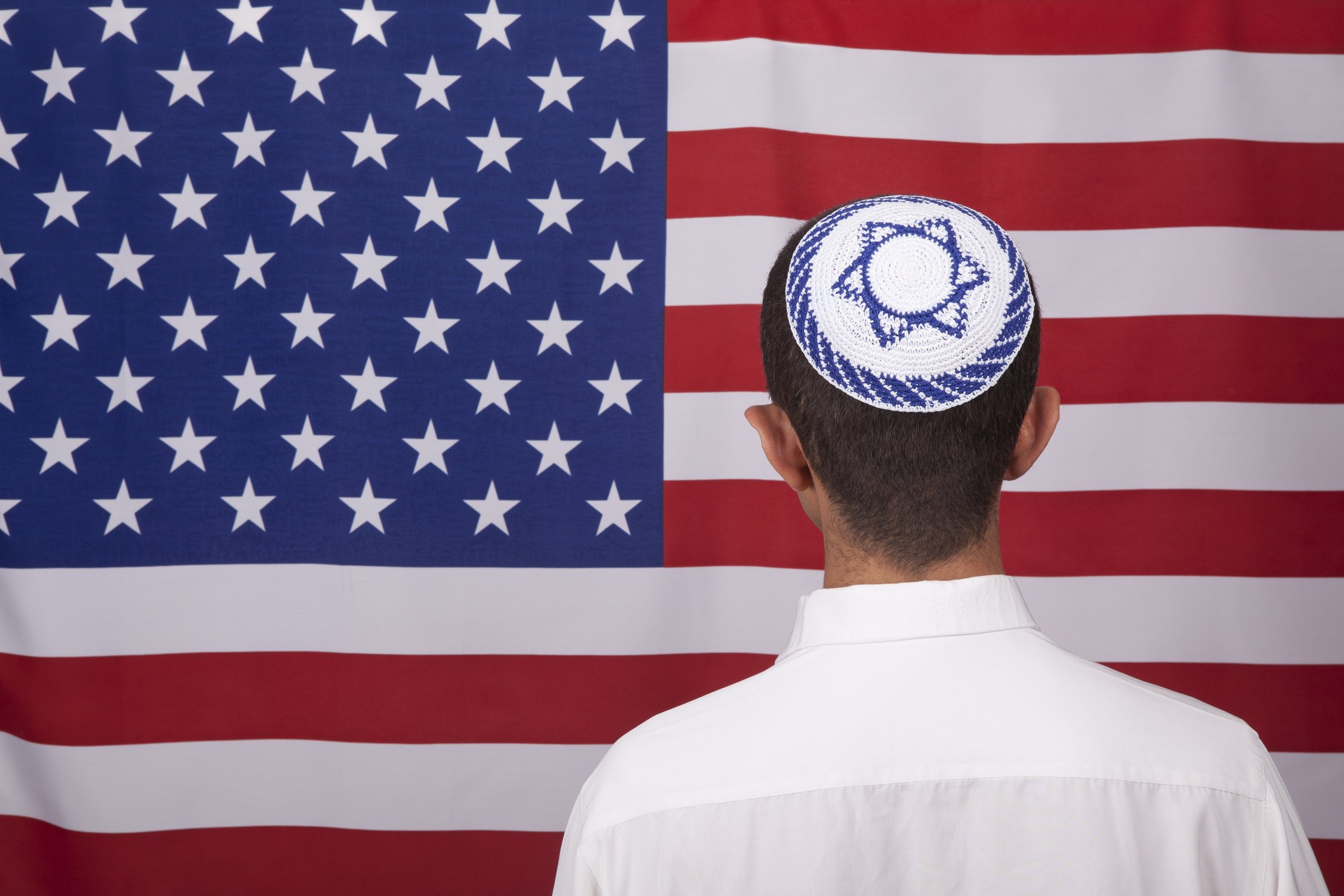
A Pew Research Center survey from April 2026 found that nearly six in ten Americans now hold an unfavorable view of Israel. Those with a "very unfavorable" opinion have nearly tripled since 2022, reaching 28 percent. Among Democrats and Democratic-leaning independents, unfavorable views have soared to 80 percent. Even among Republicans under 50, a majority now sees Israel negatively.
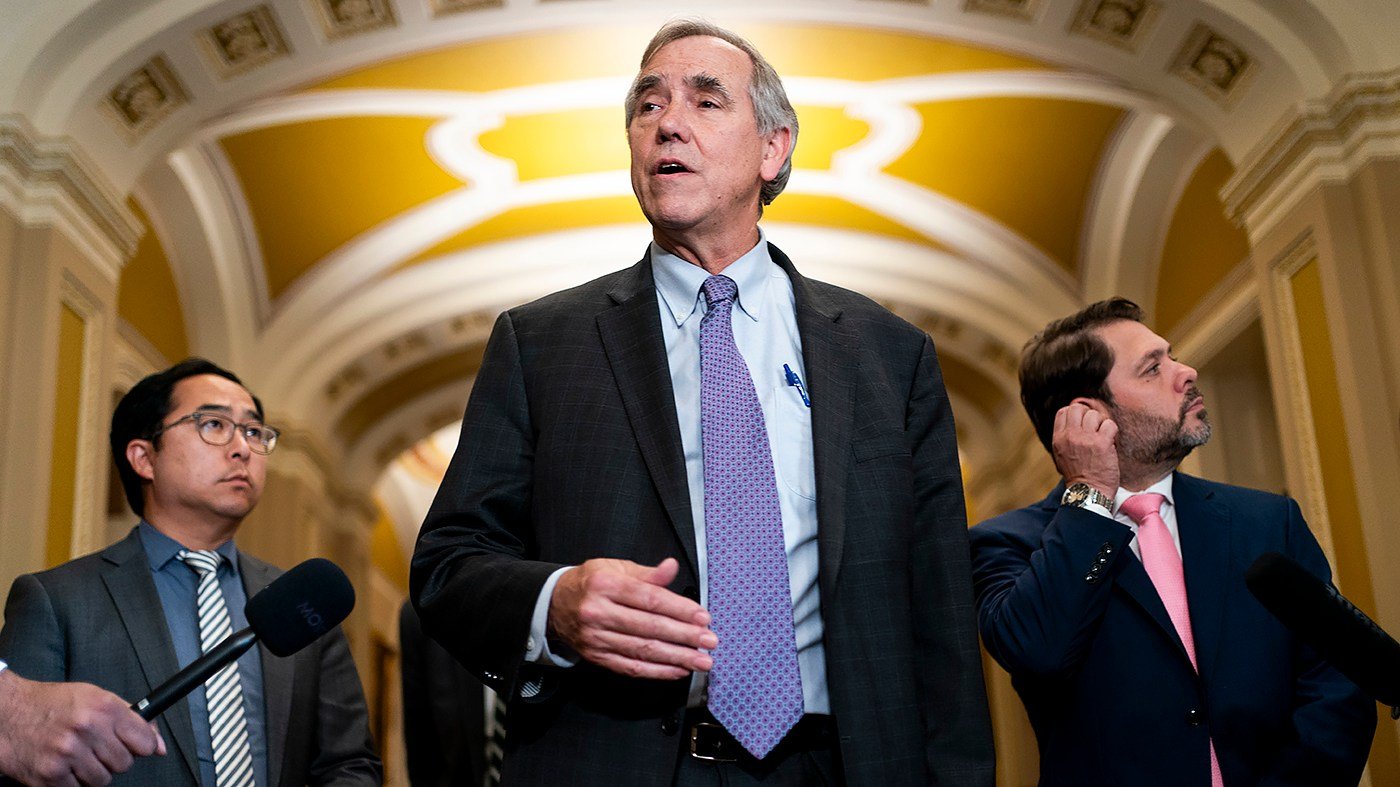
These numbers are not fleeting campus protests or partisan talking points. They represent a documented, accelerating erosion that researchers at Tel Aviv's Institute for National Security Studies describe as spreading across generations, party lines, and even among evangelical Christians—a group long considered a reliable pro-Israel constituency. As Senator Chris Van Hollen has argued, the Democratic Party's approach to Israel has failed to stem this tide, and calls for conditioning arms aid reflect a growing divide.
The decline predates the Iran war. Last fall, Gallup tracking showed American sympathy for Israelis dipping below 50 percent for the first time in nearly a quarter-century, driven by Democrats and independents but with notable movement among younger Americans across the political spectrum. The war itself has only deepened the chasm.
Gaza remains a compounding factor. With global attention fixed on Iran, the humanitarian crisis in Gaza—where Israeli forces now control 64 percent of the territory—continues to shape American perceptions. Civilian suffering, contested narratives, and images of destruction weigh heavily, even as Israeli officials defend their military calculus. Allegations of prisoner mistreatment, which Israeli leaders denounce as false, have fueled a hostile media environment where context often gives way to sensationalism and, at times, antisemitism.
Israelis themselves are not blind to the problem. A recent survey found 72 percent of Israelis worried about their country's diminished standing in American public opinion. For years, security concerns took priority over reputation, but as the data shows, military success alone cannot restore lost goodwill.
Israel's advocates in the U.S. have largely relied on the same voices and channels, reaching the same audiences. That approach, once adequate, now falls short as skepticism crosses generational, partisan, religious, and cultural lines. Israel needs not just more defenders but credible witnesses—civic leaders, business figures, clergy, veterans, educators, and independent thinkers who can explain why the alliance matters beyond foreign policy circles.
The bond between the U.S. and Israel is rooted in shared values and history, but as state and local leaders grapple with the war's economic fallout, the relationship's foundation is narrowing. If support becomes confined to older voters, partisan reflexes, and familiar advocacy groups, the covenant that has defined this alliance will continue to weaken just as the world grows more complex.
This is not a public relations problem but a civic and strategic challenge. Neither Americans nor Israelis should let polls dictate policy, but ignoring the trend is equally dangerous. The U.S.-Israel relationship remains one of the most consequential in history, and its slow depletion should trouble leaders in both countries.