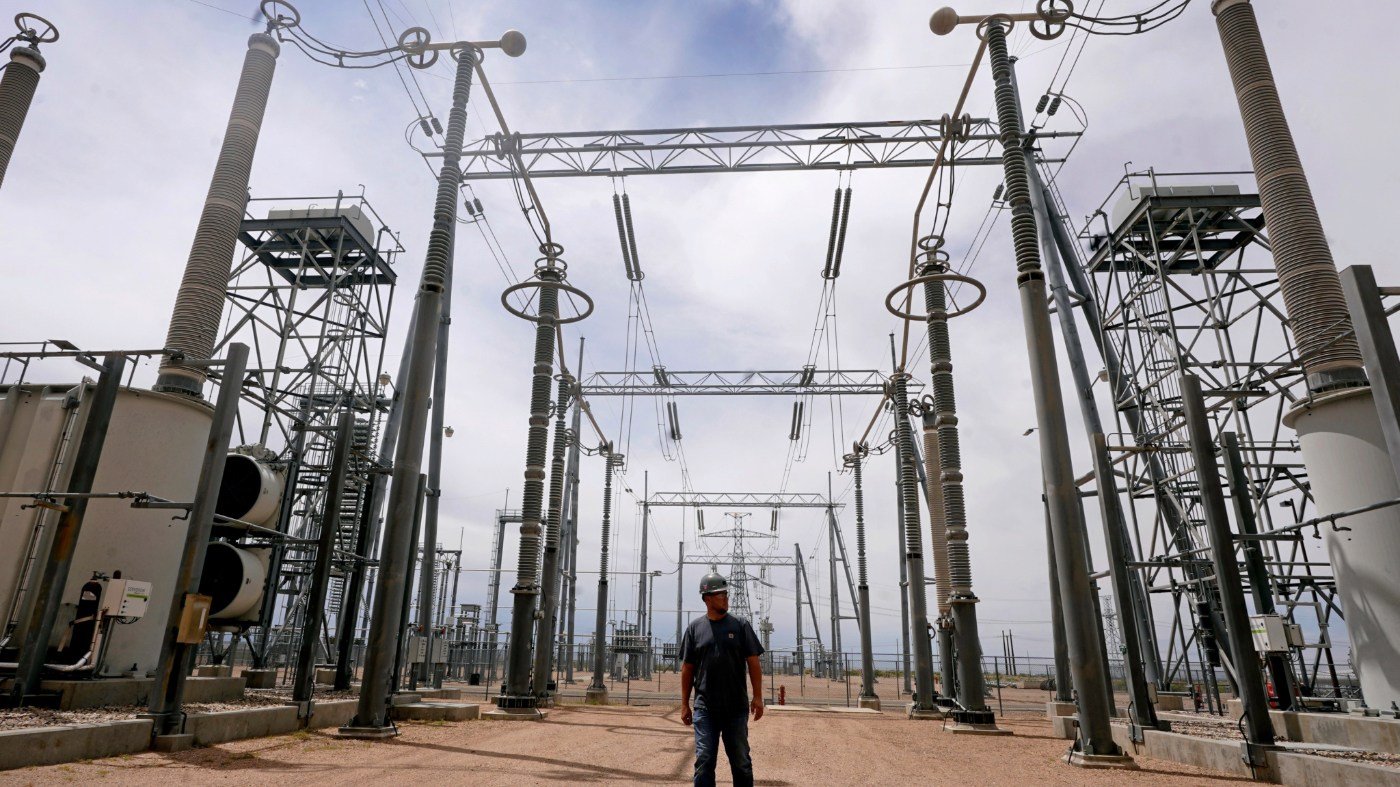
Nearly three months into the conflict with Iran, the global energy system is in upheaval that could trigger lasting structural change. Many world leaders now acknowledge that fossil fuel supplies are inherently insecure, and dependence on them exposes economies to damaging inflation risks.
When we rely on internationally traded commodities, chaos anywhere—whether a hurricane or armed conflicts in Ukraine, Venezuela, or the Middle East—can land on our doorstep. Amid this turmoil and a vacuum of federal leadership, state and local officials have an opening to protect their constituents from fossil fuel price shocks.
“Oil dependence is a national security liability because it amplifies the impact of a single regional conflict across the entire global economy,” climate investor Tenzin Seldon recently wrote in Fortune Magazine.
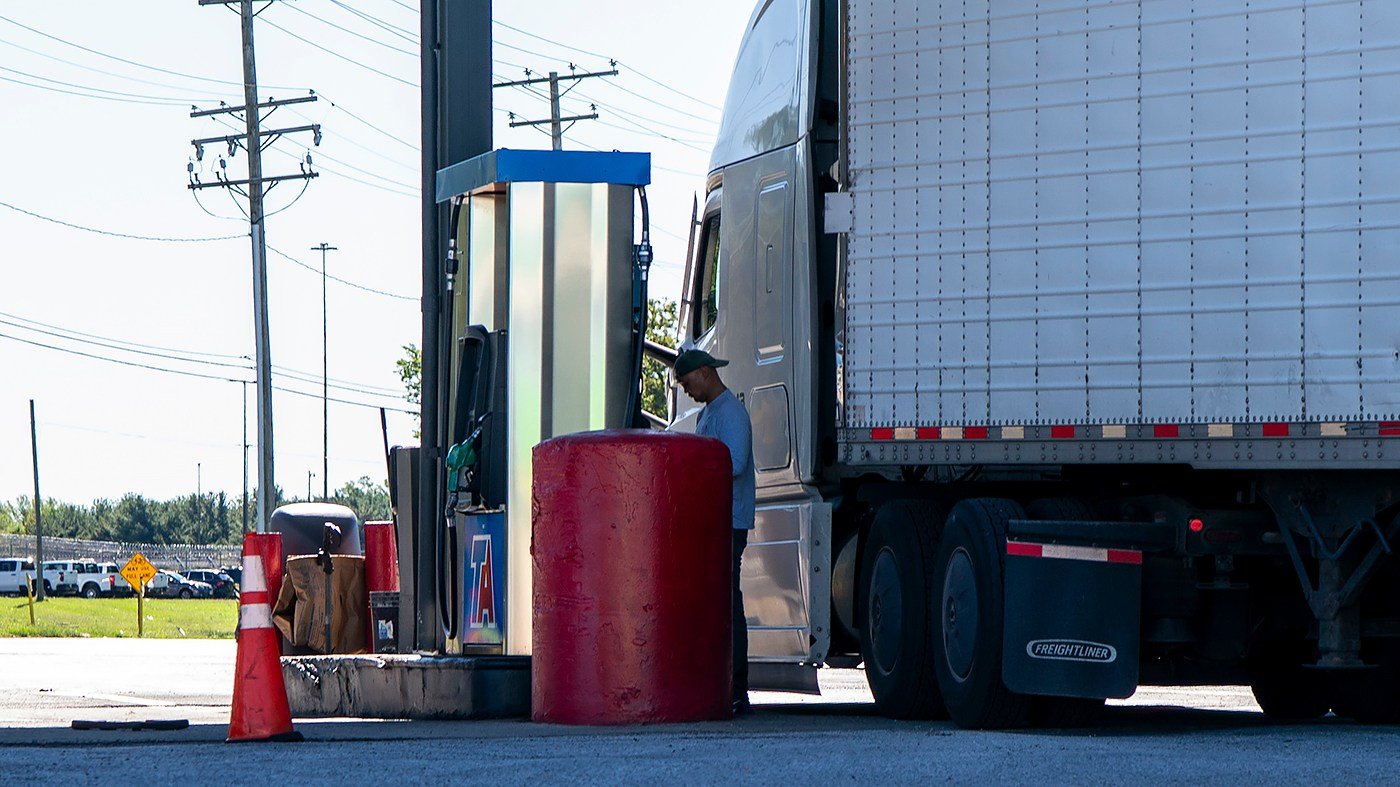
Asia and Europe are already hitting crisis points, with limited supplies spurring fuel rationing, remote work mandates, and other demand-dampening policies. In Australia, the conflict is causing a diesel shortage that threatens the continent’s trucking industry. While U.S. oil and gas production has averted a full-blown fuel crisis domestically, rising gas prices are still battering consumers. Transportation costs were already one of the four largest monthly household bills.
“Gasoline prices rose in every state over the last week, with some of the most significant and fastest increases concentrated in the Great Lakes, where states like Michigan, Indiana, Ohio, and Illinois saw sharp spikes,” Patrick De Haan, head of petroleum analysis at GasBuddy, said in a blog post. “At the same time, diesel prices surged to new records in parts of the region, with some areas touching the $6-per-gallon mark.” Nationwide, gas prices are nearing $4.50 per gallon, and in parts of California, they’re over $7. Americans have spent an extra $24 billion on gasoline since the war broke out.
But this energy crisis differs from those of the past: today we have affordable alternatives already in the marketplace. The rapidly falling costs of solar, batteries, and other clean technologies mean soaring fossil fuel prices don’t have to hold us prisoner. While the federal government has eliminated support for clean energy, that opens the door for state and local leaders to pick up the slack. In many respects, they have more power than their federal counterparts when it comes to the energy-affordability nexus. They decide how we generate most of our electricity, design our transportation infrastructure, and build housing.
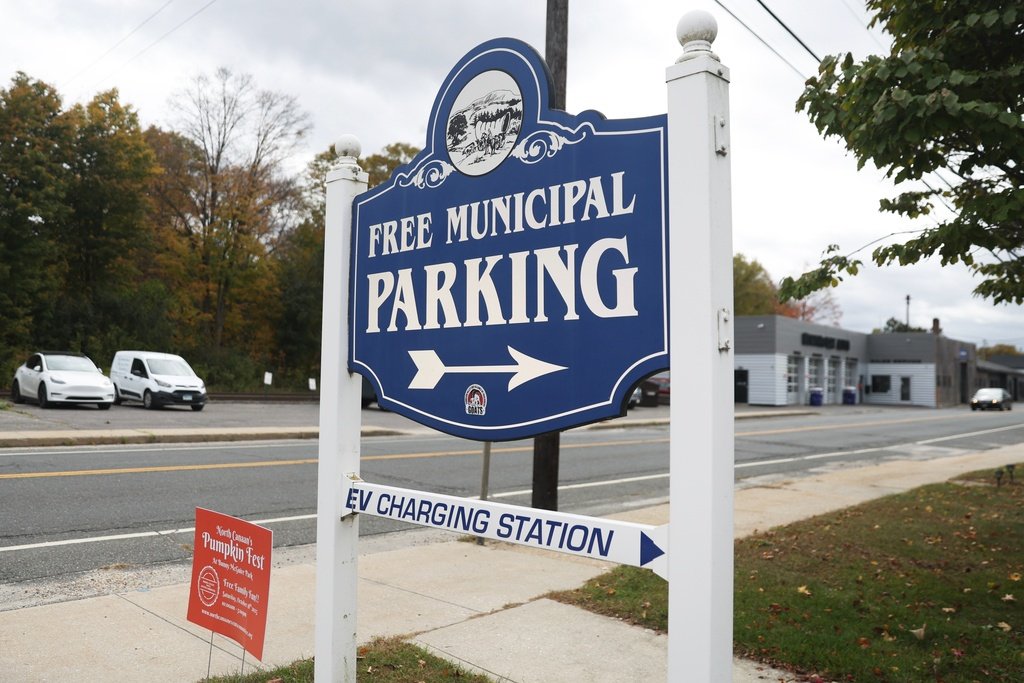
By making smart choices, state and local officials can shield their constituents from fossil fuel volatility. Continued support for growing the electric vehicle market share is critical for price stability. Sometimes the highest bang for the buck comes from overlooked solutions. Consider: about 25 percent of Philadelphians commute via SEPTA every weekday. Converting 25 percent of the city’s cars to EVs would have a similar impact on protecting households from high gas prices. People need transportation choices not beholden to volatile fuel prices. Together, EVs and public transit provide clear solutions.
Housing policy is another lever. With a nationwide housing shortage, almost every state is considering housing legislation. Choosing paths that create walkable, affordable neighborhoods close to work, school, and grocery stores directly lowers bills and pollution.
Some states are already showing strong leadership. Illinois dedicated $1.5 billion to zero-carbon transportation last year, while Virginia announced a $7 billion investment in its public transit system. In Southern California, multi-million dollar investments in electric truck charging infrastructure are reducing diesel dependence in shipping. Colorado expanded an incentive program to help low- and middle-income households switch to electric vehicles. But this is just the beginning.
The last two months should be a turning point for our energy system. They’ve shown it’s wishful thinking to assume fossil fuel supplies will ever be truly secure or stably priced. In the absence of federal leadership, state and local policymakers have a tremendous opportunity to build a future where Americans can get to work, school, or run errands without being burdened by events on the other side of the globe.
Caroline Spears is the executive director of Climate Cabinet Action.