Washington state voters will head to the polls in November to decide whether to scrap the recently enacted income tax on households earning more than $1 million annually, after a repeal measure secured enough signatures to qualify for the ballot.
A spokesperson for Secretary of State Steve Hobbs confirmed to the Seattle Times on Wednesday that Initiative 645, which aims to overturn the high-earner levy, met the threshold for placement on the Nov. 3 ballot. Supporters turned in over 500,000 signatures earlier this month, far exceeding the 308,911 required.
“The Secretary of State will transmit certification … to each county for placement on the next state general election ballot within a few weeks,” Stefanie Randolph, a spokesperson for Hobbs, said in a statement.
I-645 would repeal the 9.9 percent income tax on households earning above $1 million annually, signed into law earlier this year by Democratic Governor Bob Ferguson. The tax is set to take effect on income earned in 2028, with payments due in 2029, and was projected to generate over $3 billion per year for the state's operating budget, funding K-12 education and other public services.
The initiative's certification was widely expected. Randolph noted that a 3 percent sample of petition signatures showed sufficient valid signatures, meaning “further review is not required.”
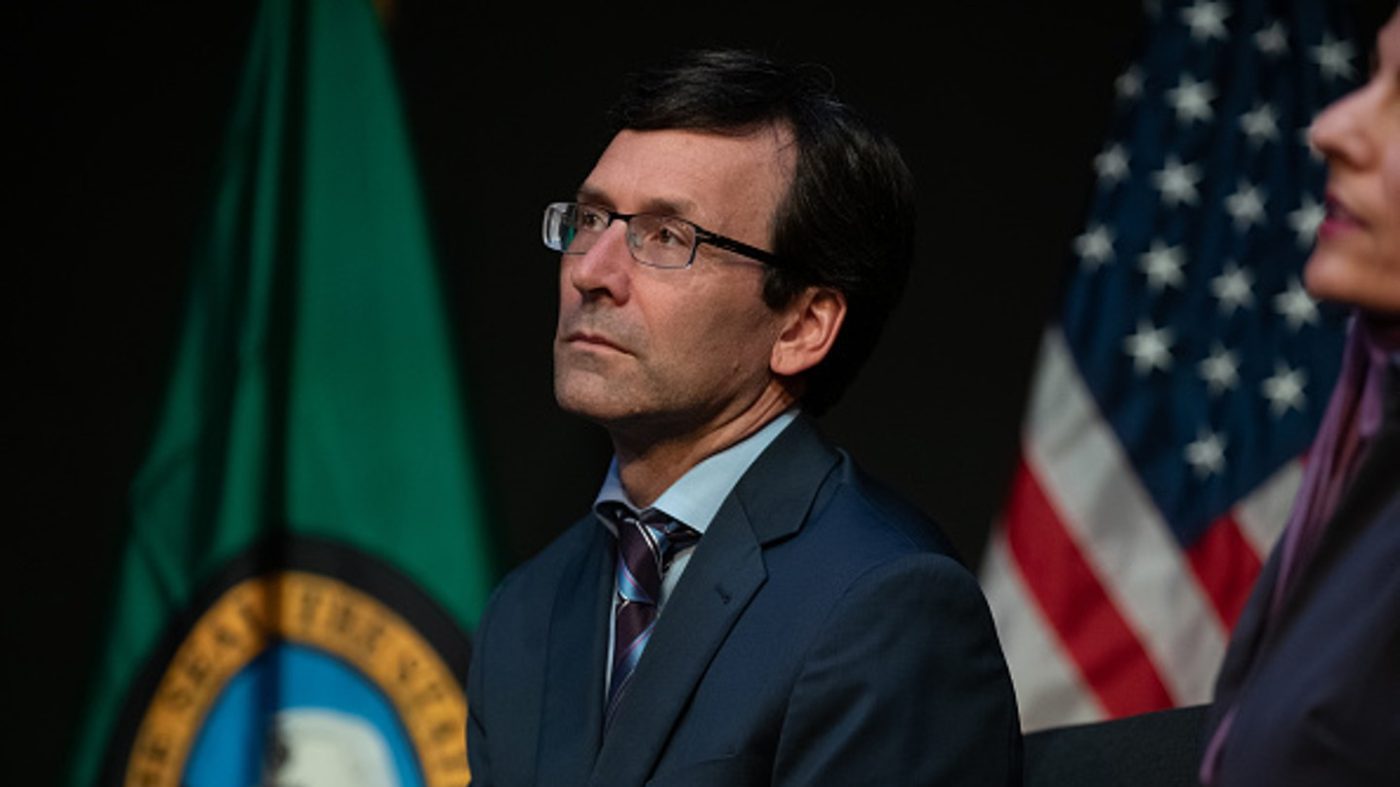
Governor Ferguson has already launched a campaign against the repeal, rallying organized labor and other tax supporters. The “No on 645” campaign argues the tax closes long-standing loopholes for the wealthy and provides crucial revenue for education and programs. Ferguson warned that repeal could force cuts to K-12 funding and other essential services.
Washington is home to several billionaires, including Microsoft co-founder Bill Gates, former Starbucks CEO Howard Schultz, and Amazon founder Jeff Bezos, who once resided in the state. The tax debate comes amid broader national discussions on wealth inequality and state fiscal policy.
This ballot initiative is one of several high-stakes political battles in Washington this year, as the state also grapples with federal policy shifts. In related news, the Trump administration fired a newly appointed Washington state prosecutor shortly after his swearing-in, highlighting ongoing tensions between state and federal authorities.
Meanwhile, a recent PJM auction revealed that data centers are driving $6.3 billion in new power costs across 13 states, a trend that could influence Washington's energy policy and economic planning.