When President Trump nominated Jay Clayton to lead the intelligence community, it initially seemed like a solid choice. Clayton, a former SEC chairman with bipartisan credentials, appeared well-suited to bring credibility to the nation's top intelligence post. But his performance at Wednesday's confirmation hearing has cast serious doubt on that assessment.
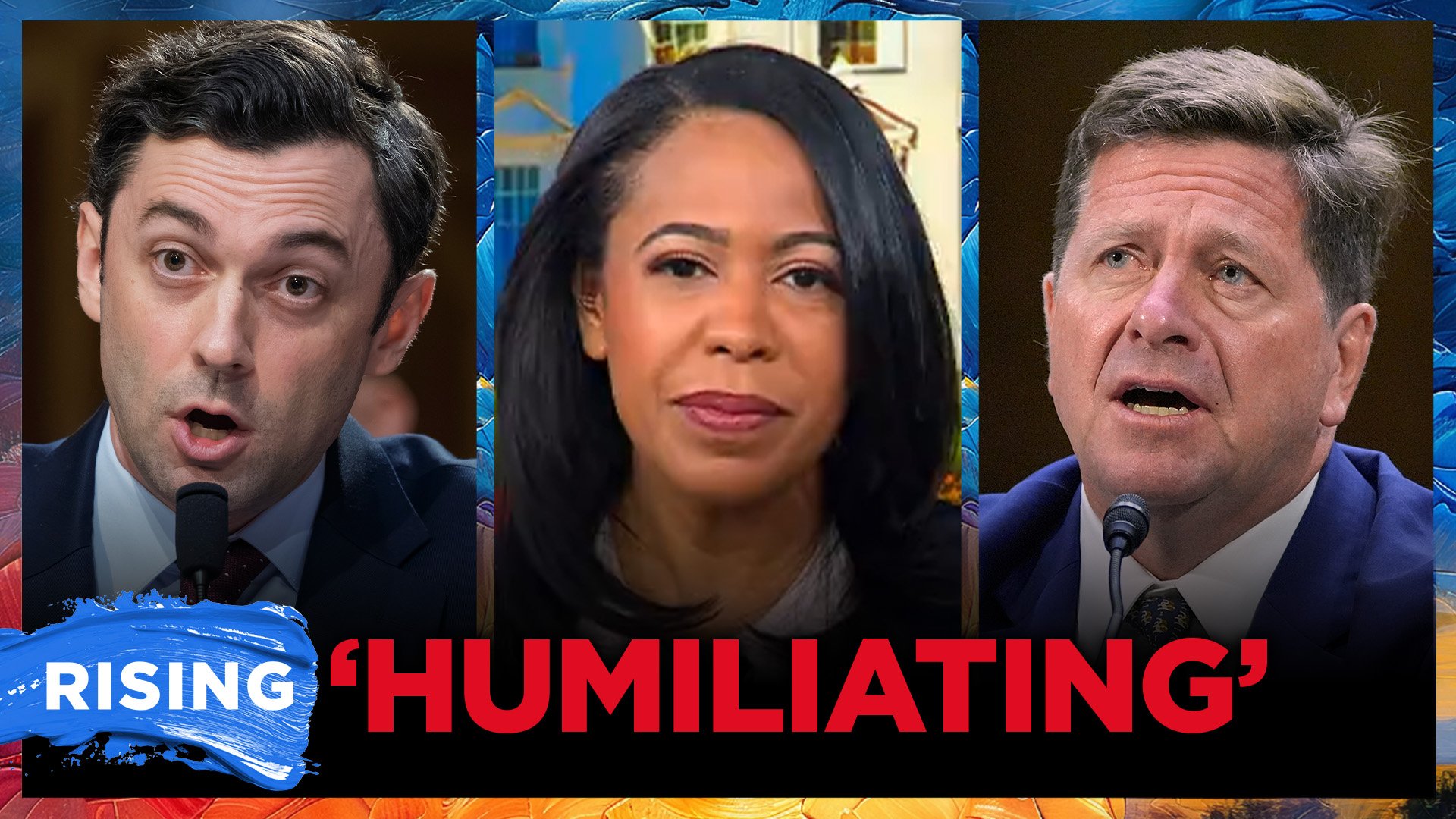
Sen. Jon Ossoff (D-GA) pressed Clayton on a simple factual question: Who won the 2020 presidential election? Clayton refused to answer, a moment that Ossoff described as “humiliating” and indicative of a candidate unwilling to confront basic reality. The exchange, detailed in Ossoff's grilling of Trump's intel pick, highlighted a fundamental concern about Clayton's fitness for the role.
Clayton's reluctance to acknowledge Joe Biden's victory is particularly troubling given the stakes. The Director of National Intelligence oversees 18 agencies, manages the nation's most sensitive secrets, and advises the president on matters of war and national security. As Ossoff noted, acknowledging established facts should not be optional for someone in that position.
This isn't Clayton's first brush with election denial. A month ago, he appeared on national television and suggested that delayed vote counts in California's primary could indicate fraud, despite no evidence supporting that claim. Such rhetoric from a potential intelligence chief has alarmed many, especially when the intelligence community's core mission is to separate fact from fiction.
Sen. Mark Kelly (D-AZ) also raised a pointed question: If Clayton won't disagree with Trump when the president isn't in the room, what happens when they're face-to-face in the Oval Office? That question goes to the heart of the DNI's role—to tell the president the truth, even when it's uncomfortable. The entire intelligence community depends on that principle, whether the truth concerns Russia, China, Iran, or a terror threat.
The facts of the 2020 election are clear: Biden won the Electoral College 306 to 232 and the popular vote by over 7 million. Every state certified its results, more than 60 legal challenges failed, and Trump's own Justice Department found no evidence of widespread fraud. Yet Clayton's refusal to acknowledge these facts suggests a willingness to prioritize political narratives over reality.
Despite the controversy, Clayton is expected to be confirmed given Republican control of the Senate. But the hearing has exposed a deeper issue: what standard should Americans expect from someone entrusted with the nation's most sensitive intelligence? As Democrats highlighted, the role demands a commitment to truth that Clayton has so far failed to demonstrate.
For more on the political dynamics, see how Ossoff is stockpiling funds for a tough re-election battle in Georgia. Meanwhile, the broader fight over intelligence oversight continues, with Democrats grilling Clayton over both election denial and FISA stalemate.