Texas Attorney General Ken Paxton announced an investigation into Celsius Holdings Inc., the parent company of the Alani energy drink brand, following the death of a 17-year-old girl whose family alleges her enlarged heart was caused by excessive caffeine consumption. The probe focuses on whether the company's products contain dangerous levels of caffeine that pose risks to minors.
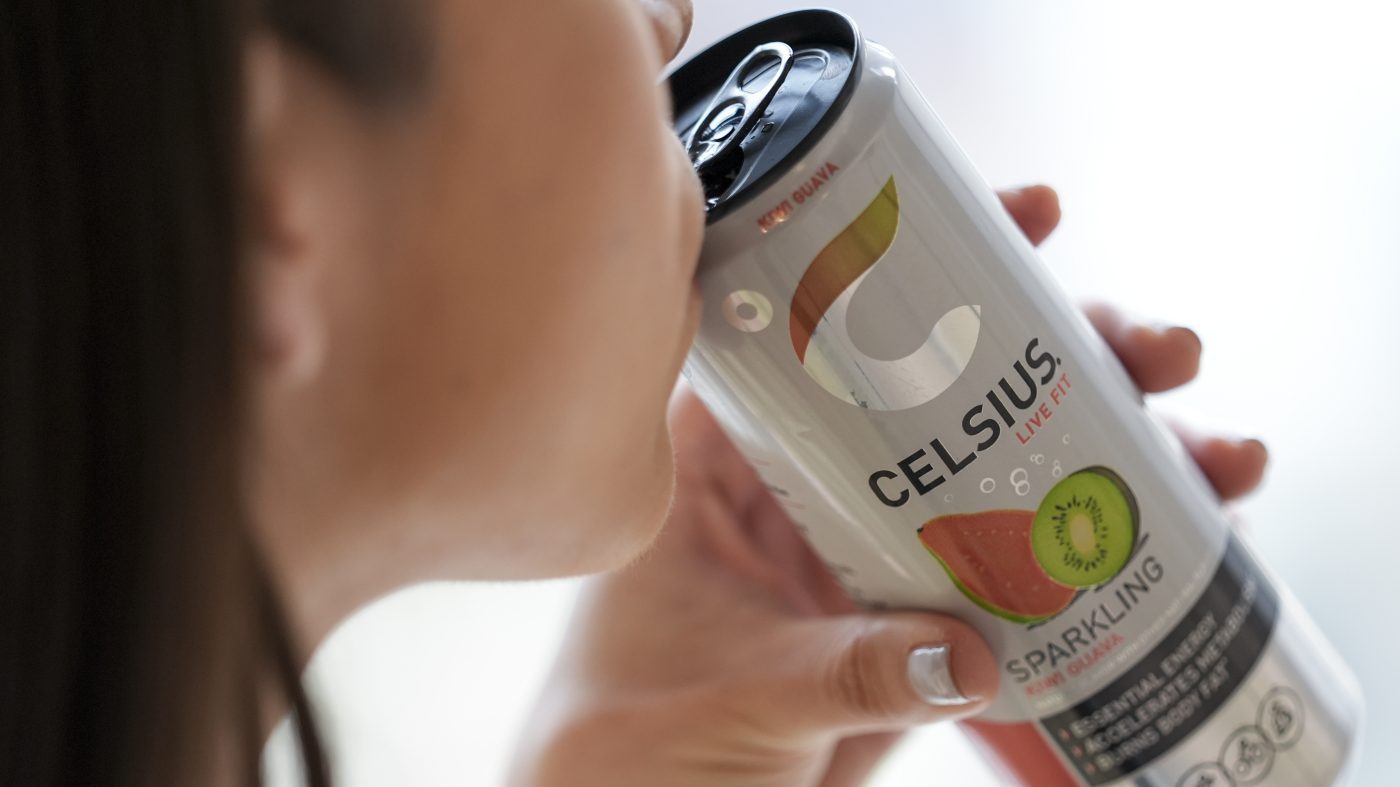
Alani, known for its colorful and playful packaging designed to appeal to younger consumers, contains 200 milligrams of caffeine per 12-ounce can. According to Paxton, that level is considered hazardous for children. The National Institutes of Health warns that energy drink consumption in minors can lead to elevated heart rate, heart palpitations, high blood pressure, anxiety, and dehydration.

The lawsuit filed by the teenager's family specifically targets Alani's failure to include adequate warning labels on its cans about these potential health risks. The family's legal action underscores a broader concern about the marketing of highly caffeinated beverages to youth without proper disclosure of side effects.
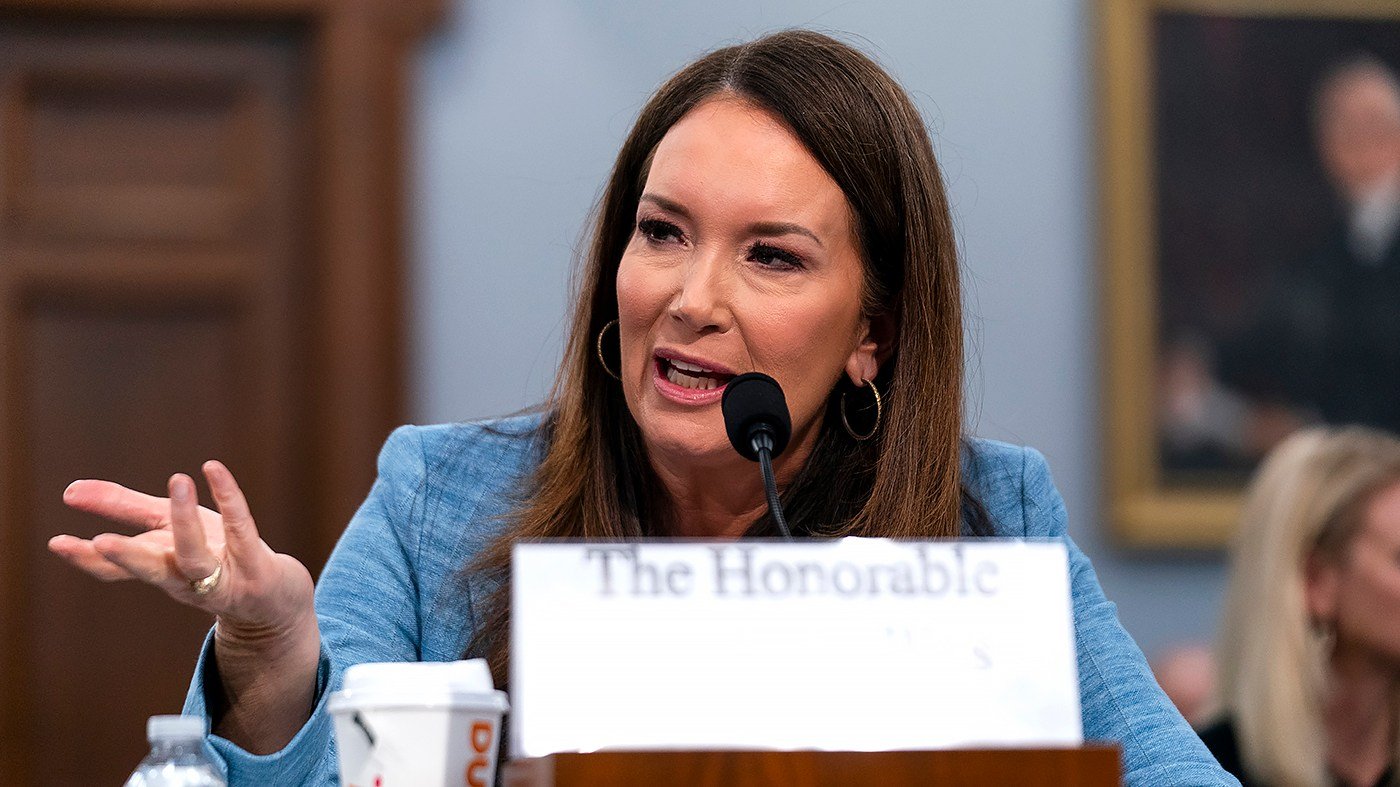
“Texas families deserve to know that the products marketed to their children are safe and not filled with dangerous levels of certain ingredients,” Paxton said in a statement. “The tragic death of a 17-year-old Texas girl allegedly caused by consuming a highly caffeinated energy drink is a sobering reminder of what is at stake when companies prioritize profit over the safety and wellbeing of our children.”
He added, “I am looking into Celsius and Alani Nu to prevent more cases like this one and to ensure Texans are made aware of the any risks that come with consuming certain energy drink products.”
The investigation comes amid growing scrutiny of energy drink marketing practices, particularly those targeting teenagers. Paxton's office has not yet released specifics on the scope of the probe, but it could involve reviewing labeling practices, advertising claims, and internal company documents related to product safety.
Celsius Holdings has not publicly responded to the investigation or the lawsuit. The company's stock saw modest declines following the news, though analysts note that regulatory actions in Texas could set a precedent for other states considering similar measures.
This case adds to a series of high-profile regulatory actions in Texas, including recent USDA responses to public health threats and political clashes over state oversight. It also highlights ongoing debates about consumer safety versus corporate interests, a theme that has resonated in other state-level investigations.
Health advocates are urging parents to monitor their children's caffeine intake and to be aware that energy drinks often contain levels far exceeding those in soda or coffee. The American Academy of Pediatrics recommends that adolescents consume no more than 100 milligrams of caffeine per day, half the amount in a single can of Alani.