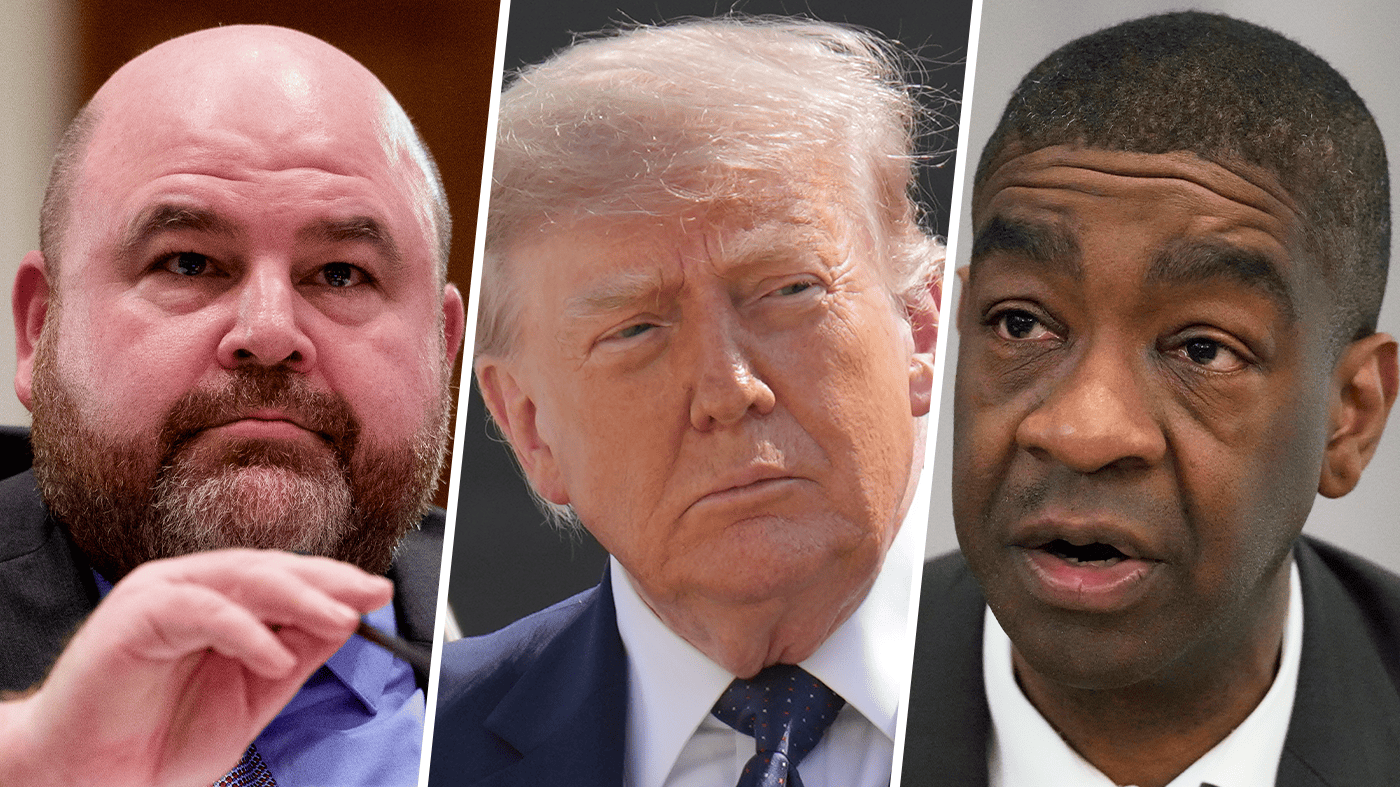
Senate Minority Leader Chuck Schumer called it “a brazen attempt to seize control of our elections.” Virginia Senator Mark Warner warned of “political interference.” And California Senator Alex Padilla, alongside New York Congressman Joe Morelle, denounced a “blatant” effort to politicize the vote. These were the reactions from top Democrats after President Trump removed two Democratic commissioners and accepted the resignation of the sole Republican commissioner from the Election Assistance Commission (EAC).
The outrage might play well on cable news or in fundraising appeals, but it fundamentally misrepresents how American elections actually work. The EAC is not a national election board. It does not conduct elections, tally ballots, certify winners, or oversee state and local election officials. Those powers remain—as they have since the founding—with state and local authorities.

Created by the Help America Vote Act in 2002, in the wake of the contested 2000 presidential election, the EAC has a narrowly defined role: distributing federal grants, certifying voting systems under voluntary guidelines, conducting research, and serving as a clearinghouse for best practices. These are useful, but Congress deliberately stopped short of giving the agency any authority to dictate election policy to states or counties.
That decentralization is a defining feature of American democracy. Elections are administered across thousands of jurisdictions, almost entirely under state law. Local officials—county clerks, election boards, and secretaries of state—recruit poll workers, print ballots, run polling places, count votes, and certify results. Governors, state legislatures, and state courts all play significant roles. The EAC, at most, provides support.
This structural reality is why claims that Trump has “seized control” of elections by removing commissioners are misleading. The Supreme Court has affirmed the president’s authority to fire officials at supposedly independent agencies. Whether one agrees with that decision or not, it should come as no surprise that a president would use a power the courts have confirmed.
What is striking is the degree of alarmism. Democrats have a pattern of portraying routine administrative decisions as existential threats to democracy. Differences over election policy are labeled “voter suppression” or a “constitutional crisis.” This rhetoric may energize activists and generate online donations, but it also fosters public misunderstanding. A recent generic ballot poll shows Democrats with a narrow three-point lead—but such messaging risks eroding trust by suggesting Washington controls every aspect of elections.
The reality is that countless state and local officials of both parties will continue to administer elections as they have for over two centuries—most of that time without the EAC existing at all. By framing the dismissal of commissioners as an assault on democracy, Democratic leaders have reinforced a false narrative: that the fate of American elections hinges on a small federal agency that doesn’t even run them.
At a moment when public confidence in elections is fragile and legitimate questions about security dominate the discourse, overheated rhetoric weakens rather than strengthens democratic institutions. Senator Warner himself has criticized Trump for not being serious about election security, but the current outcry risks conflating genuine concerns with political theater.
The EAC’s role is advisory, not controlling. The true safeguards of election integrity remain in the hands of state and local officials, not a Washington commission. Trump has avoided penalties on China despite election interference claims, but the EAC moves themselves are a personnel decision, not a coup. Voters deserve a clearer picture of how their elections are actually run.