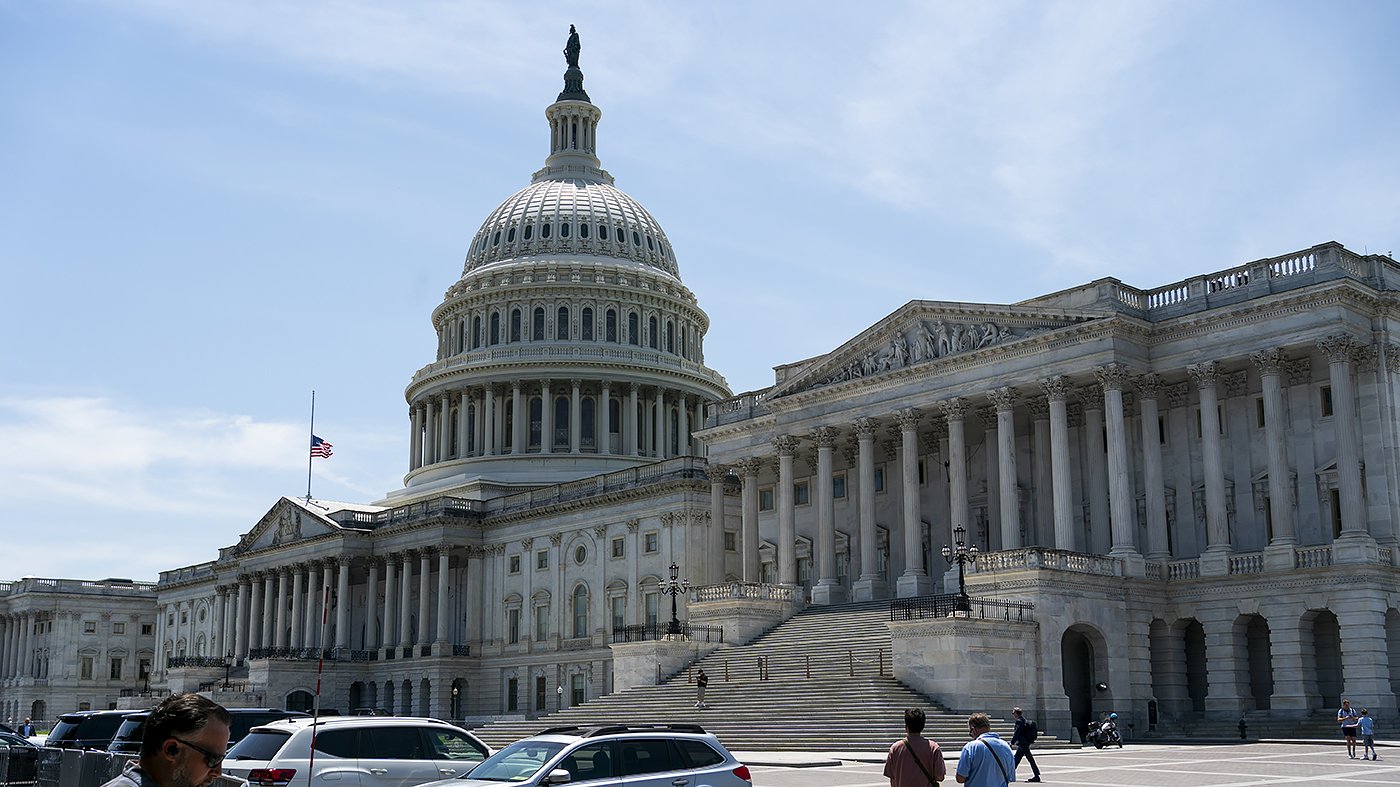
A fresh Washington Post-Ipsos survey released Saturday indicates Democrats retain a slender advantage in their bid to flip the U.S. House this November. Among registered voters, 48 percent back Democratic candidates for Congress, versus 45 percent for Republicans, a margin that underscores the tight race for control of the lower chamber.
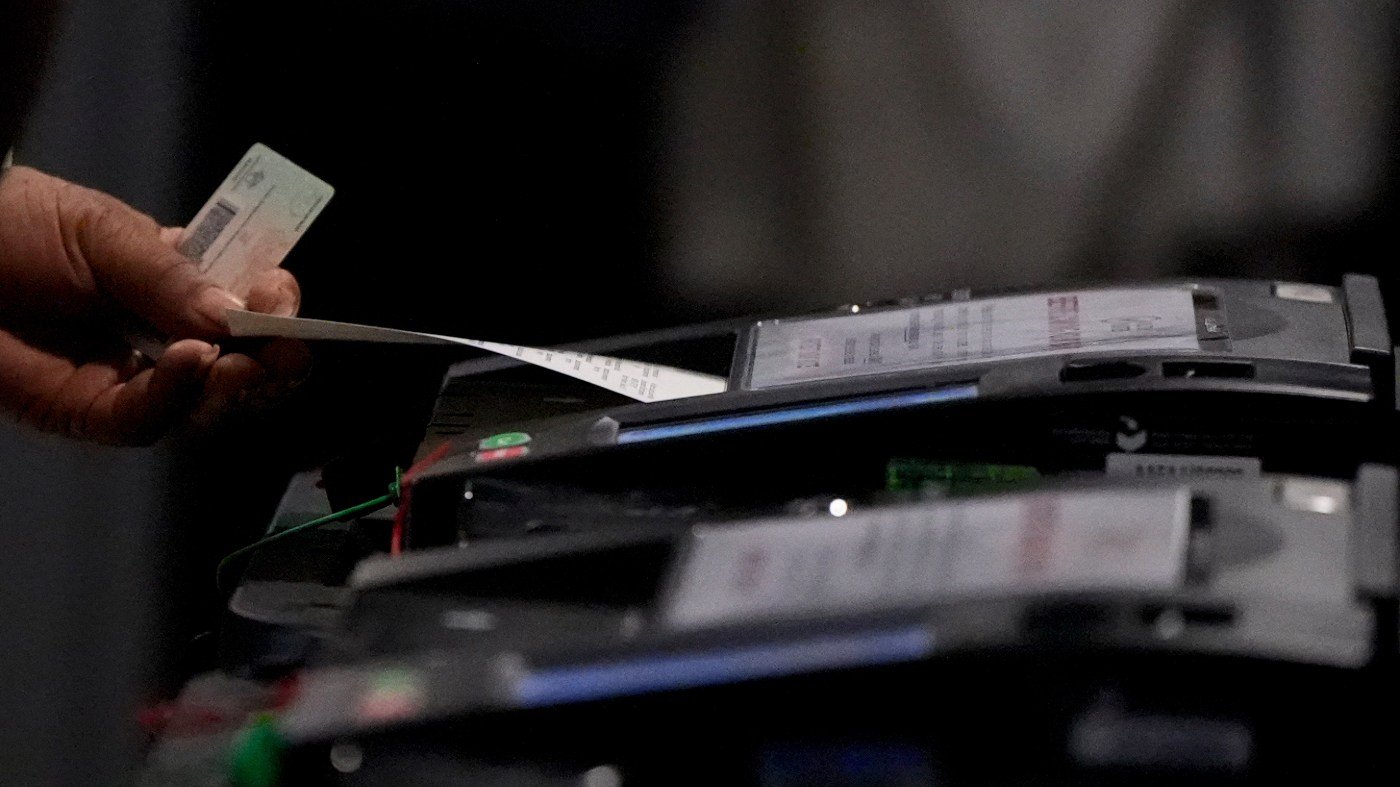
The poll, conducted July 8-13 among 2,648 U.S. adults, reveals a significant enthusiasm gap favoring Democrats. Among respondents who say they are “absolutely certain” to vote in the fall, 53 percent support Democratic candidates, while 45 percent lean Republican. Democrats are 10 points more likely than Republicans to express certainty about casting a ballot this year.

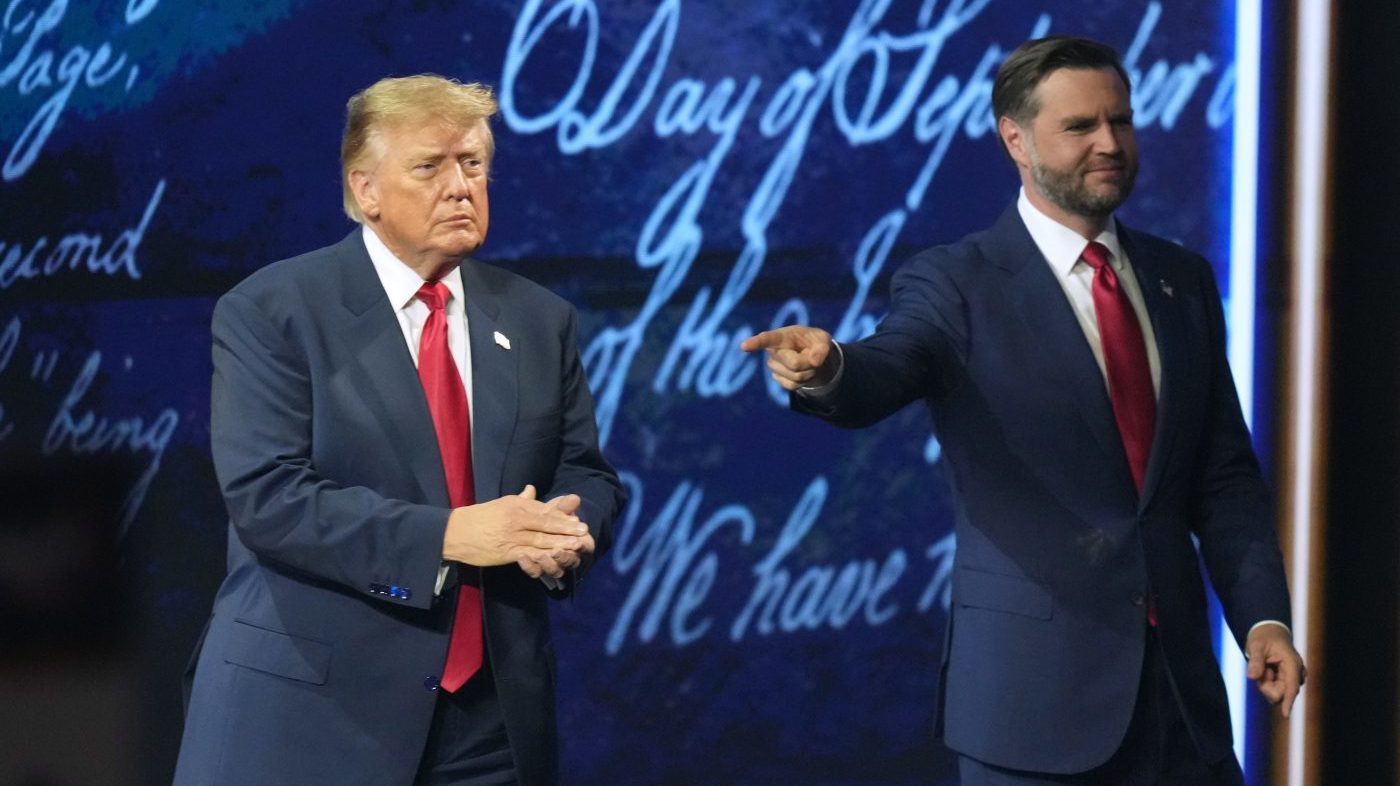
This energy disparity stems from several factors weighing on the GOP, including internal party dissatisfaction with the Trump administration’s handling of the conflict with Iran, persistent affordability concerns, and the president’s overall unpopularity. These issues are creating hurdles for Republican candidates on the ballot.
Economic and job security topped the list of voter concerns, cited by 54 percent of respondents as a key factor in their midterm vote. High prices, immigration, and foreign policy also ranked highly, reflecting a broad set of anxieties among the electorate.
A notable slice of the electorate expressed distrust in both parties’ ability to address core issues. Twenty-one percent of respondents said they trust neither party to manage the economy, and 20 percent said neither party cares about “the needs of people like you.” This sentiment could complicate Democratic efforts to capitalize on their current lead.
The poll’s findings align with a recent forecast from Decision Desk HQ, which predicted Democrats would win 226 seats to Republicans’ 209 in the House, while the Senate remains a 50-50 split. However, the survey’s margin of error is approximately 1.9 percentage points, meaning the race could be even tighter.
Other recent developments are shaping the political landscape. The DHS voter roll scrub plan has sparked Democratic fears of election interference, potentially mobilizing the party’s base further. Meanwhile, AIPAC’s decision to cut off fundraising for 25 House Democrats who voted to restrict Israel aid could weaken some incumbents, though the overall Democratic advantage persists.
The survey also highlights that while Democrats hold an edge, voter discontent with both parties could lead to unpredictable outcomes. As the midterms approach, both sides are working to shore up their bases and appeal to the disaffected.