President Trump's selective declassification of intelligence documents on the 2020 election does not change the core finding of U.S. intelligence agencies: no votes were altered. Yet Democrats argue the president is clearly setting the stage to meddle in future contests.
During a primetime address, Trump claimed the documents revealed “shocking vulnerabilities” in election infrastructure, alleging foreign hacking and exploitation. But the materials—emails, analyses, and reports—did nothing to counter the 2021 intelligence community conclusion that no votes were changed.
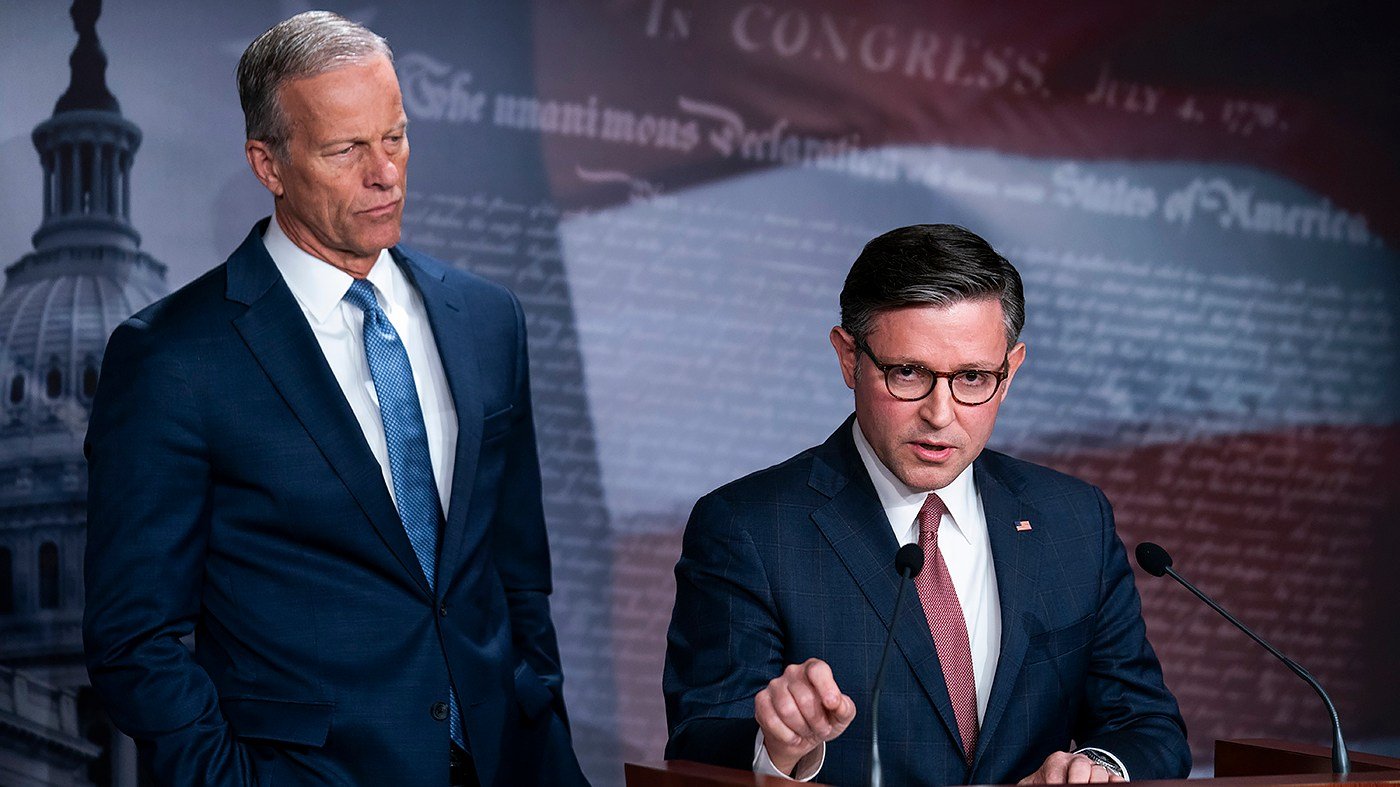
Rep. Jim Himes (D-Conn.), the top Democrat on the House Intelligence Committee, warned that Trump was laying the groundwork for a post-election power grab. “He was setting the context to say, ‘I warned you… I am deploying federal officers from DHS to seven states. They will be seizing ballot boxes,’” Himes said.
Homeland Security Secretary Markwayne Mullin doubled down on Friday, claiming voting machines could be hacked—contradicting U.S. intelligence assessments—and pressuring states to share voter information. Mullin said DHS would exert “maximum pressure” to root out illegal votes and threatened to withhold funding from non-compliant states.
Mullin also pushed states to use a controversial database tied to entitlement programs to verify citizenship, and said DHS would “proactively look at early voting” and “continue to scrub” voter rolls after the election. “We will be hunting you down,” he warned potential illegal voters.
Intelligence experts criticized Trump for cherry-picking data. Sue Gordon, former principal deputy director of national intelligence, called the speech “dangerous” and said Trump treats intelligence as a verdict rather than a starting point for inquiry. “Intent is not activity. Activity is not impact, and impact is not outcome,” she said.
Brian O’Neill, a retired CIA senior executive, reviewed the declassified documents and found they did not support Trump’s claims. “The documents reviewed so far do not include a new, coordinated intelligence assessment” showing China or other adversaries moved beyond influence efforts to target voting processes, he wrote.
Much of the information Trump cited about China was already public, including intelligence community briefings that noted China was just beginning to emulate other countries’ influence campaigns. Russia and Iran were the primary actors targeting the 2020 election, according to a declassified chart included in the release.
Democrats and some Republicans have pushed back against the administration's approach. Mullin's threats have drawn criticism for overstepping federal authority, as elections are constitutionally run by states. The courts have repeatedly blocked DHS from accessing state voter rolls.
For more on the broader political fallout, read about Newsom's sharp rebuke of Trump's speech and the lack of new evidence in the declassified documents.