The U.S. Department of Agriculture confirmed a second case of the flesh-eating New World screwworm in Texas on Friday, intensifying efforts to contain an outbreak that could devastate the state's cattle industry. The parasite was detected in a one-month-old calf in Zavala County, less than six miles from the ranch where the first case emerged earlier this week, according to the USDA's Animal and Plant Health Inspection Service.
Dudley Hoskins, the department's under secretary for marketing and regulatory programs, said the swift response demonstrates preparedness. "USDA has responded expediently with respect to this second detection, demonstrating our utmost preparedness," Hoskins stated, noting that the second detection falls within the established movement control zone and enhanced sterile insect dispersal area.

This marks the first confirmed screwworm cases in Texas since 1966. Officials reported that other samples from the surrounding area tested negative, but the agency is not taking chances. Mobile response trailers have been deployed, and sterile fly releases are underway—2 million in the air and 4 million on the ground per week—to disrupt the parasite's life cycle.
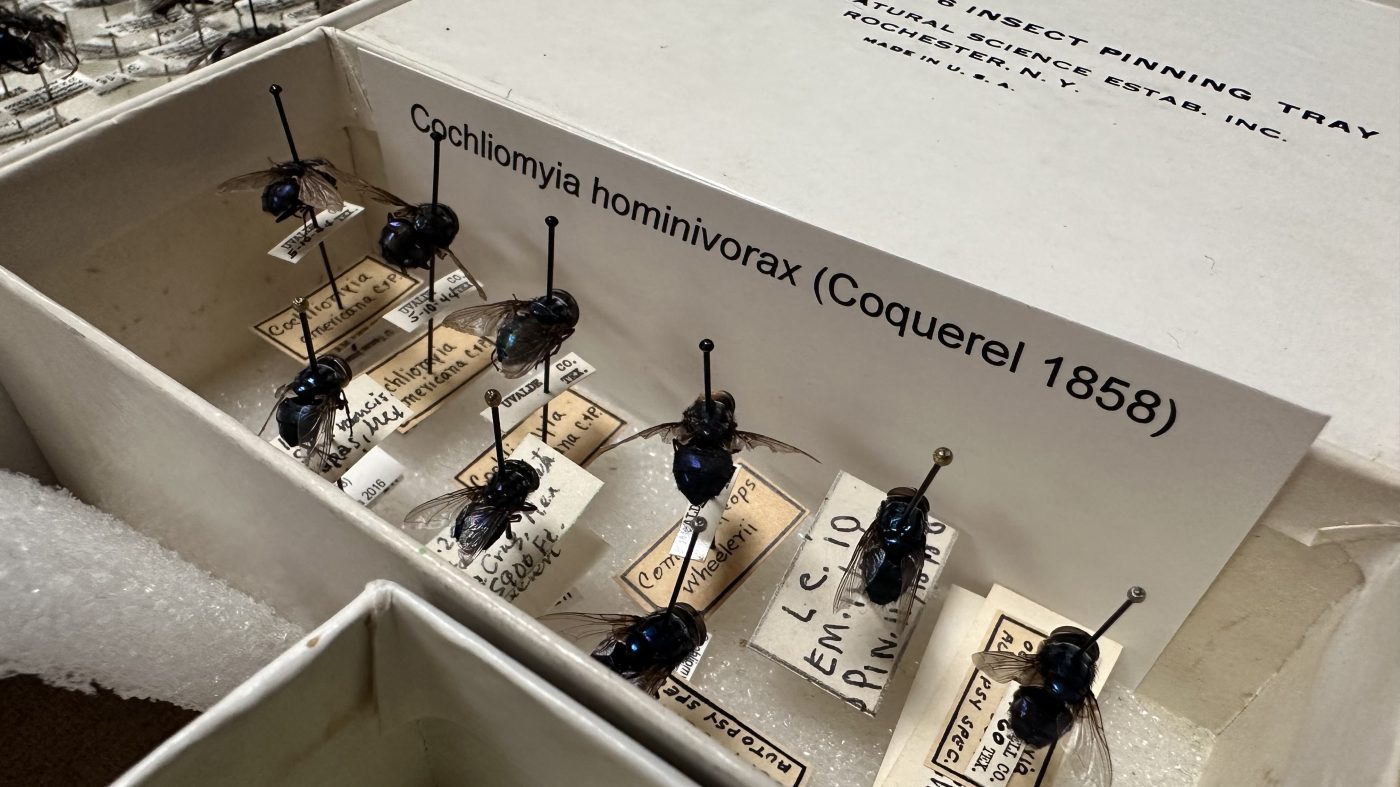
The New World screwworm, a parasitic fly native to South America and parts of the Caribbean, lays eggs in open wounds of warm-blooded animals, including humans. The larvae burrow into living tissue, causing painful, foul-smelling lesions. The Centers for Disease Control and Prevention warns that infestations can be fatal if untreated.
APHIS noted the pest has been creeping northward into Central America and Mexico since 2023. "Many models projected this pest would reach the United States last year, but thanks to USDA's phenomenal work and our cooperation with state, federal, and industry partners, we've held it off until now—when we are far more prepared to respond," Hoskins added.
In a related development, the USDA closed all southern ports of entry to livestock trade last July under an order from Agriculture Secretary Brooke Rollins. The agency also emphasized on social media that "movement control zones are in place, surveillance is intensified, and treatment supplies are available through the Texas Animal Health Commission."
The stakes are high for Texas, the nation's top cattle-producing state. APHIS projected last year that a sizeable outbreak could cost the Lone Star State $1.8 billion in economic losses and hit producers with $732 million annually. Texas Farm Bureau President Russell Boening urged vigilance: "Texas livestock producers and all Texans must now be vigilant in their efforts to manage and combat the invasive pest."
The outbreak has already sparked political tensions, as seen in recent coverage of how USDA and state officials clashed over the initial response. Meanwhile, the USDA's aggressive containment strategy mirrors past successful campaigns, with the agency vowing: "We have defeated this pest before, and we will do it again."
As the sterile fly releases expand and movement restrictions tighten, producers are bracing for potential disruptions. The USDA's rapid deployment of resources aims to prevent the outbreak from spiraling into a full-blown agricultural crisis, but the next few weeks will be critical in determining whether the containment holds.