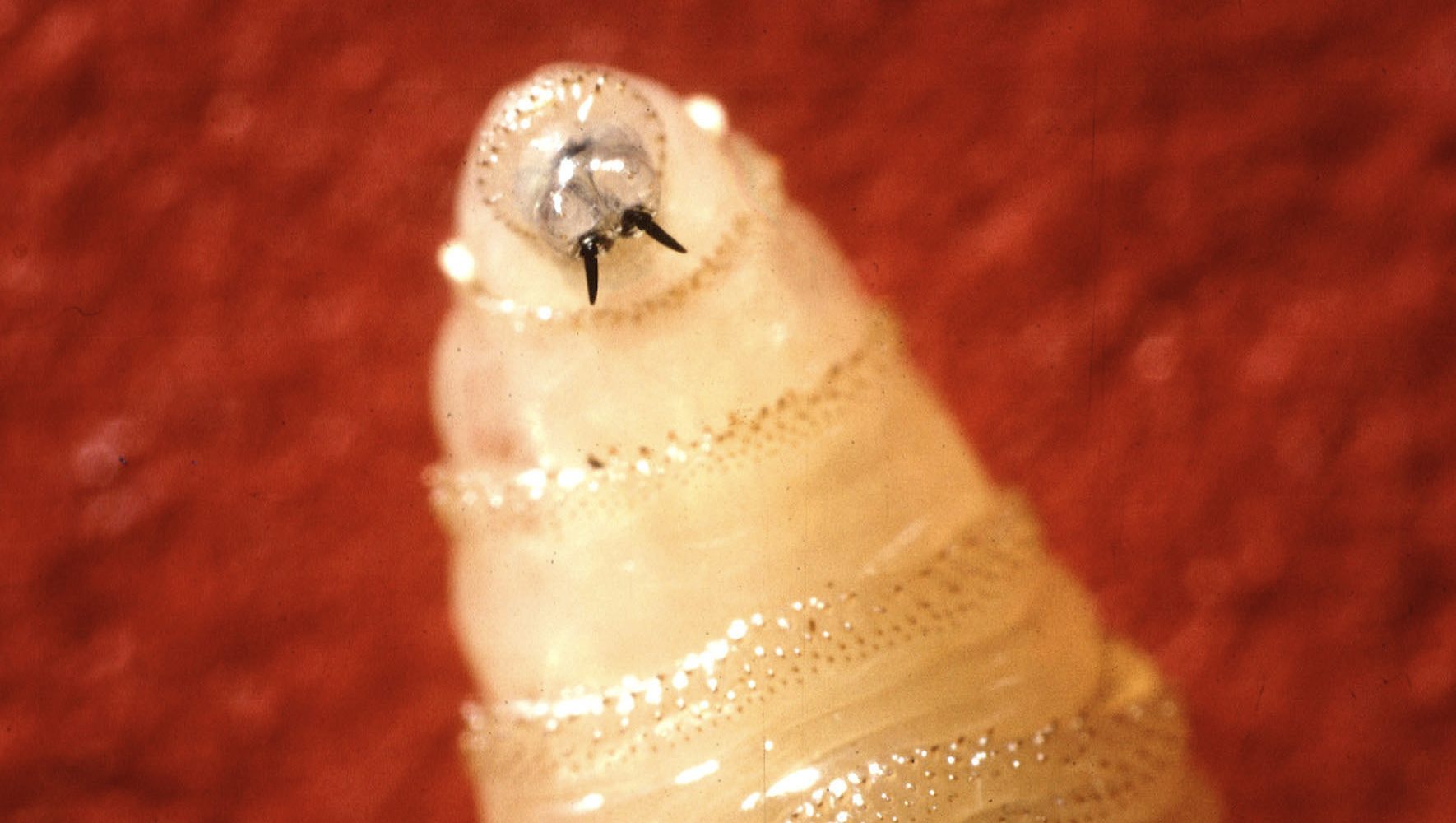
The U.S. Department of Agriculture confirmed Wednesday that a parasitic fly capable of eating livestock alive has been found on U.S. soil for the first time in decades, triggering an emergency containment operation in South Texas and a political dispute over the adequacy of federal measures.
The New World screwworm was detected in a calf in La Pryor, Texas, roughly 50 miles from the Mexican border, according to the USDA. It is the first confirmed case in Texas since 1966 and only the third time the pest has breached U.S. borders in recent memory. In early February, agricultural inspectors in Florida intercepted a case involving an imported horse from Argentina.

Why the Screwworm Poses a Grave Threat
Female screwworm flies lay eggs in open wounds, nostrils, ears, eyes, or mouths of any warm-blooded animal. The larvae hatch and burrow into living tissue, and if untreated, the infestation can be fatal. The pest threatens livestock, wildlife, pets, and in rare instances, humans.
Texas holds the largest cattle herd in the nation, and that herd is already at its lowest level in 75 years. Tight beef supplies have pushed consumer prices to record highs. An unchecked screwworm outbreak could devastate ranchers, with estimates from Reuters suggesting losses for Texas alone could reach $1.8 billion in today's dollars.
How the Screwworm Returned
The screwworm was eradicated from the U.S. in the 1960s through a program that released massive numbers of sterilized male flies to mate with wild females, producing eggs that never hatch. The pest remained contained in Panama until 2021. By 2024, it had reached southern Mexico, which has since confirmed more than 27,000 cases, with over 2,000 currently active.
U.S. and Texas agriculture officials have been warning about the fly for more than a year. USDA efforts have included releasing 100 million sterile flies weekly along the border and deploying 8,000 fly traps.
Containment Efforts and Political Tensions
Agriculture Secretary Brooke Rollins said response teams are already on the ground in South Texas. A 12-mile quarantine zone has been established around the detection site, and officials have expedited sterile fly releases. Rollins expressed confidence that there is “no threat of mass infestation” and stressed the food supply is not at risk because the parasite does not spread through meat, poultry, or dairy.
Texas Agriculture Commissioner Sid Miller disagrees, arguing the federal response has been insufficient. He is urging President Donald Trump to deploy an additional pest-suppression system that uses targeted insecticides alongside the sterile fly program. The political clash mirrors broader tensions over border security and federal preparedness, as highlighted in our earlier report on the screwworm's return.
A new sterile fly production facility is under construction in South Texas but is not expected to be operational until fall 2027. Critics say that timeline is too slow given the urgency of the threat. The USDA's response has also drawn scrutiny amid broader debates over border management, including trade tensions with Brazil and other policy battles.