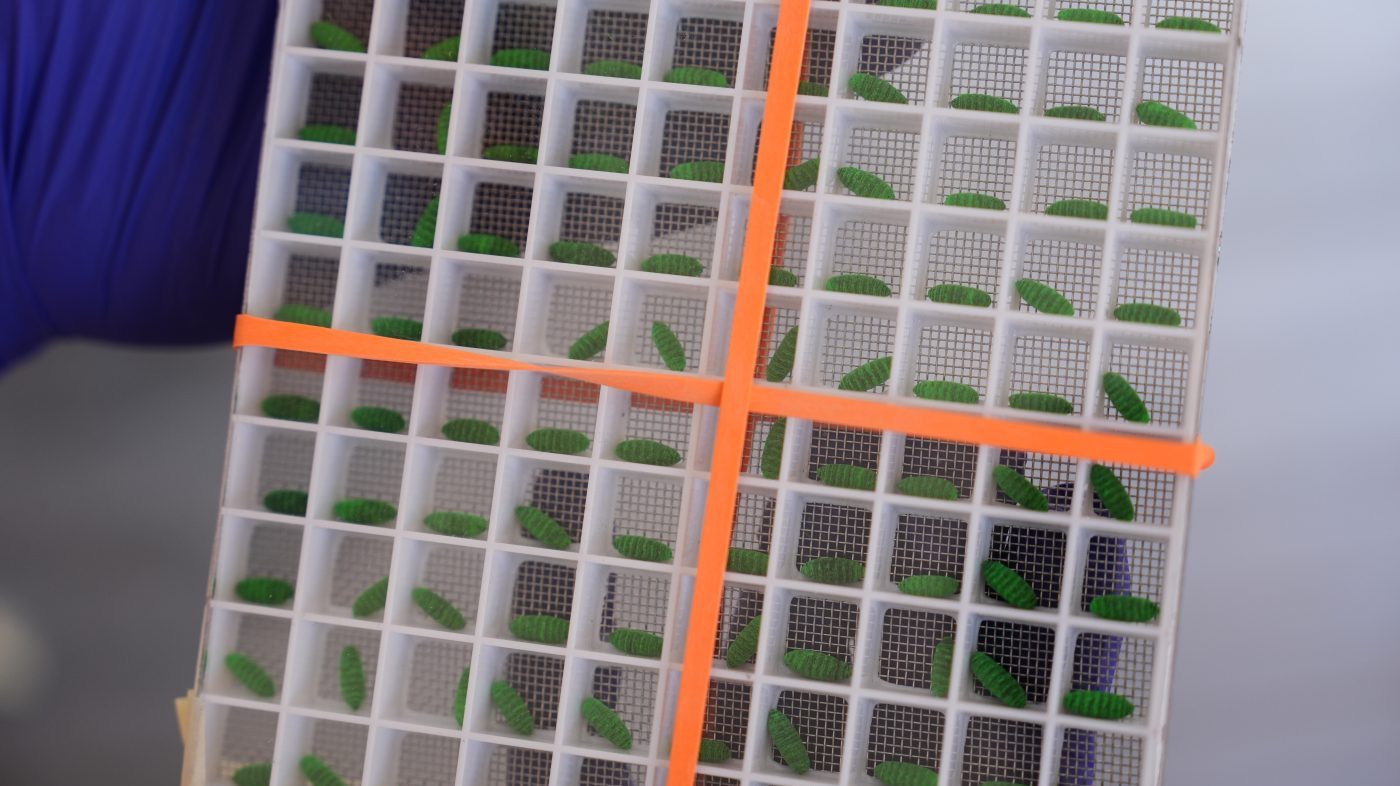
The U.S. Department of Agriculture confirmed Wednesday that a New World screwworm—a flesh-eating parasite—was found in a young calf in Zavala County, southwest of San Antonio. It marks the first confirmed case in Texas since 1966, raising alarms for the state's livestock industry and igniting a sharp political dispute over the Trump administration's handling of the threat.
The parasite, which can devastate livestock populations and also affect pets, wildlife, and rarely humans, typically enters warm-blooded animals through open wounds and feeds on living tissue, according to the USDA. The agency stressed that the U.S. food supply remains safe, noting that the larvae do not infest meat or other food products, and that the Food Safety and Inspection Service continues to monitor meat, poultry, and egg products.
Dudley Hoskins, USDA under secretary for marketing and regulatory programs, said the administration had anticipated the screwworm's arrival by 2025 after it spread through Mexico and Central America, and that President Trump's team had managed to "buy time." In a statement, Hoskins declared: "Protecting our livestock industry is a national security issue of the utmost importance, and USDA is wasting no time in taking action." He added that the department had invested heavily in eradication tools and vowed, "The United States has defeated this pest before, and we will do it again."
The USDA said it is partnering with Texas health agencies to contain the spread through trapping, surveillance, and accelerated release of sterilized male screwworms—a technique that successfully eradicated the parasite in the 1960s by mating with females that only reproduce once, producing infertile eggs.
But Texas Agriculture Commissioner Sid Miller sharply criticized the federal response, calling it "slow, bureaucratic, and incomplete." In a statement posted online, Miller said: "For months, the screwworm has advanced rapidly through Mexico in spite of the USDA's existing gameplan. Even though billions of sterile flies have been dispersed by USDA, the screwworm has still advanced over 1100 miles from southern Mexico to Texas, and USDA has missed an important component."
Miller urged President Trump to order the USDA to deploy the Screwworm Adult Suppression System (SWASS), a technology developed and tested by the USDA that targets adult screwworm populations. He claimed he had personally provided USDA Secretary Brooke Rollins with research on SWASS three times as the parasite spread through Mexico. "USDA already owns the playbook; the only question is whether USDA will use it before this situation gets worse," Miller said. He directly appealed to Trump: "Cut through the bureaucracy, deploy SWASS immediately, and throw every available federal resource at this threat before it becomes a full-blown agricultural disaster."
The Hill has reached out to the USDA and the White House for comment.
This outbreak comes amid heightened scrutiny of Texas border security and agricultural policy, with debates over election integrity and ballot access also dominating state politics. Meanwhile, the political fallout from the screwworm discovery could have implications for the Trump administration's handling of agricultural threats, especially as the U.S. faces similar challenges from invasive species and climate-related disease spread.