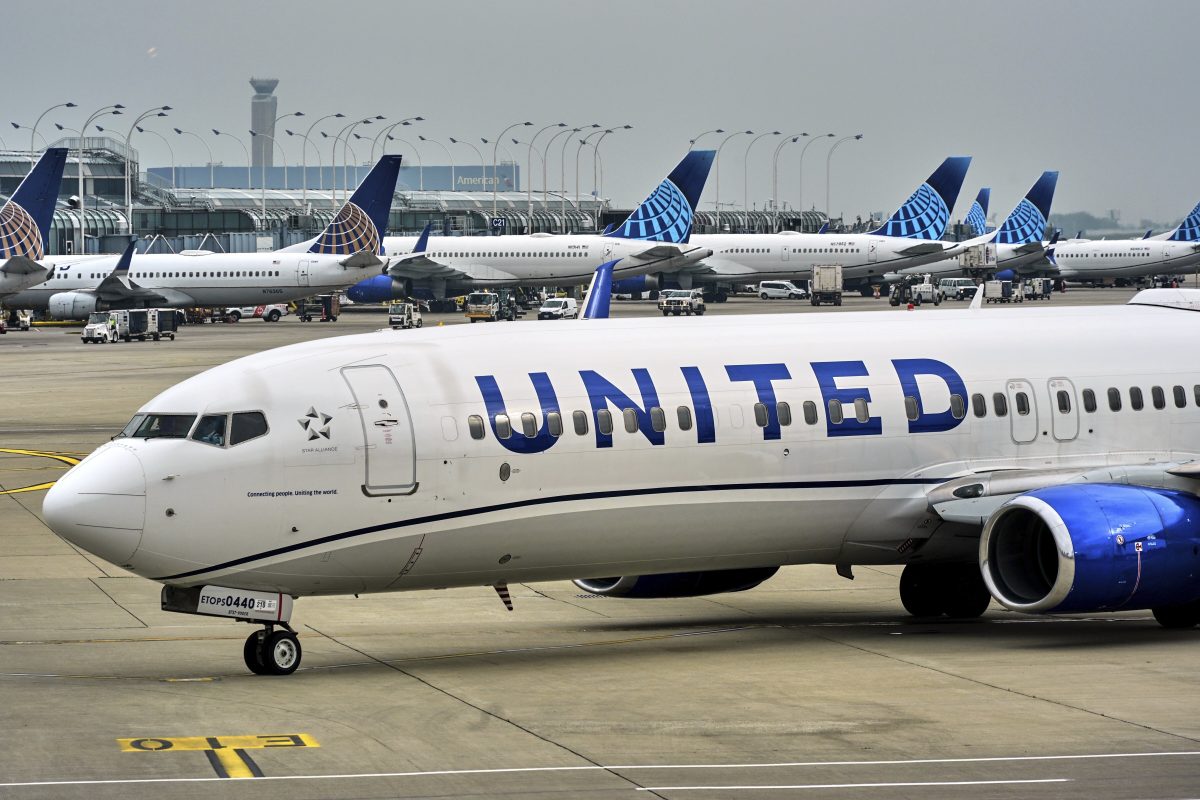
United Airlines is preparing to raise ticket prices by as much as 20 percent, CEO Scott Kirby said, as the war in Iran sends jet fuel costs soaring and squeezes airline margins ahead of the summer travel rush.
Speaking after the carrier posted a record $59 billion in operating revenue for fiscal 2025, Kirby said the fare increases—potentially 15 to 20 percent—would come on top of recently hiked baggage fees. The moves underscore how the conflict in Iran is cascading through the global economy, hitting industries from aviation to consumer goods. Condom prices have also surged 30 percent as supply chains buckle.

Jet fuel prices have more than doubled since last year, rising over 100 percent per gallon, with nearly 70 percent of that spike occurring since the start of the Iran war. The cost pressure is forcing airlines to make tough choices. “I think once United does it, they’re all going to follow suit,” said Johnny Jet, editor-in-chief of travel news site JohnnyJet.com. “Airlines have very small margins, so when fuel prices go up or something else happens, they’re going to lose money on certain routes. That’s why they have to implement a fuel surcharge, raise fares, or cut routes.”
The prospect of higher fares comes as the Trump administration’s economic approval rating has plummeted to 30 percent, with fuel costs a major driver of voter discontent. The White House is also weighing a nearly $500 million bailout for Spirit Airlines, which is struggling under the weight of higher fuel prices and a failed merger with JetBlue. Spirit is now in its second bankruptcy in two years.
The bailout plan has drawn sharp criticism from within the GOP. Former Vice President Mike Pence’s advocacy group has joined a revolt against the proposal, while Senator Ted Cruz has blasted it as a “terrible idea.”
Meanwhile, speculation about a potential merger between United and American Airlines has resurfaced, but MarketWatch reports American is not interested. Analysts say consolidation talk is likely to remain just talk as long as fuel costs remain volatile and regulatory scrutiny is high.
The fuel price surge is also raising broader national security concerns. A new analysis from the Center for Strategic and International Studies warns that the U.S. has depleted key missile stockpiles in the Iran campaign, potentially undermining readiness in the Pacific. For airlines, the immediate challenge is financial: pass costs to consumers or cut service.
Kirby’s warning suggests United will choose the former, and the rest of the industry is expected to follow. Travelers booking summer flights should brace for significantly higher prices.