A major U.S. air and missile defense campaign against Iran has consumed nearly half of the military's Patriot interceptor stockpile and severely depleted six other critical munition inventories, according to a new analysis from the Washington-based Center for Strategic and International Studies. The report, released Tuesday, raises urgent questions about American readiness for a potential high-intensity conflict in the Indo-Pacific region.
Significant Depletion of Key Systems
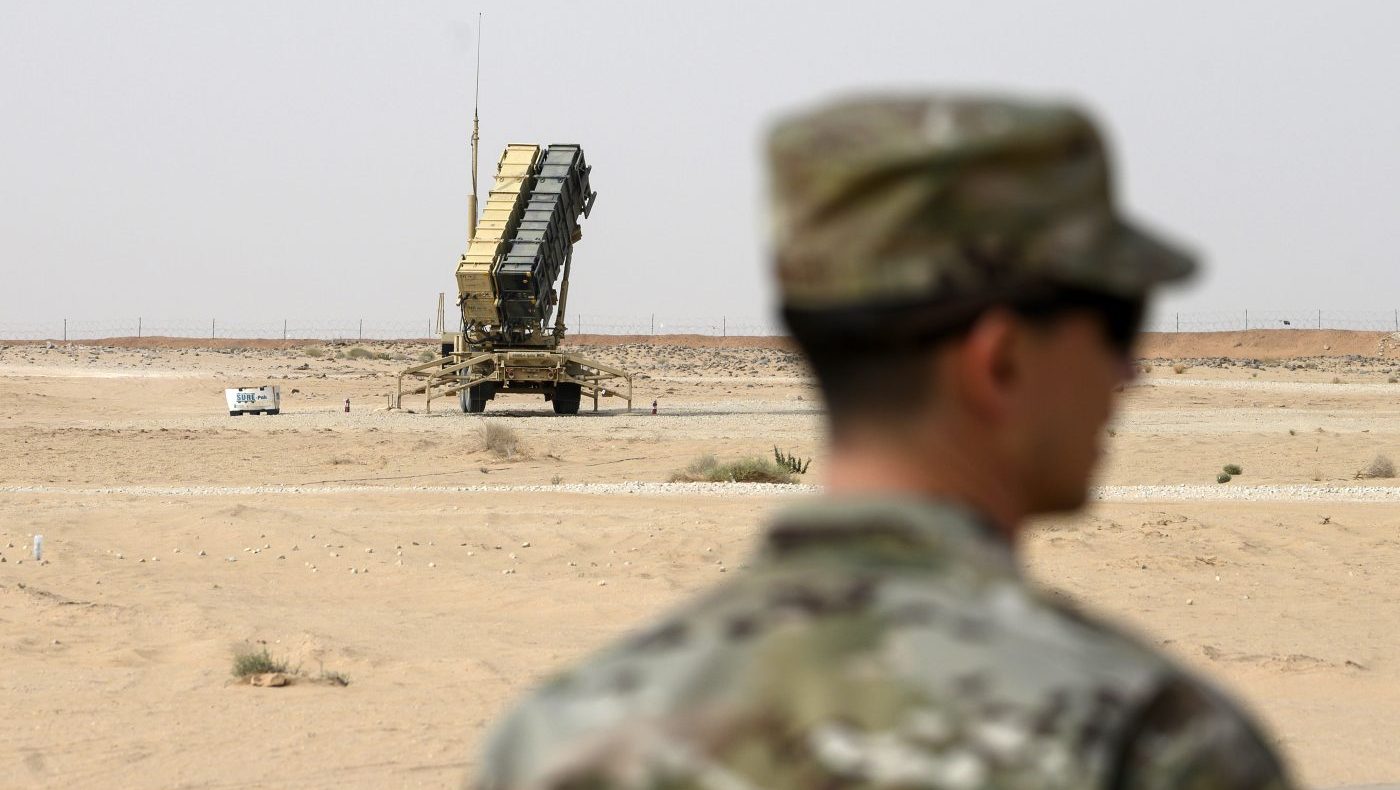
The think tank's analysis of Operation Epic Fury details that over the seven-week campaign, U.S. forces fired almost 50 percent of their inventory of Patriot air defense missiles. They also expended more than half of their Terminal High Altitude Area Defense (THAAD) interceptors and over 45 percent of their Precision Strike Missiles (PrSM). The report notes substantial use of other long-range precision weapons, including more than 20 percent of Joint Air-to-Surface Standoff Missiles (JASSMs) and significant percentages of SM-3 and SM-6 missiles.

"Even before the Iran war, stockpiles were deemed insufficient for a peer competitor fight. That shortfall is now even more acute and building stockpiles to levels adequate for a war with China will take additional time," wrote the report's authors, Mark F. Cancian, a senior adviser with CSIS's Defense and Security Department, and Chris H. Park, a research associate.
Years to Rebuild, Pacific Implications
CSIS estimates that replenishing these munitions—including Tomahawk and JASSM cruise missiles—to pre-conflict levels will require between one and four years. This timeline presents a strategic vulnerability, as these weapons are considered vital for any major confrontation in the Western Pacific. The report states that while the U.S. likely retains enough munitions to continue operations against Iran, the remaining stocks are insufficient to match a near-peer adversary like China.
The findings arrive as the Pentagon pushes for a historic $1.5 trillion defense budget request from the Trump administration. Pentagon Comptroller Jules 'Jay' Hurst told reporters Tuesday that officials plan to expand multi-year munitions contracts to as long as seven years to stabilize production and incentivize industrial base investment.
Pentagon Pushback and Production Pledges
The Pentagon's chief spokesperson, Sean Parnell, forcefully rejected the report's concerning tone. "The U.S. military is the most powerful in the world and has everything it needs to execute at the time and place of the President's choosing," Parnell told The Hill. He characterized warnings about magazine depth as "both ill-informed and dishonorable," citing the military's successful operations under President Trump.
This debate over readiness occurs alongside other contentious defense policy discussions, such as the recent decision to end the universal military flu vaccine mandate, a move criticized by lawmakers including Senator Roger Wicker. The administration has also focused on ramping up weapons production. In early March, President Trump met with major defense contractors and later announced an agreement to quadruple production of what he termed "exquisite class" weaponry.
Strategic Repercussions and Regional Shifts
The CSIS analysis concludes that once Operation Epic Fury concludes, naval assets deployed to the Middle East will return to the Pacific. However, the authors warn that "munitions inventories will start to recover, but restoring depleted stockpiles and then achieving the desired inventory levels will take many years." This depletion comes amid a fragile ceasefire with Iran, which former National Security Advisor John Bolton has criticized as a strategic error that allows Tehran to rearm.
The report underscores a broader, global trend of militaries grappling with munitions sustainability after intense conflicts, a challenge highlighted in allies' strategies such as the UK's 'porcupine' defense review. The CSIS findings will likely fuel ongoing debates in Congress over defense spending priorities and industrial capacity, as lawmakers assess the balance between current operations and future preparedness against advanced competitors.