Senate Democrats early Friday morning derailed a procedural vote to extend the nation's surveillance powers, using the move to protest President Trump's decision to install Bill Pulte as acting director of national intelligence. The block came just days before Section 702 of the Foreign Intelligence Surveillance Act (FISA) is set to expire on June 12.
The motion to proceed to the House message, which would have served as the vehicle for renewing the surveillance authority, failed 47-52. Every Democrat except Senator John Fetterman of Pennsylvania voted against it. Six Republicans—Josh Hawley and Eric Schmitt of Missouri, Mike Lee of Utah, Rand Paul of Kentucky, Rick Scott of Florida, and Tommy Tuberville of Alabama—also crossed party lines to oppose the measure.
Senate Intelligence Committee Chair Tom Cotton, an Arkansas Republican, had been on the verge of a bipartisan deal with Democrats to extend the spy powers. But the agreement collapsed after Trump tapped Pulte—currently director of the Federal Housing Finance Agency—to serve as acting DNI, a role Pulte is set to fill without Senate confirmation.
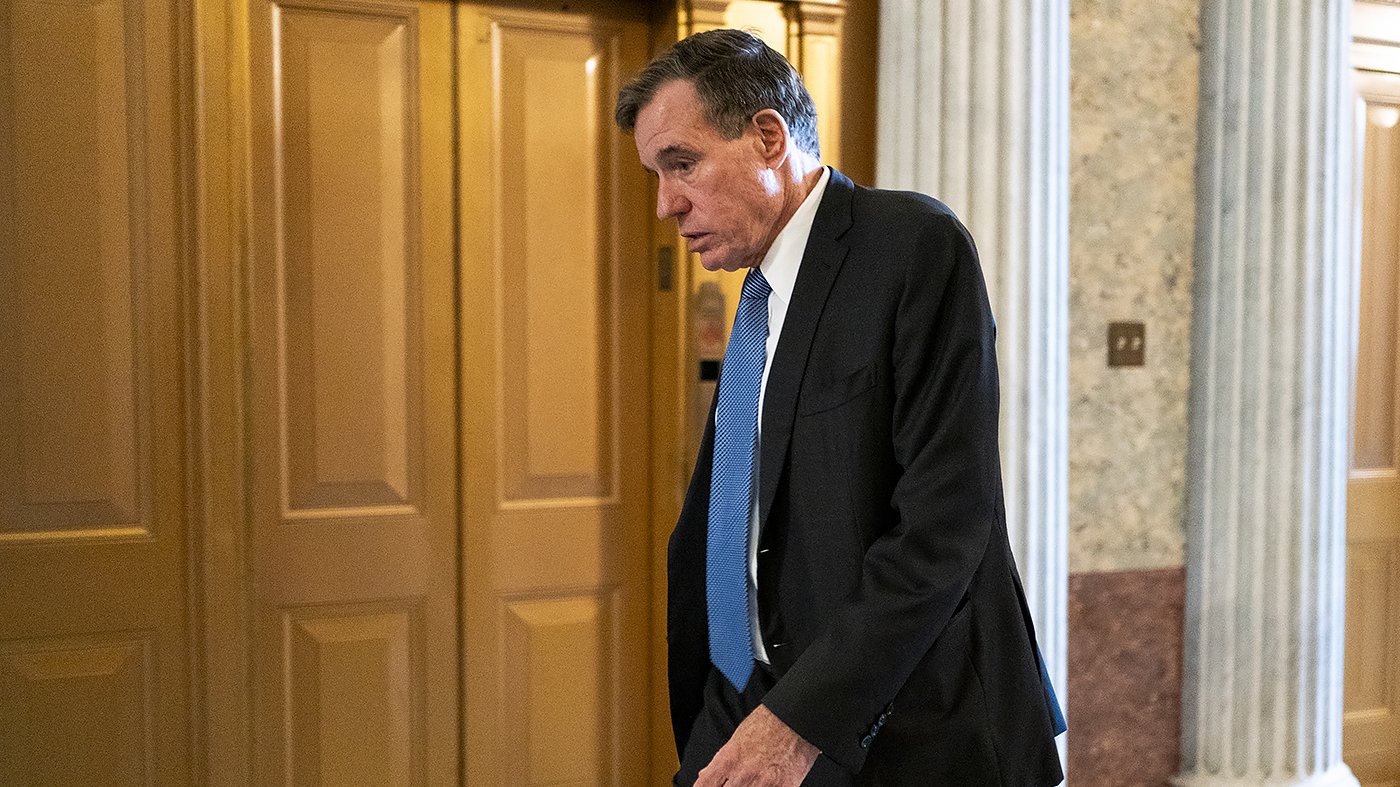
Senator Mark Warner of Virginia, the Intelligence Committee's vice chair, explained the Democratic stance. “The bipartisan bill Tom Cotton and I worked on was solid, but the president picked someone so grossly unqualified just days before a critical FISA deadline. You can't just ignore that,” Warner said after the vote. He added that Pulte's history of weaponizing confidential information—such as using mortgage records to target political opponents like Federal Reserve Governor Lisa Cook, New York Attorney General Letitia James, and Senator Adam Schiff—made it impossible to trust him as the nation's top intelligence official.
Warner asserted that without Pulte in the acting DNI role, there would be “more than enough” Democratic votes to reauthorize the FISA authorities. “Nobody needs to tell me how important Section 702 is,” he said, “but someone who doesn't meet the basic qualifications for DNI shouldn't be in that position, especially when he's shown a willingness to weaponize confidential information.”
Schiff, a California Democrat and Intelligence Committee member, echoed those concerns. “Pulte has demonstrated in his current role a readiness to weaponize whatever data he can access. He's not someone anyone can trust to keep the country safe or to follow the law,” Schiff said, adding that Pulte's appointment makes passing a FISA extension “even more difficult.”
Senate Majority Leader John Thune, a South Dakota Republican, accused Democrats of reckless behavior. “We'll take another run at it, but we need help from Democrats. Their position is terribly irresponsible,” Thune said. He acknowledged that the White House's timing—appointing Pulte days before the FISA deadline—was problematic. “There have been timing issues around several things they've done lately,” Thune noted, but insisted that Pulte's appointment does not justify blocking national security authorities. “I don't know how he would weaponize intelligence, but I find it hard to believe he would do that in that role,” Thune added.
Thune warned that the surveillance program could go dark soon. “In a few days, that program goes dark. That would be a dangerous mistake for the country. Hopefully, responsible people will come to the table and help us figure this out,” he said. Cotton declined to comment on the setback.
The standoff highlights deepening partisan tensions over intelligence oversight and executive power, with Democrats vowing to resist what they see as a politicization of the intelligence community. The outcome remains uncertain as the deadline approaches.