For a quarter millennium, Americans have engaged in an ongoing dialogue about legal democracy. That conversation, two prominent Harvard Law professors argue, is now in serious jeopardy. The evidence, they say, is starkly visible in the realms of voting rights and criminal law.
Unchecked power is increasingly wreaking havoc across the political landscape. The Supreme Court, through its recent campaign finance and voting rights rulings, has shown little concern for the unequal distribution of economic and political influence. This has allowed concentrated wealth and private interests to dominate the electoral process, echoing concerns raised in a recent analysis of voter sentiment about the system being rigged.
The criminal justice system, long tenuously restrained by legal principles, has now openly entered the political arena. The executive branch is wielding its prosecutorial and pardon powers with little restraint. As the authors note, ordinary citizens bear the ultimate cost: losing their political voice, autonomy, savings, safety, and even freedom.
This pattern of unchecked power extends beyond the judiciary and executive. Congress, financial markets, media, and the technology sector all exhibit concentrated authority that has slipped its democratic leash. Public officials ignore the interests of millions, while private entities make decisions of national consequence without accountability. The result is that everyday Americans are increasingly marginalized.
Law-based democracy was designed as an antidote to such abuses. The concept of the rule of law embodies a commitment to resolving disputes through open legal discourse and process, rather than through raw power, coercion, or violence. Democratic decision-making requires an inclusive, community-wide public conversation about the laws that govern the polity. When that conversation falters, democracy itself is at risk.
Some may dismiss calls for more discourse as weak medicine against abusive power. But in the legal sphere, words and ideas carry immense weight. In voting rights, legal definitions empower ordinary people to exercise extraordinary influence. In criminal law, arguments can secure release from incarceration without physical force. The interpretation of religious freedom under the First Amendment affects people of all faiths—and none. The very definition of the word 'citizen' impacts millions of families.
Discourse, law, and democratic values may seem old-fashioned or naively idealistic in an era that invites cynicism. Yet the authors argue that this legal idealism aligns perfectly with the values being celebrated this year. Democracy, at its best, is an inclusive public process where high-stakes, controversial decisions are made peacefully by diverse people with opposing views.
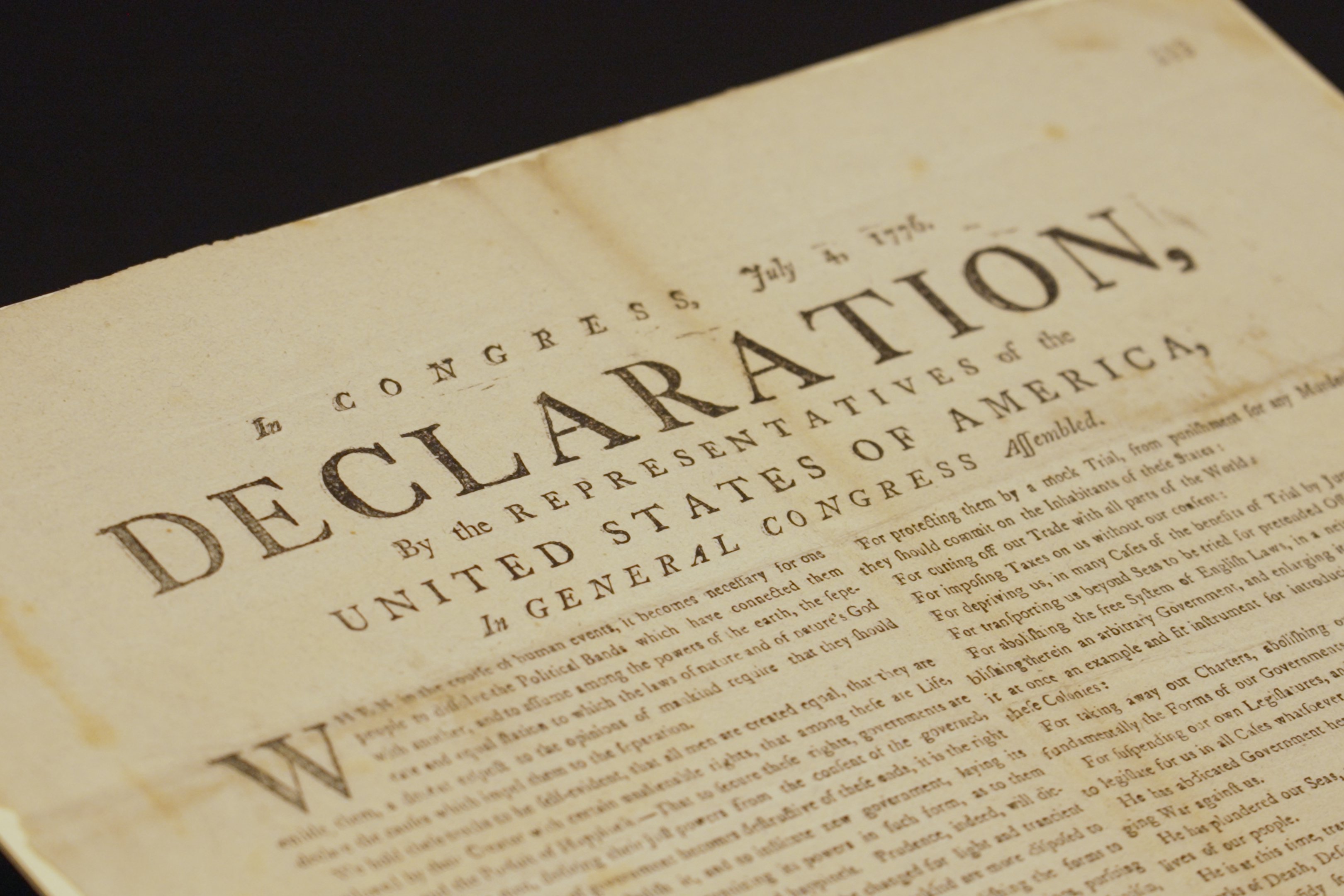
The Declaration of Independence itself stands as a testament to the power of public legal argument. Written largely by lawyers, it was designed to preserve individual rights against monarchical overreach and to establish a government deriving its just powers from the consent of the governed. The Framers understood legal discourse as essential to any polity aspiring to liberty, equality, and human dignity.
The authors acknowledge the Founders' flaws and hypocrisies—under their original regime, neither professor would have been permitted to vote. But law and democracy are unfinished conversations, revised and transmitted across generations. To make that conversation work more fairly, law must push back against unchecked power, whether from state authority, private wealth, or violence. This semiquincentennial year, they argue, should inspire renewed discussions among students, colleagues, the legal profession, and all invested in the future of American governance.