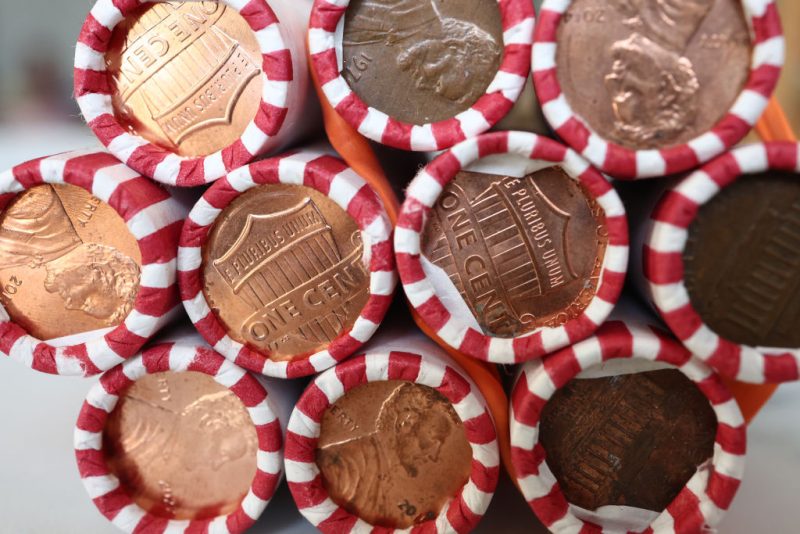
Nearly eight months after the U.S. Mint stopped producing pennies—and even longer since a shortage left retailers scrambling for exact change—the House has passed legislation that could bring order to the chaotic world of cash transactions.
The Common Cents Act, approved by the House earlier this month, formally ends the penny's production, a step the Mint had already taken amid rising costs. But the bill goes further: it establishes clear rules for how businesses should round cash transactions when pennies aren't available.

Ending the Penny, Starting a Standard
Under the bill, retailers would round cash purchases to the nearest nickel, eliminating the need for pennies in everyday transactions. The legislation also opens the door to a redesigned nickel, though details remain sparse. Supporters argue this will streamline commerce and reduce the confusion that has plagued cash payments since the penny shortage began.
The House passage of the penny-ending bill marks a rare moment of bipartisan agreement on a nuts-and-bolts policy issue, though critics warn it could lead to higher prices if rounding consistently favors businesses.
Patchwork of Practices
Since the penny shortage hit, retailers large and small have adopted a patchwork of approaches. Some offered gift cards or free items in lieu of exact change, while others simply told customers they wouldn't receive pennies back. The inconsistency frustrated shoppers and complicated accounting for businesses.
“It’s been a mess,” said one industry analyst. “Every store had its own policy, and customers never knew what to expect. This bill brings much-needed uniformity.”
Broader Implications
The legislation comes amid other policy debates that have captured Washington's attention. For instance, the housing bill that became law without Trump's signature highlighted ongoing tensions over voter ID requirements, while Senator Fetterman's warning about the Democratic Party's direction underscores internal party fractures.
Yet the Common Cents Act has drawn relatively little controversy, perhaps because it addresses a practical problem that affects millions of Americans daily. The bill now heads to the Senate, where its fate is uncertain.
What's Next for Cash
If enacted, the law would take effect later this year, giving retailers time to update their point-of-sale systems. Consumer advocates are watching closely to ensure rounding rules are fair and transparent.
For now, cash customers should still expect some uncertainty—but if the Senate acts, the days of puzzling over penny-less change may soon be over.