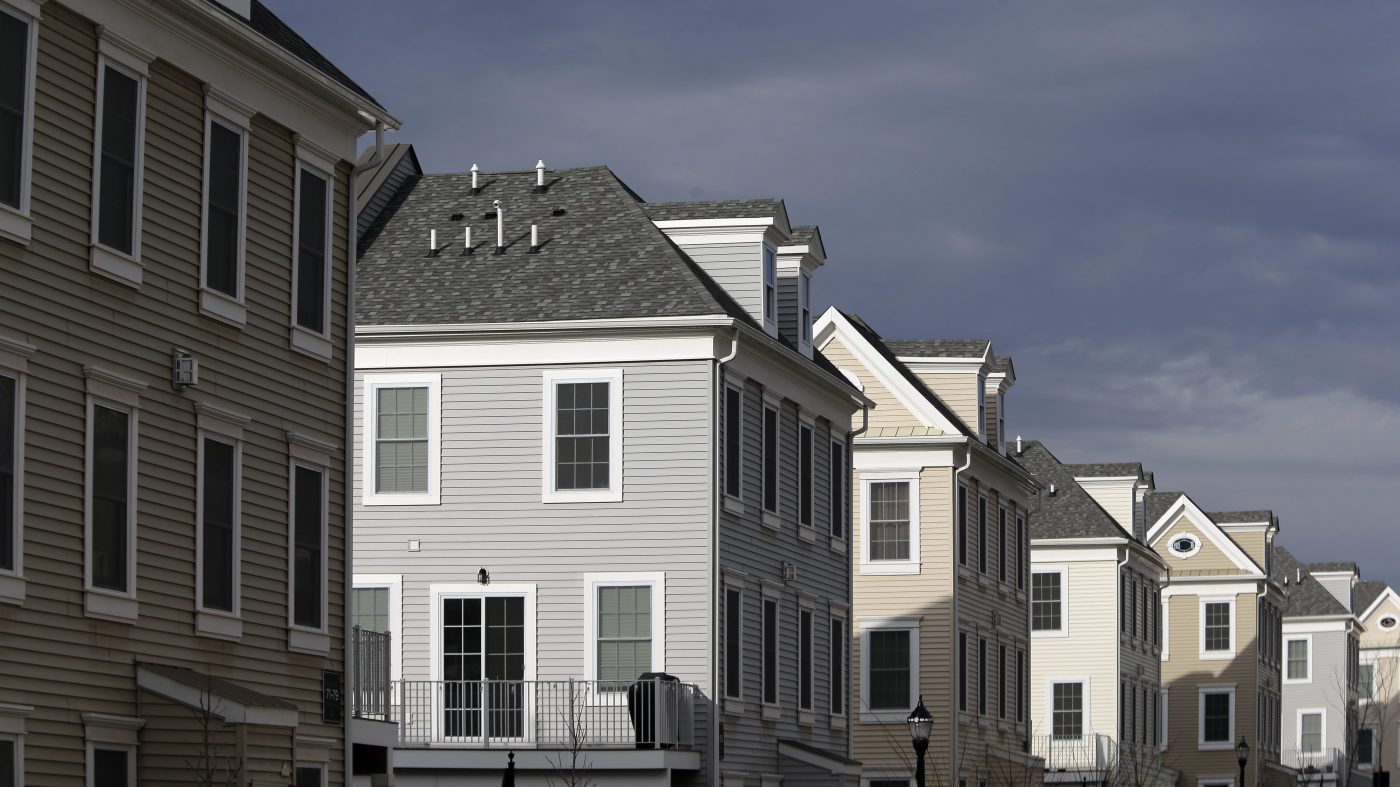
A bipartisan housing bill, the 21st Century ROAD to Housing Act, automatically became law early Saturday after President Donald Trump declined to sign it, opting instead to protest the Senate's failure to advance his voter identification legislation. The bill, which cleared both chambers with strong bipartisan support, aims to tackle housing affordability by boosting home supply and curbing large investors from buying up single-family homes.
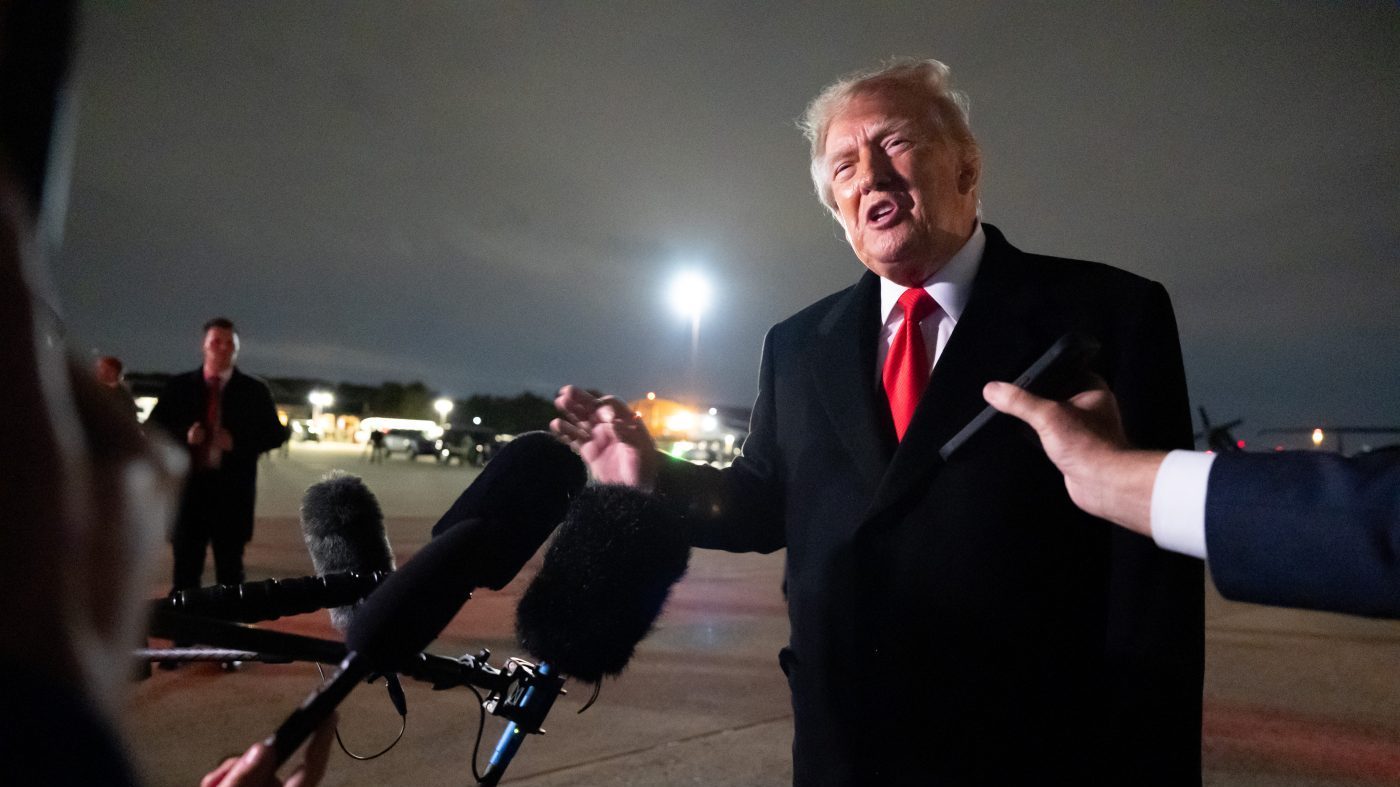
Trump had been scheduled to sign the measure at a Capitol Hill ceremony last month but abruptly canceled hours beforehand, citing his priority for the SAVE America Act, which would require proof of citizenship for voter registration and photo IDs at the polls. In a Friday post on Truth Social, Trump declared he would not sign the housing bill 'in PROTEST over the fact that the United States Senate is not capable of passing THE SAVE AMERICA ACT.'
The president's inaction was largely symbolic. Under the Constitution, any bill passed by Congress that the president neither signs nor vetoes within 10 days (excluding Sundays) automatically becomes law. Speaker Mike Johnson sent the bill to the White House on June 29, and that window expired at midnight Saturday.
Senator Elizabeth Warren, a key Democratic proponent of the housing measure, sharply criticized Trump's refusal to sign it. 'Why did President Trump sit on the landmark housing bill for more than 2 weeks? Maybe because there was nothing in it for him personally—no gold-encrusted ballroom, no Qatari jet, no $2 billion crypto deal,' she said in a statement. 'Nothing in the 21st Century ROAD to Housing except ways to make housing more affordable. Donald Trump couldn't pick up the pen because he just isn't interested in lowering costs for American families.'
The housing legislation, formally the 21st Century ROAD to Housing Act, includes provisions to increase the supply of affordable homes and limit purchases by institutional investors, a move aimed at easing price pressures on first-time buyers. The bill's enactment comes amid a broader political battle over voting rights, with Trump's voter ID push stalling in the Senate despite his repeated demands.
This standoff echoes other recent clashes between the White House and Congress over election-related measures. Earlier this year, Trump ousted election commissioners, raising fears of midterm interference, as reported by The World Signal. Meanwhile, the administration has also pursued aggressive foreign policy threats, including warnings of massive retaliation over an Iran assassination plot.
House Speaker Mike Johnson, who sent the bill to Trump's desk, has not commented on the president's decision to let it become law without his signature. The move underscores the ongoing tension between Trump's legislative priorities and the bipartisan consensus on housing policy.
The 21st Century ROAD to Housing Act is now law, but the political fallout from Trump's protest may continue to reverberate, particularly as the 2024 election cycle intensifies. For now, the measure stands as a rare instance of bipartisan cooperation in a deeply divided Congress, even if it took a presidential snub to get it over the finish line.