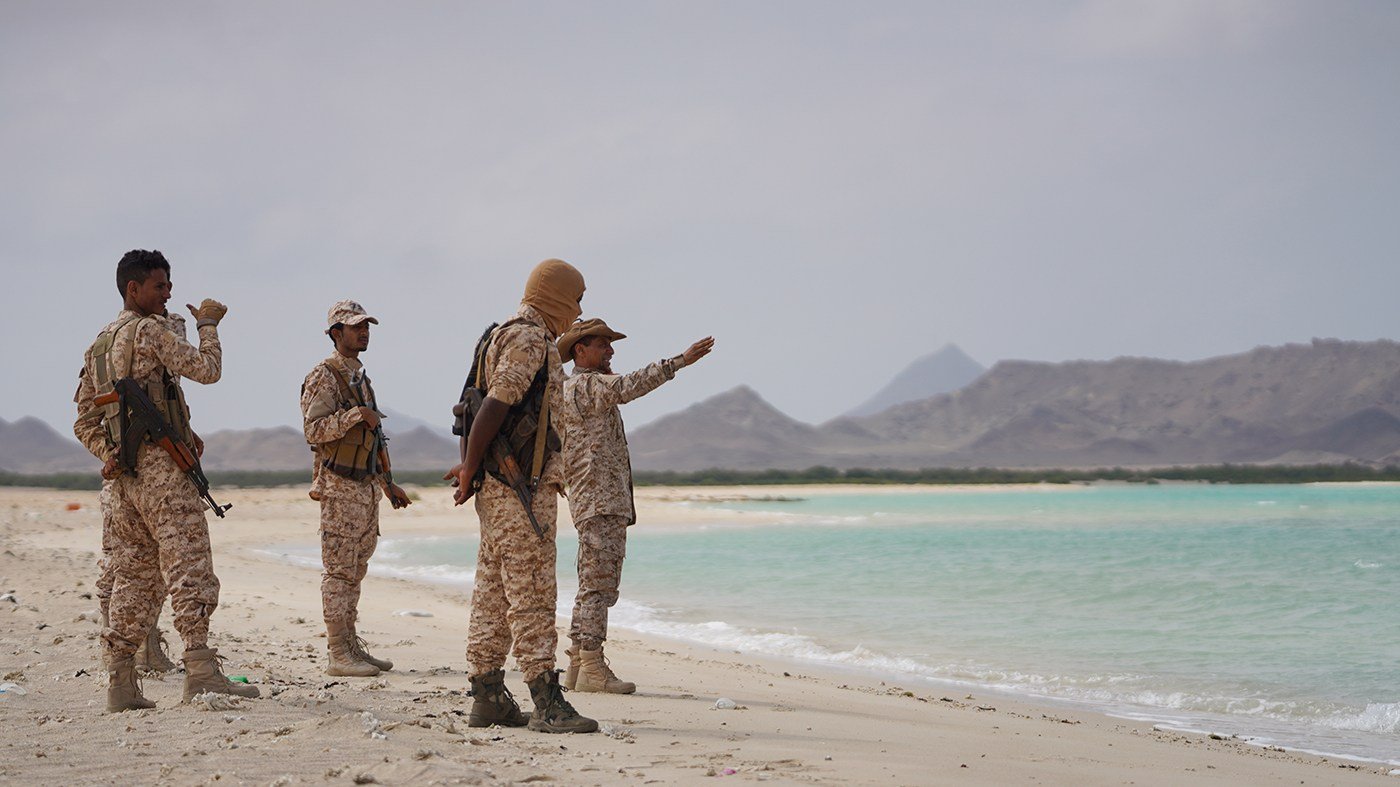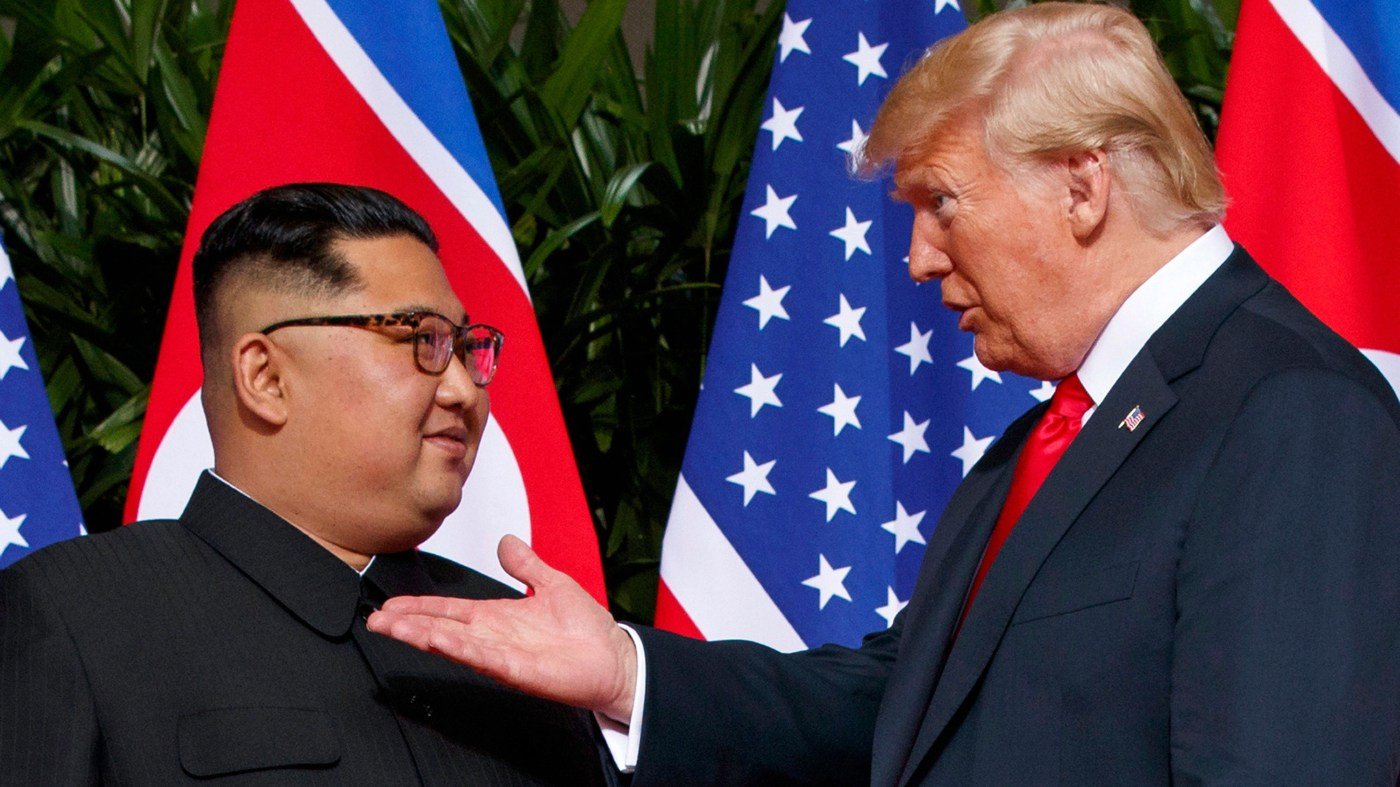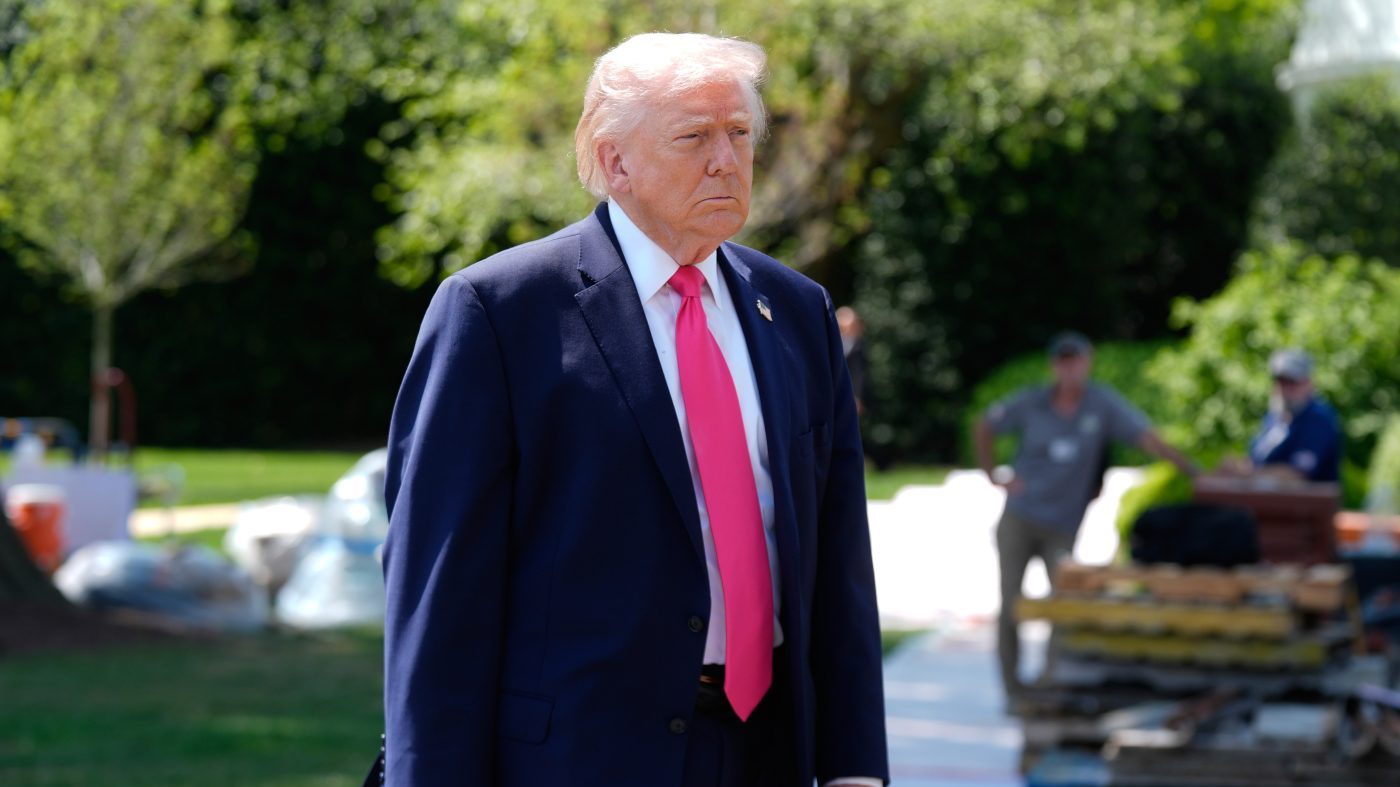
President Donald Trump announced Tuesday that he is extending the United States' ceasefire with Iran indefinitely, conditioning its duration on Tehran's ability to present a unified proposal for negotiations. The announcement came via the president's Truth Social platform and maintains existing U.S. military pressure on Iran through a continued blockade.
In his statement, Trump cited what he described as serious fractures within the Iranian government as a primary reason for the extension. "Based on the fact that the Government of Iran is seriously fractured, not unexpectedly so," Trump wrote, indicating the administration views internal discord in Tehran as an opportunity for diplomatic leverage.
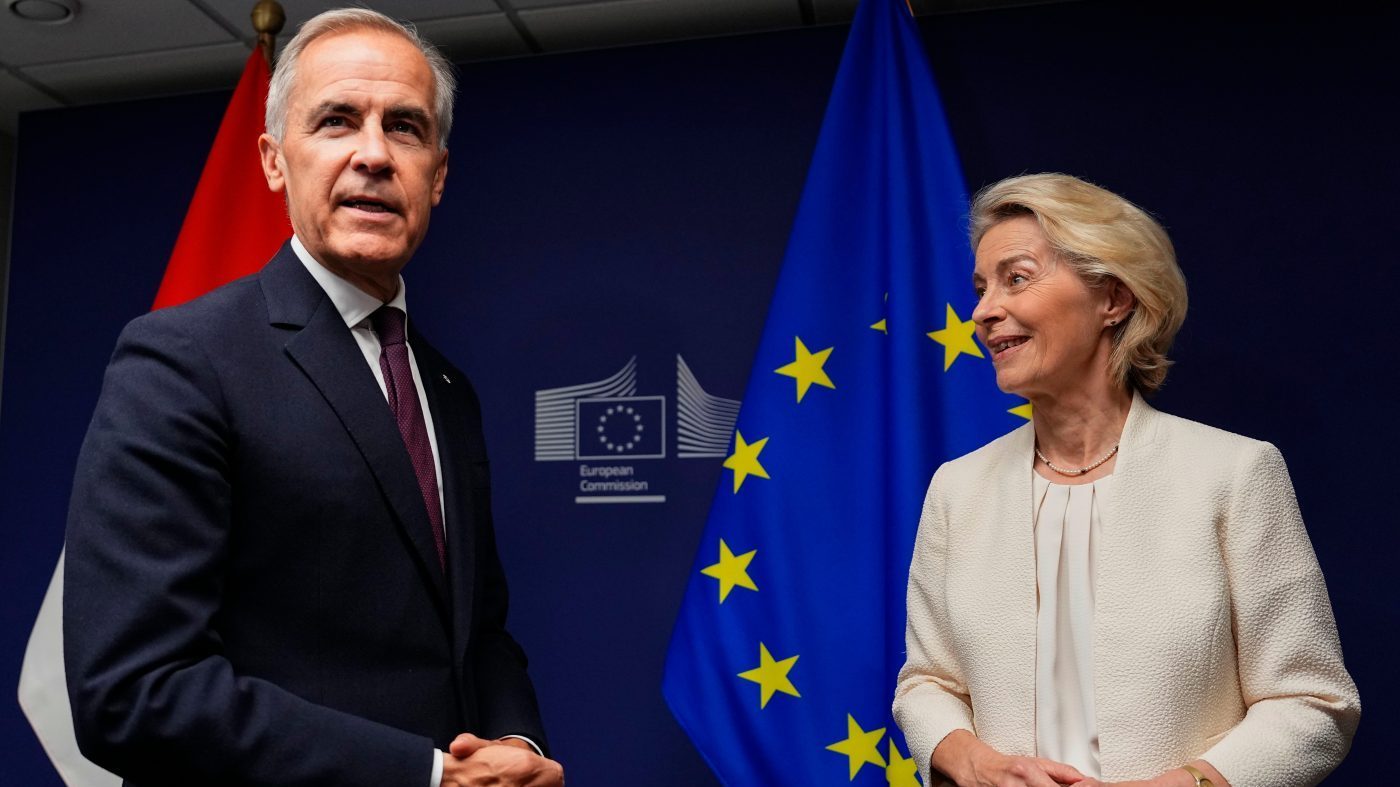
The president revealed that the decision followed direct appeals from Pakistan's leadership. "Upon the request of Field Marshal Asim Munir, and Prime Minister Shehbaz Sharif, of Pakistan, we have been asked to hold our Attack on the Country of Iran until such time as their leaders and representatives can come up with a unified proposal," Trump stated. This disclosure confirms Pakistan's active diplomatic role in de-escalating tensions between Washington and Tehran.
Trump emphasized that military readiness would not be diminished despite the ceasefire extension. "I have therefore directed our Military to continue the Blockade and, in all other respects, remain ready and able," he declared. The president added that the ceasefire would remain in effect "until such time as their proposal is submitted, and discussions are concluded, one way or the other."
The announcement represents a strategic pause rather than a de-escalation, maintaining maximum pressure while offering Tehran a pathway to negotiations. The continued blockade of Iran underscores the administration's commitment to its coercive diplomacy approach, which has included severe economic sanctions and military posturing in the Persian Gulf.
This development occurs against the backdrop of the administration's substantial defense budget request, which includes funding for expanded drone capabilities and other systems relevant to Persian Gulf operations. The timing suggests coordination between diplomatic messaging and military preparedness.
Regional stability concerns appear to have influenced the decision, particularly regarding energy security. The Strait of Hormuz remains a critical flashpoint, with previous administration actions drawing criticism from congressional Democrats who have accused Trump of creating dangerous instability in the vital waterway.
The indefinite extension places the onus squarely on Iranian leadership to overcome internal divisions and formulate a coherent position. It also reflects the complex geopolitical calculations involving regional partners, with Pakistan emerging as an unexpected intermediary in U.S.-Iran relations.
As the situation develops, congressional scrutiny is expected to intensify, particularly from House Democrats who have scheduled discussions on the administration's Iran policy. The president's unilateral announcement via social media continues his pattern of bypassing traditional diplomatic channels for major foreign policy declarations.