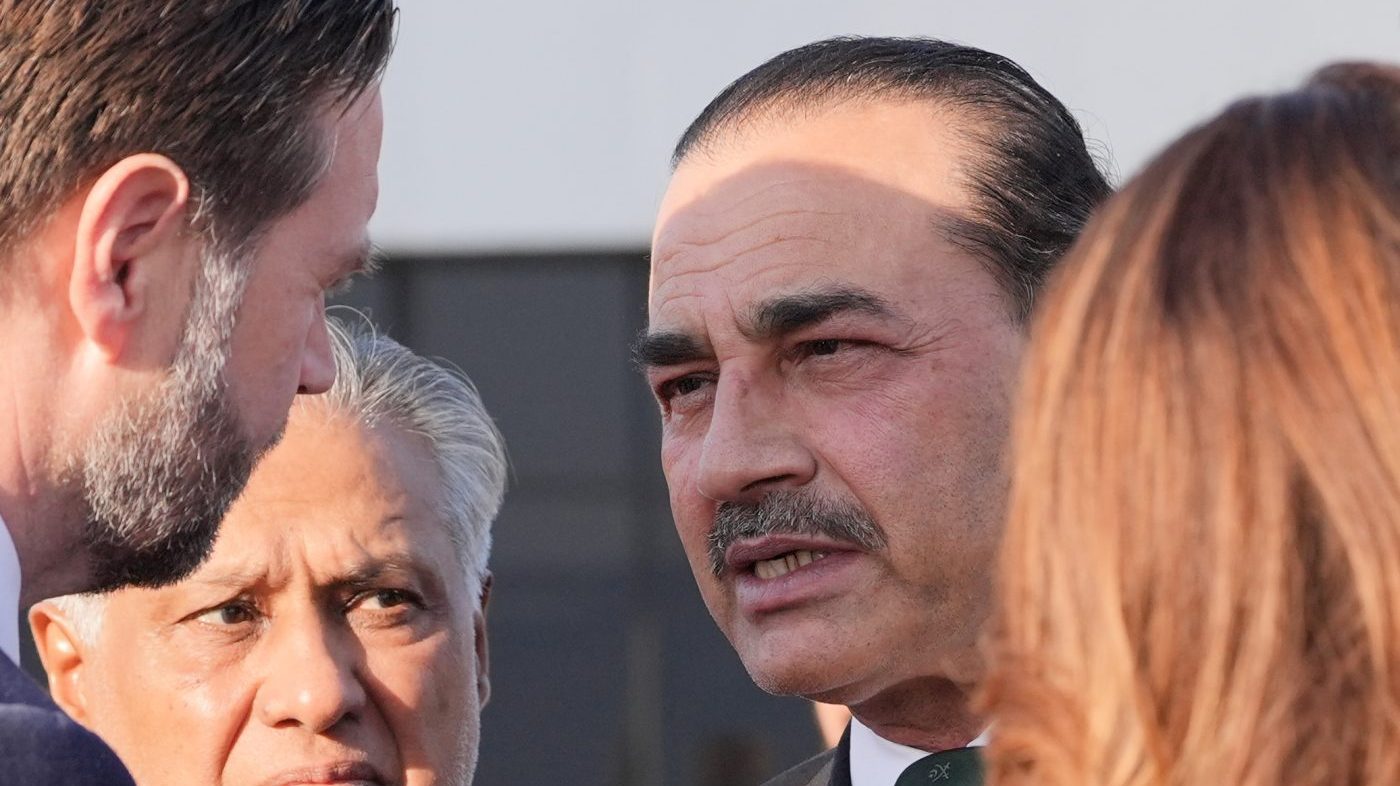
Pakistan has issued a direct diplomatic appeal to Washington and Tehran, urging both nations to extend a temporary ceasefire that is scheduled to expire on Wednesday evening. The call came during a meeting in Islamabad between Pakistani Foreign Minister Mohammad Ishaq Dar and U.S. Deputy Chief of Mission Natalie Baker.
According to a statement from Pakistan's foreign office posted on social media, Dar stressed the critical need for continued engagement between the two adversaries and explicitly urged them to "consider extending the ceasefire, and to give dialogue and diplomacy a chance." Pakistan has been mediating the tense negotiations, which have unfolded during a two-week pause in hostilities that began on April 7.
Deadline Pressure and Presidential Warnings
The push for an extension faces significant headwinds from the White House. President Donald Trump confirmed in an interview that the ceasefire will end on "Wednesday evening Washington time," and indicated he is not inclined to prolong it. He warned last week that the U.S. may resume military action if Iran fails to meet his administration's demands by the deadline. "We've taken out their navy, we've taken out their air force, we've taken out their leaders," Trump told CNBC on Tuesday, asserting a "very strong negotiating position."
Despite his tough rhetoric, Trump also expressed confidence that a deal could be reached by the Wednesday cutoff. "What I think is that we're going to end up with a great deal," he said, framing the negotiations as a long-overdue confrontation with the Iranian regime.
Regional Flashpoints and Stalled Diplomacy
The ceasefire remains fragile, threatened by recent Iranian actions in the Gulf and Israeli strikes in Lebanon. While a separate week-long agreement between Israel and Lebanon provided a glimmer of hope, fundamental disputes continue to block a lasting U.S.-Iran accord. Key sticking points include security in the strategic Strait of Hormuz—a vital global oil chokepoint—and the status of Iran's nuclear program.
The U.S. has maintained a naval blockade in the Strait since last Monday, halting some ship traffic after Iran announced new tolls for oil vessels. This economic pressure has had immediate global consequences, sending the price of Brent crude oil soaring to nearly $96 a barrel, up from approximately $72 before joint U.S.-Israeli operations began in late February. The average U.S. gasoline price has surpassed $4 per gallon.
In response to the energy price surge, President Trump invoked the Defense Production Act on Monday, using its wartime authorities to boost domestic production of oil, gas, and coal. This move underscores the domestic political pressure created by the conflict, a pressure highlighted by recent polling showing a majority of voters hold Trump responsible for surging gas prices.
Iran's Defiant Stance
Iranian leadership has responded with defiance. President Masoud Pezeshkian stated on social media that "Honoring commitments is the basis of meaningful dialogue," while accusing American officials of sending "unconstructive & contradictory signals" that seek "Iran's surrender." He emphasized that "Iranians do not submit to force," reflecting the deep historical mistrust that complicates negotiations. This posture casts doubt on Iran's participation in a second round of talks.
The diplomatic impasse leaves the situation perilously balanced. With Pakistan's mediation effort facing a hard deadline, the U.S.-Iran ceasefire hangs by a thread. The outcome will have immediate ramifications for global energy markets, regional security, and the political landscape in Washington, where House Democrats are preparing to address the deadline amid internal party scrutiny.