Ceasefire Deadline Looms Over Stalled Negotiations
The prospect of renewed conflict between the United States and Iran intensified Tuesday as a critical second round of talks in Islamabad appeared on the verge of collapse. The temporary ceasefire, established on April 7, is set to expire Wednesday evening, with neither side showing clear commitment to extending the diplomatic window.
Pakistan continues preparations to host the negotiations, but Iranian officials have not confirmed their delegation will participate. This uncertainty casts a long shadow over efforts to broker a longer-term agreement to end hostilities, as detailed in previous reports on the delicate state of the Islamabad talks.
U.S. Delegation Ready, Iranian Attendance in Doubt
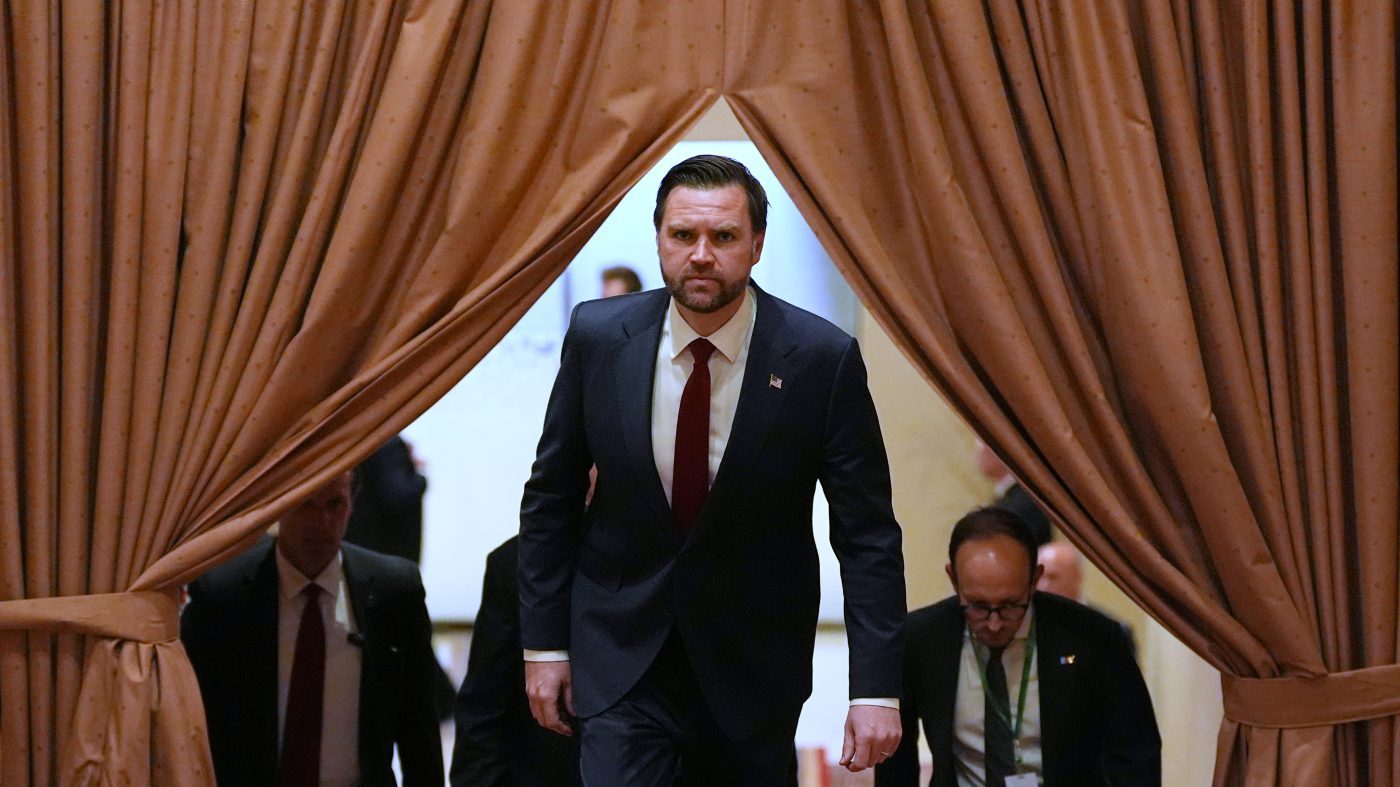
The White House is preparing to send Vice President Vance to lead the American contingent, which will again include special envoy Steve Witkoff and senior advisor Jared Kushner. This mirrors the composition of the U.S. team from the first round of talks, which ended without agreement primarily over Iran's nuclear program.
From Tehran, however, comes only ambiguity. An official told Reuters the government was "positively reviewing" its participation but stressed it awaited the fulfillment of unspecified conditions. Parliament Speaker Mohammed Bagher Qalibaf, who led the Iranian delegation alongside Foreign Minister Abbas Araghchi in the first round, has publicly rejected negotiating under threat.
Escalating Rhetoric Threatens Diplomatic Process
President Trump stated Monday he was "highly unlikely" to extend the ceasefire past Wednesday if no deal is reached, warning that "lots of bombs" would target Iran if the truce lapses. This followed his accusation that Iran had violated the ceasefire "numerous times." He has also insisted the U.S. naval blockade of the Strait of Hormuz will remain until a formal agreement is signed.
Iranian leadership responded in kind. Qalibaf declared on social media that the country's armed forces were "prepared to reveal new cards" if fighting resumes, framing Trump's approach as an attempt to turn negotiations "into a table of surrender." This hardening of positions underscores the profound mistrust that has plagued the process.
Strait of Hormuz Remains Central Flashpoint
The strategic waterway continues to be a core dispute. The U.S. demands the restoration of safe passage for commercial vessels, which carried about one-fifth of the global oil supply before the conflict. Trump has condemned Iran for charging tolls in the channel, despite having considered a similar policy.
U.S. Central Command reports its forces have redirected 25 commercial ships since the blockade began and, over the weekend, intercepted an Iranian-flagged cargo vessel attempting to bypass the restriction. The standoff over the strait has led to repeated warnings from Trump about renewed strikes if the situation deteriorates.
With the Wednesday deadline fast approaching, the diplomatic machinery in Islamabad is moving forward for a talks process that may have no counterparty. The failure of the first round over nuclear issues, combined with the current war of words and military posturing, leaves little room for optimism. The international community watches to see if the temporary cessation of violence will become permanent or merely a brief interlude, as Trump has clearly signaled his intent.