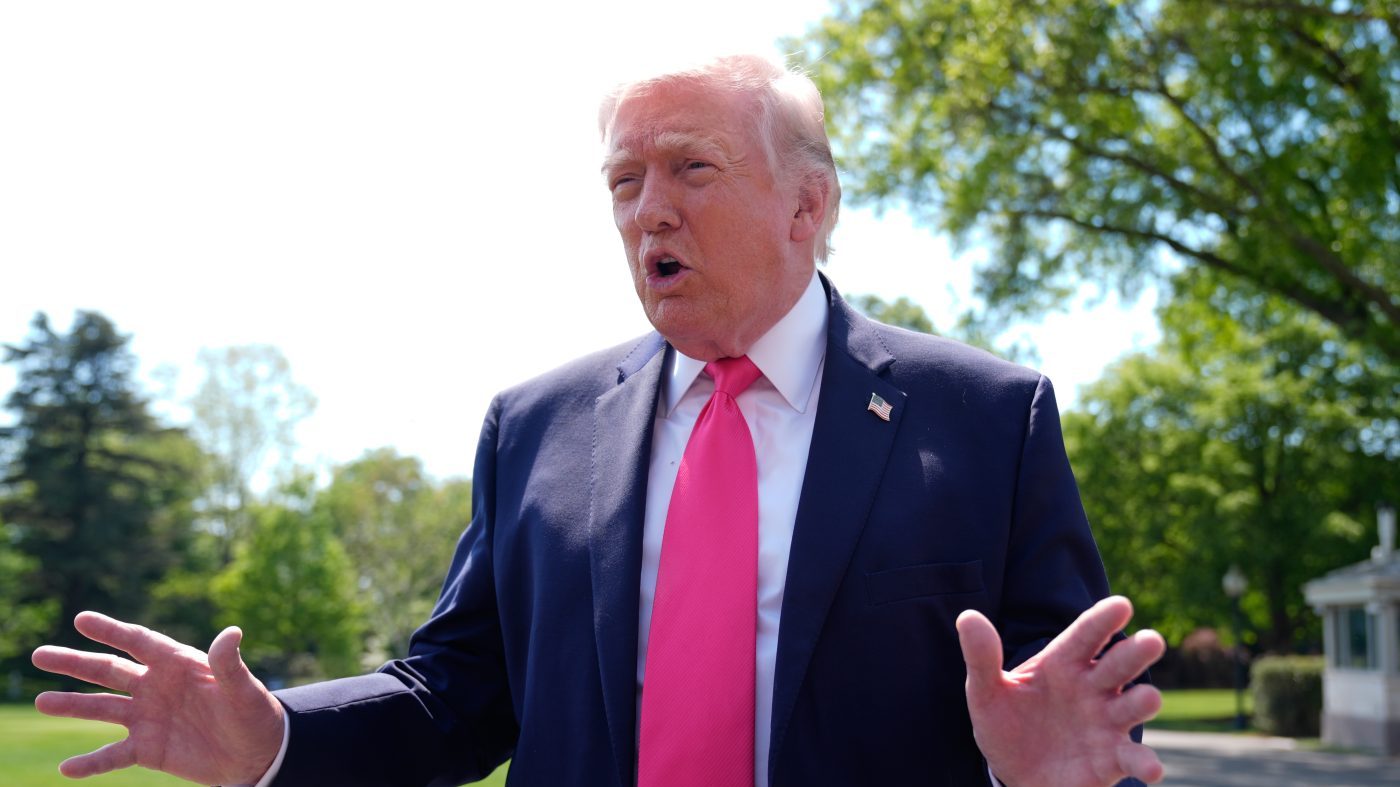
President Trump declared on Monday that a temporary ceasefire with Iran will almost certainly expire this week if the two nations fail to reach a comprehensive peace agreement. In an interview with Bloomberg, Trump said it is "highly unlikely" he would extend the truce beyond Wednesday evening, Washington time.
The president's remarks set a firm deadline for diplomatic efforts that began after he announced the ceasefire on April 7. That announcement followed threats from Trump to authorize strikes on Iranian civilian infrastructure, accompanied by a stark warning that a "whole civilization will die" in Iran if hostilities escalated.
Delegation Departs Amid Stalled Talks
The comments arrive as a high-level U.S. delegation prepares to travel to Islamabad, Pakistan, for a second round of talks. White House Press Secretary Karoline Leavitt confirmed that Vice President Vance will lead the delegation, which will also include U.S. envoy Steve Witkoff and the president's son-in-law, Jared Kushner. The team's departure underscores the administration's push for a resolution, even as Trump publicly downplays any urgency.
On his Truth Social platform, Trump dismissed the notion he faces pressure to secure a deal. "I am under no pressure whatsoever, although, it will all happen, relatively quickly!" he wrote. He framed the negotiations as a final reckoning, stating the goal was to "straighten out the MESS that other Presidents let happen because they didn’t have the Courage or Foresight to do what had to be done with respect to Iran."
Naval Blockade and Iranian Objections
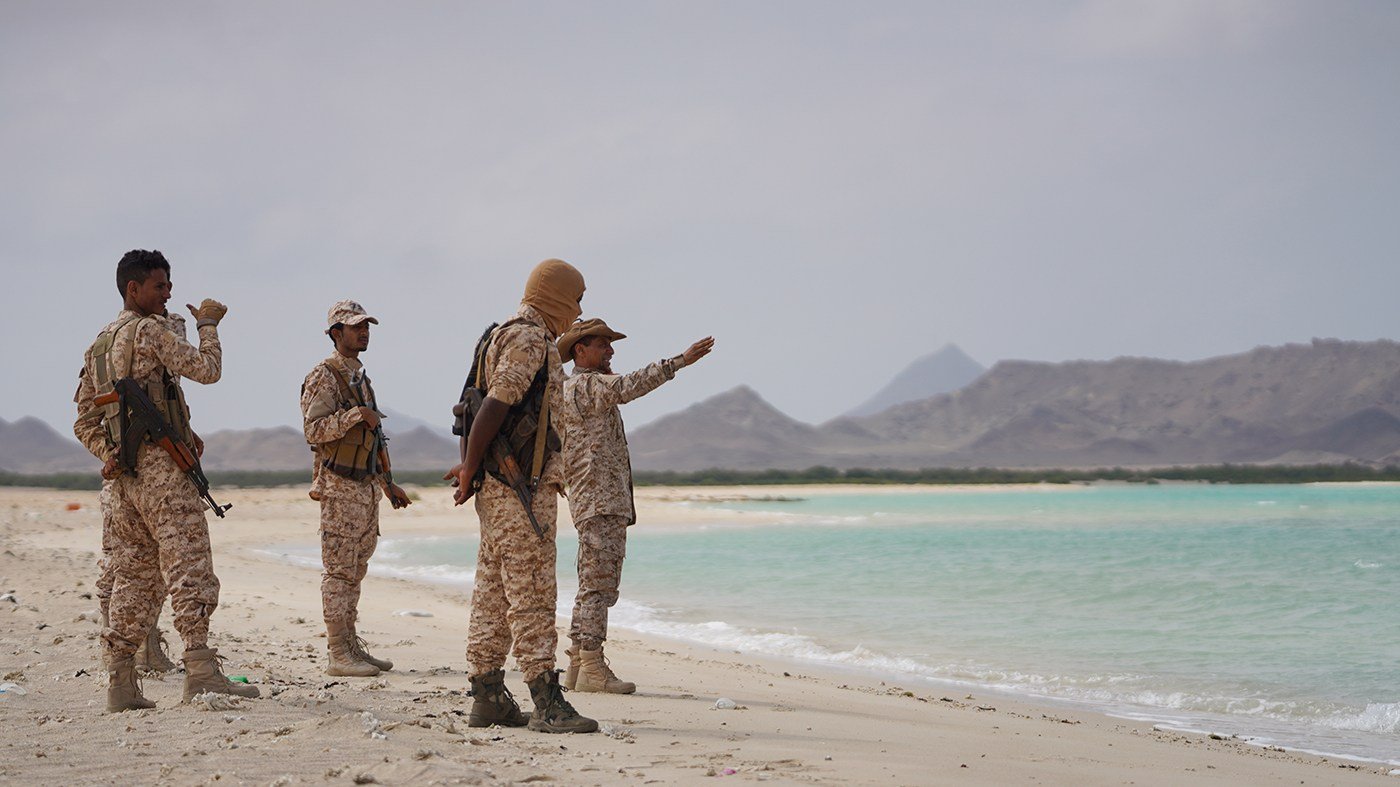
Trump reiterated to Bloomberg that the U.S. Navy's blockade of the strategic Strait of Hormuz will remain in place "until a deal is signed." The blockade, initiated on April 13, has led to multiple confrontations. U.S. Central Command reported that naval forces intercepted an Iranian-flagged cargo ship attempting to bypass the blockade on Sunday after issuing multiple warnings. Centcom stated that since the blockade began, U.S. forces have directed 25 commercial vessels to turn around or return to Iranian ports.
Iranian officials condemned the interception as a violation of the ceasefire. Esmaeil Baqaei, a spokesperson for Iran's Ministry of Foreign Affairs, told reporters the action breached the truce and stated the regime currently has "no plans for the next round of negotiations" with the United States. Trump responded defiantly, telling Bloomberg, "I have five other ships I'll take today if I have to."
A Stance Against Rushed Diplomacy
Throughout the interview, Trump emphasized a deliberate approach, stating he is "not going to be rushed into making a bad deal" with Tehran. His central demand remains the complete abandonment of Iran's nuclear program. "We've got all the time in the world," he added, signaling a willingness to let the ceasefire lapse and potentially resume military and economic pressure. This stance aligns with criticism from some foreign policy hawks, such as former National Security Advisor John Bolton, who has previously labeled the ceasefire a strategic error.
The hardening positions from both Washington and Tehran create a narrow path for the talks in Islamabad. The outcome will have immediate ramifications for global energy markets and regional security. The administration's focus on this foreign policy challenge comes amid a busy domestic political calendar, including events like a virtual rally headlined by Trump and Speaker Johnson on a key redistricting referendum.
With the Wednesday deadline looming, the Vance-led delegation's mission appears to be a final diplomatic effort. The president's unambiguous timeline leaves little room for extension, placing the onus on Iranian negotiators to meet U.S. demands or face the resumption of a blockade that has severely constrained Iran's ability to export oil. The situation continues to test the administration's foreign policy, which has also seen internal upheavals in other projects, including a leadership overhaul at a Trump-branded Texas data center venture.