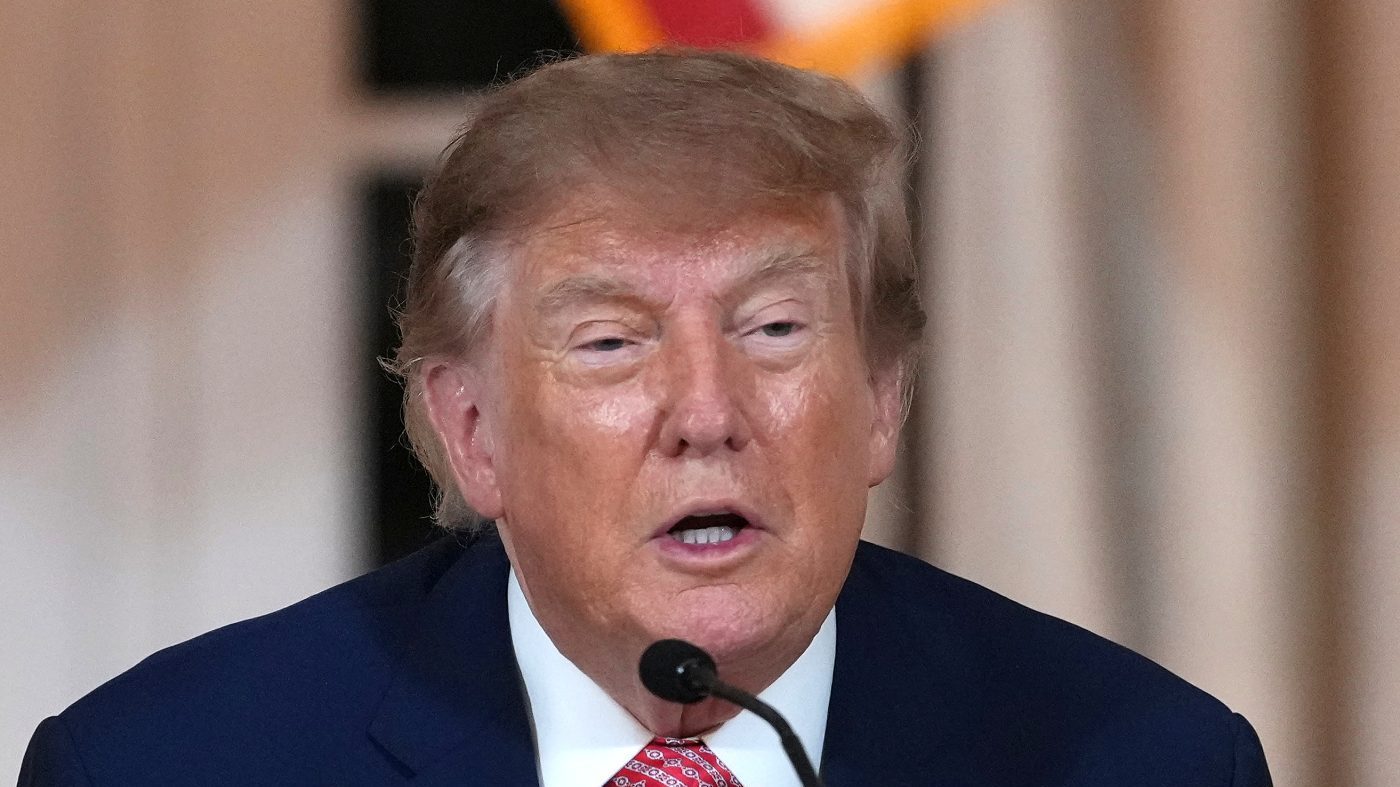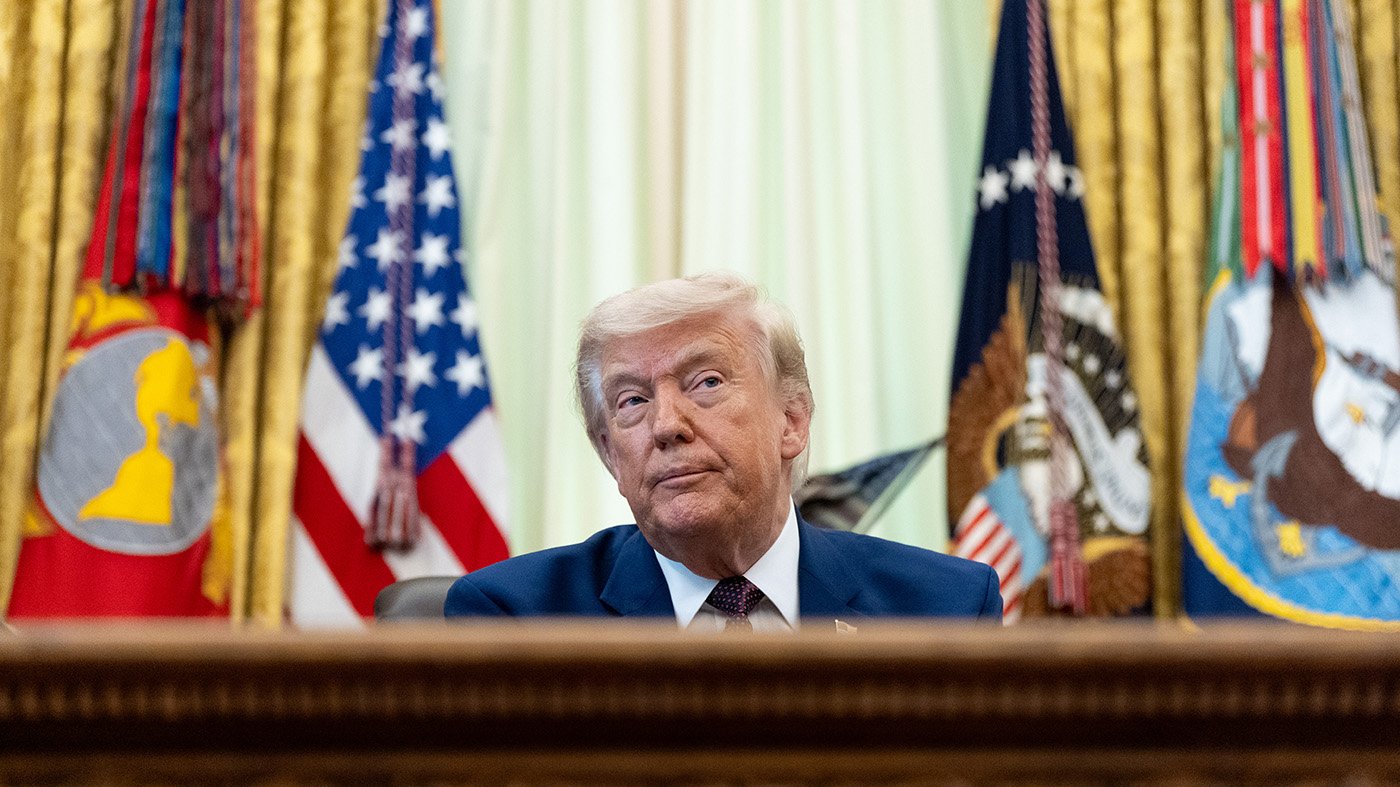
President Donald Trump indicated Thursday that he would be open to a face-to-face meeting with Iran's new supreme leader, Mojtaba Khamenei, if negotiations yield a deal to end the current conflict. Speaking in the Oval Office, Trump said, 'I don't want to meet, but if I did meet, I'd be honored to meet him. I'd like to see if we make a deal, but if we make a deal, it's possible I would meet him.' He added, 'I'd be OK with that.'
The comments came in response to a question from Fox News correspondent Peter Doocy, who asked whether there might be lingering 'hard feelings' between Trump and the new ayatollah following U.S. military strikes on Iran. The operation, dubbed Operation Epic Fury, killed Khamenei's father, former Supreme Leader Ayatollah Ali Khamenei, along with his wife and son, according to reports.
Trump acknowledged the personal stakes, saying, 'I would say I'm not his favorite person, but with that being said, he's probably a professional.' He added, 'In some circles he has a very good reputation actually.'
The president's remarks follow a separate interview on the 'Pod Force One' podcast Wednesday, where he noted that the new supreme leader is directly involved in ongoing talks. 'I think they have a lot of respect for him,' Trump said. Mojtaba Khamenei has not been seen in public since the conflict began, adding an element of mystery to his role in negotiations.
No agreement has been reached yet to end the war. Trump has maintained two non-negotiable conditions: Iran must not acquire a nuclear weapon, and the Strait of Hormuz must be reopened to international shipping. These demands form the core of any potential deal, and Trump's openness to a meeting signals a potential shift in diplomatic posture.
The possibility of a summit comes amid broader political maneuvering in Washington. Meanwhile, other administration initiatives have drawn attention, including a $700 million coal rescue package that invokes the Defense Production Act, highlighting the president's focus on energy independence. Additionally, internal GOP tensions surfaced as six Republican senators broke ranks to block a White House ballroom plan, illustrating the fractured political landscape.
Trump's willingness to engage directly with Khamenei—despite the personal and political stakes—underscores the high-stakes nature of the negotiations. Analysts note that a meeting could either pave the way for a historic détente or become a flashpoint for further controversy, depending on the terms of any deal.
For now, the president's conditional offer hangs in the balance, with the war's outcome and Iran's nuclear ambitions as the ultimate determinants. The new supreme leader's absence from public view only deepens the uncertainty surrounding his intentions and capacity to deliver on any agreement.