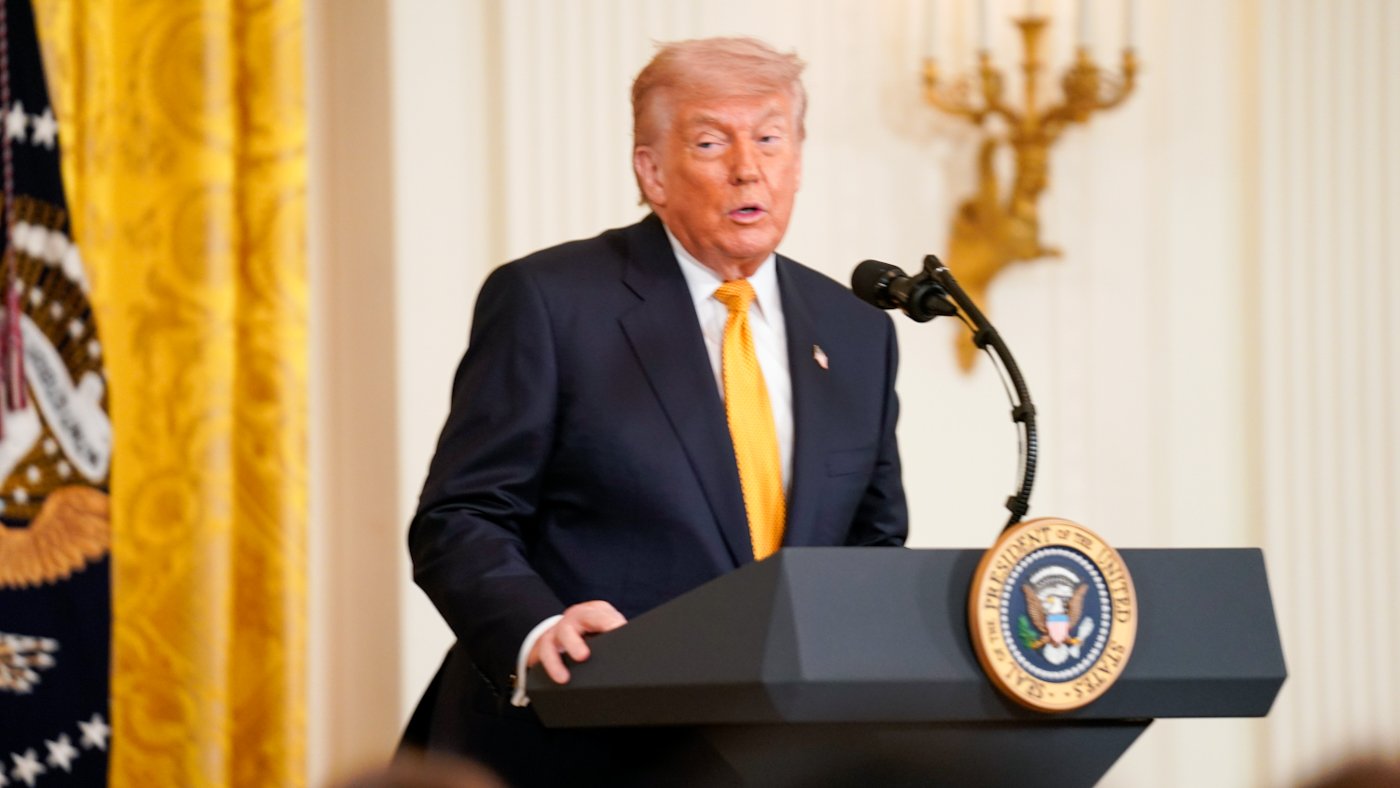
President Trump will deliver remarks from the White House on Thursday afternoon, unveiling a sweeping new push to revitalize the nation's coal industry. The centerpiece of the announcement is a $700 million investment aimed at bolstering coal power, a key plank of the administration's energy agenda.
According to details released by the White House, the president is expected to announce $185 million in grant funding from the Department of Energy to construct two new coal-fired power plants in Alaska and West Virginia, as well as to restart a shuttered facility in Maryland. The move signals a continued commitment to coal despite growing pressure from environmental groups and shifting market dynamics.
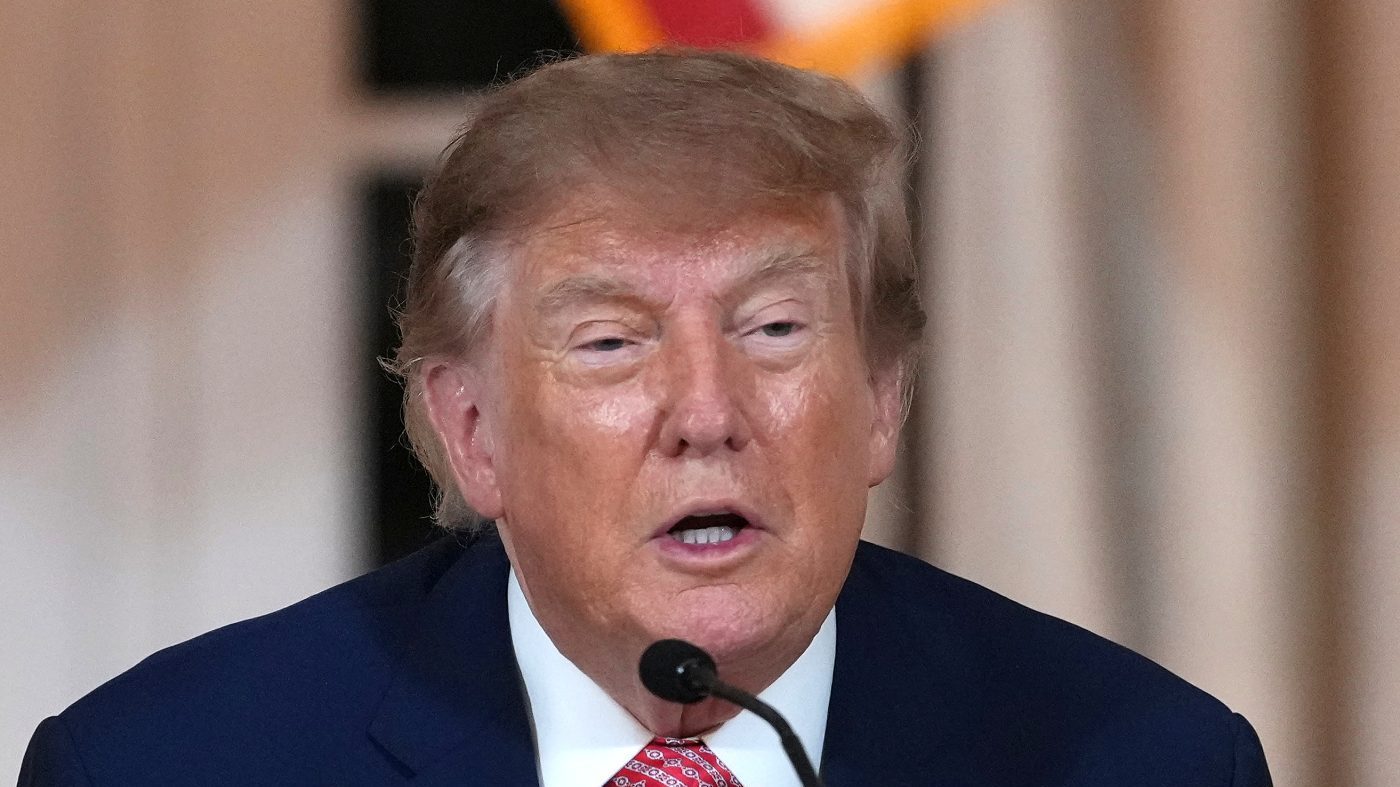
In a notable expansion of executive authority, the administration will also invoke the Defense Production Act—a wartime measure—to disburse $425 million to 13 existing coal plants across the country. An additional $75 million has been earmarked for a coal export terminal in California, a project that has drawn scrutiny from state regulators and local activists.
The event, scheduled for 3 p.m. EDT, is the latest in a series of administration efforts to prop up coal, which has faced steep declines in recent years due to competition from natural gas and renewables. Trump has long positioned himself as a defender of coal miners and energy independence, a theme that resonates strongly with his political base.
The announcement comes amid a broader push by the administration to assert control over energy policy, including recent moves to accelerate infrastructure projects and roll back environmental regulations. Critics, however, argue that the coal investments are economically inefficient and environmentally damaging, particularly as the country faces mounting climate challenges.
Republican supporters of the plan point to job creation and energy security as key benefits. Some GOP lawmakers have expressed caution about the use of the Defense Production Act, but the coal initiative has generally drawn praise from party leaders in coal-producing states.
West Virginia Senator Joe Manchin, a Democrat who has often crossed party lines on energy issues, has not yet commented on the announcement. Alaska's bipartisan congressional delegation is expected to welcome the new plant, which could provide a boost to the state's struggling economy.
The Maryland plant restart, meanwhile, has raised questions about regulatory hurdles and local opposition. State officials have not indicated whether they will challenge the federal push to revive the facility.
As the administration doubles down on coal, the broader energy landscape continues to shift. Natural gas and renewable sources now account for a growing share of U.S. electricity generation, and many utilities are moving away from coal despite federal support. The long-term viability of these new investments remains uncertain.
Thursday's announcement is likely to reignite debate over the role of coal in America's energy future, with environmental advocates vowing to fight the new plants in court and in the court of public opinion. The White House, however, is betting that the political benefits of the coal push will outweigh the economic and environmental costs.