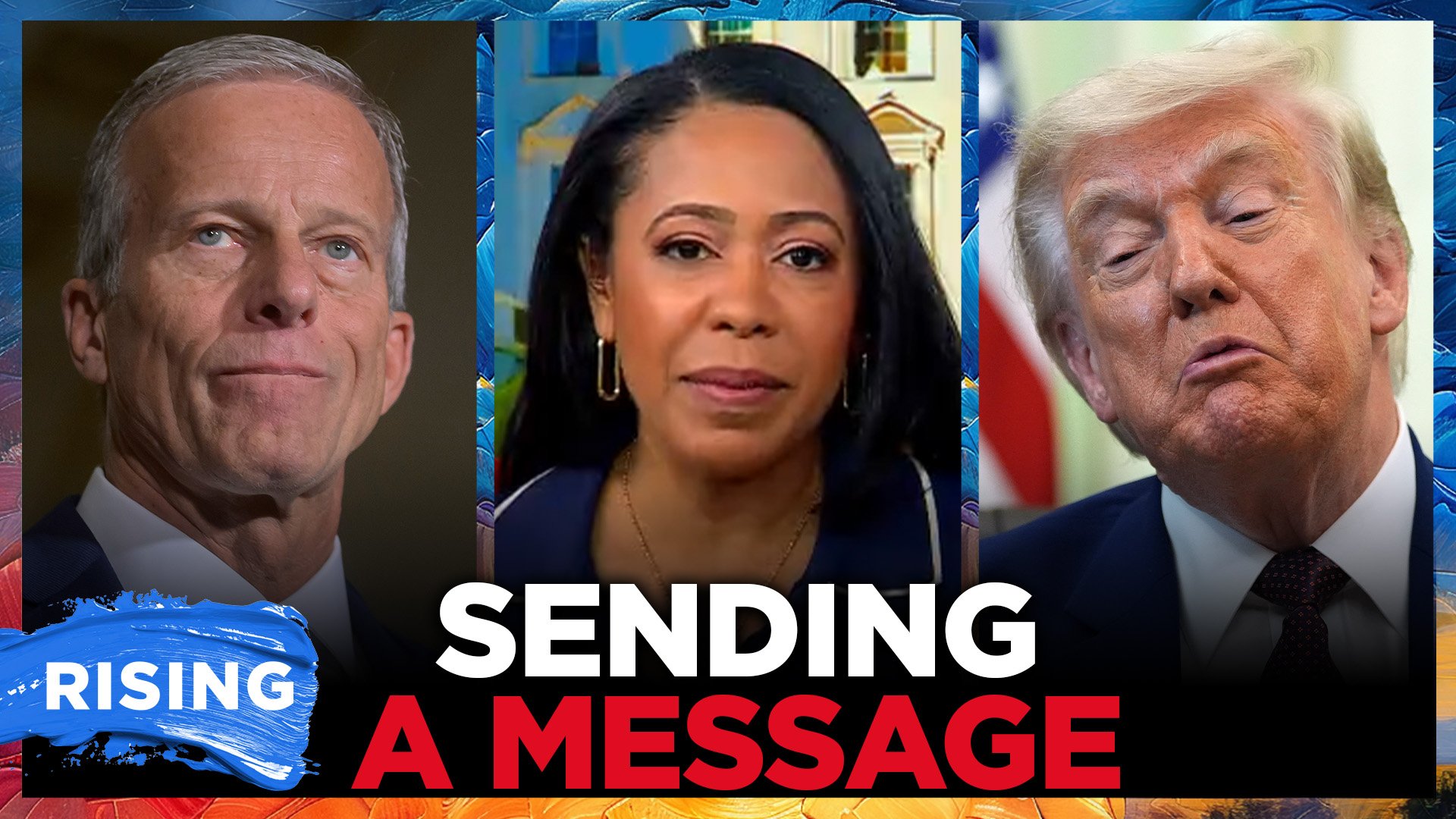
Senate Majority Leader John Thune, long seen as a cautious and loyal Republican, is increasingly voicing public disagreements with President Trump—a move that signals a subtle but significant shift in the party's internal dynamics.
Thune has supported Trump on major priorities, including tax cuts, immigration enforcement, and judicial nominations. But in recent weeks, he has drawn a line on two fronts: Trump’s choice to lead the intelligence community and a proposed fund to combat alleged government weaponization.
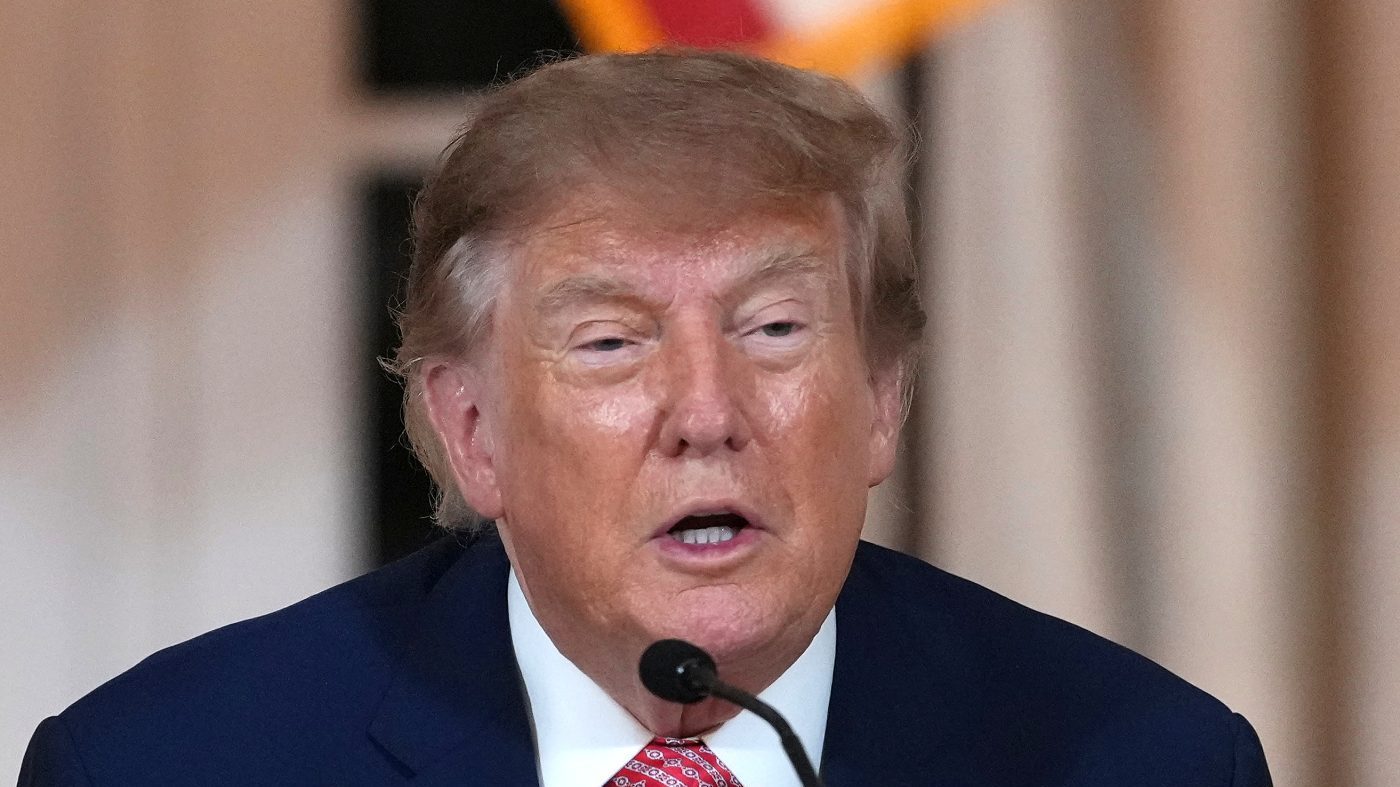
The flashpoint came when Trump named Bill Pulte as acting director of national intelligence. Pulte, a Trump loyalist with no intelligence background, has a history of targeting the president’s political adversaries. Thune told reporters, “We don’t need a weaponized DNI. We need professionals there... If he’s somebody we want in that position permanently, he’s got a lengthy road ahead of him.”
The remark is a sharp departure from the deference typically shown by GOP leaders. Thune also criticized Trump’s proposal for an “anti-weaponization” fund, calling it something that “doesn’t pass the smell test.”
This isn’t an isolated incident. Thune refused to join Trump’s call to fire the Senate parliamentarian after a ruling against the president’s agenda, noting simply that the votes weren’t there. He also openly backed Senator John Cornyn in a Texas primary before Trump endorsed Ken Paxton, and expressed disappointment when Cornyn lost.
For years, top Republicans largely avoided public clashes with Trump. But as his term progresses, some are beginning to assert institutional norms and qualifications over loyalty. Thune, while still supporting most of the president’s agenda, is increasingly willing to say what he thinks.
Trump remains popular with the GOP base, and the White House insists the relationship with Thune is strong. On major legislative fights, Republicans continue to row in the same direction. But Thune’s recent actions suggest a growing willingness among some party leaders to push back when they believe the situation calls for it.
Leadership, as Thune seems to be demonstrating, isn’t just about casting votes—it’s about knowing when to speak up.