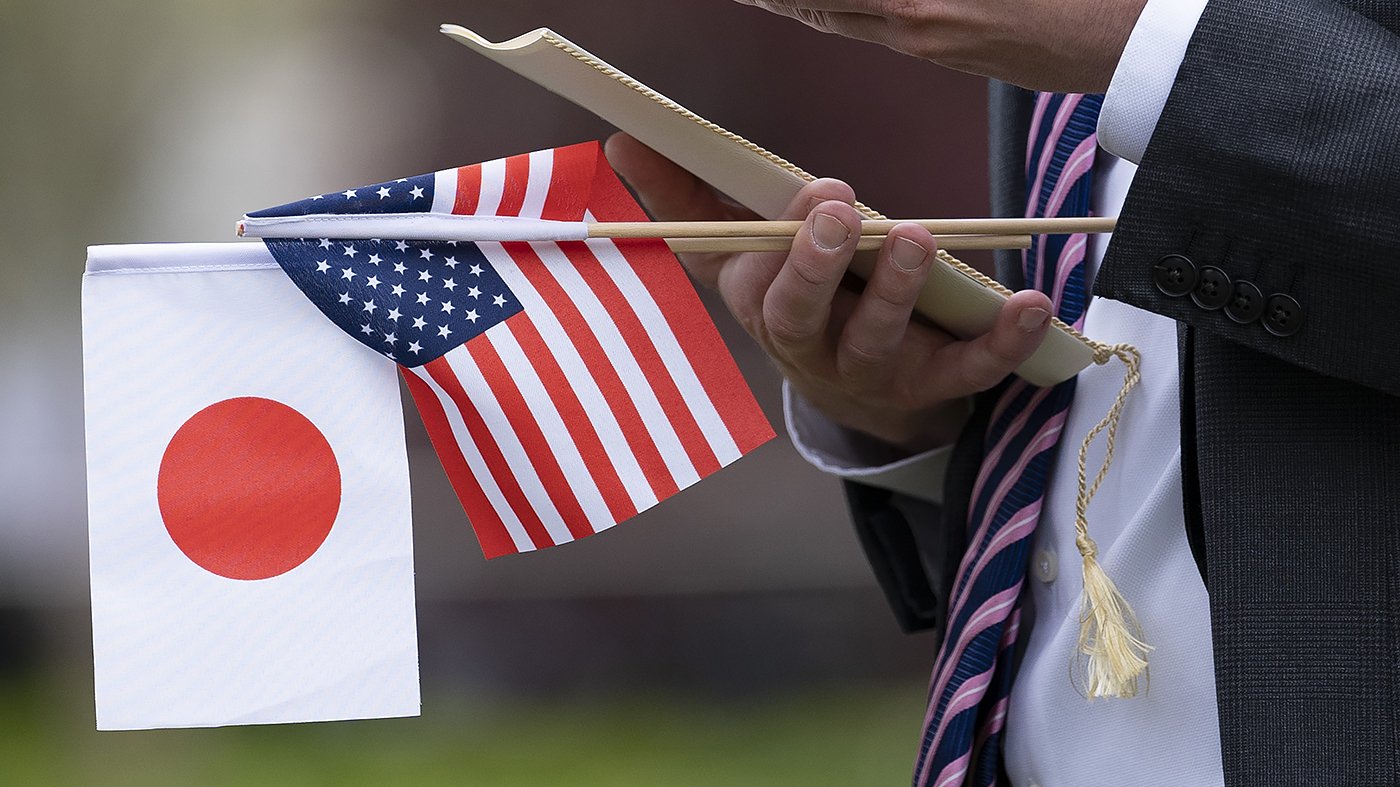
The United States and Japan have formalized a sweeping partnership on scientific research and artificial intelligence, with each nation committing $500 million to the joint venture. Energy Department Undersecretary for Science Darío Gil made the announcement Thursday, framing the collaboration as a pivotal moment for global innovation.
“This is the defining moment for the next era of science,” Gil said. “We’re linking our brightest minds and the most advanced tools, both in the U.S. and in Japan and around the world, into a cohesive engine of discovery.” The initiative is a key component of the administration’s Genesis Mission, which aims to accelerate the use of AI in scientific research.
According to a Department of Energy press release, the partnership will target breakthroughs in quantum information science, fusion energy, biotechnology, and other advanced fields. The joint funding is expected to support collaborative projects between American and Japanese research institutions, leveraging each country’s strengths in technology and innovation.
Gil hinted that the U.S. may expand such partnerships to other allied nations in the future, signaling a broader strategy to build a coalition of like-minded countries focused on scientific advancement. This approach echoes themes from recent policy discussions, including those highlighted at The Hill's Invest in America Summit, where AI and energy shifts were dominant topics.
The announcement comes amid growing global competition in AI and quantum computing, with China investing heavily in similar areas. The U.S.-Japan pact is seen as a strategic move to maintain technological leadership while fostering democratic alliances. Critics, however, have raised questions about oversight and the potential for dual-use technologies, though supporters argue the collaboration will yield significant public benefits.
In the energy sector, the focus on fusion energy aligns with recent policy debates, including a federal court's rejection of a youth climate lawsuit against Trump-era energy orders, underscoring the legal and political complexities surrounding energy innovation. The partnership also dovetails with broader efforts to modernize U.S. infrastructure and reduce dependence on foreign supply chains for critical technologies.
Lawmakers from both parties have expressed cautious optimism about the initiative, though some have called for detailed plans on how the funds will be allocated and monitored. The administration has not yet released a timeline for specific projects, but Gil emphasized that the partnership is designed to be agile and results-driven.
As the Genesis Mission unfolds, the U.S.-Japan partnership could serve as a model for future international scientific collaborations, particularly in fields where AI and advanced computing can accelerate discovery. With $1 billion on the table, the stakes are high—and the world will be watching to see if this joint effort delivers on its ambitious promises.