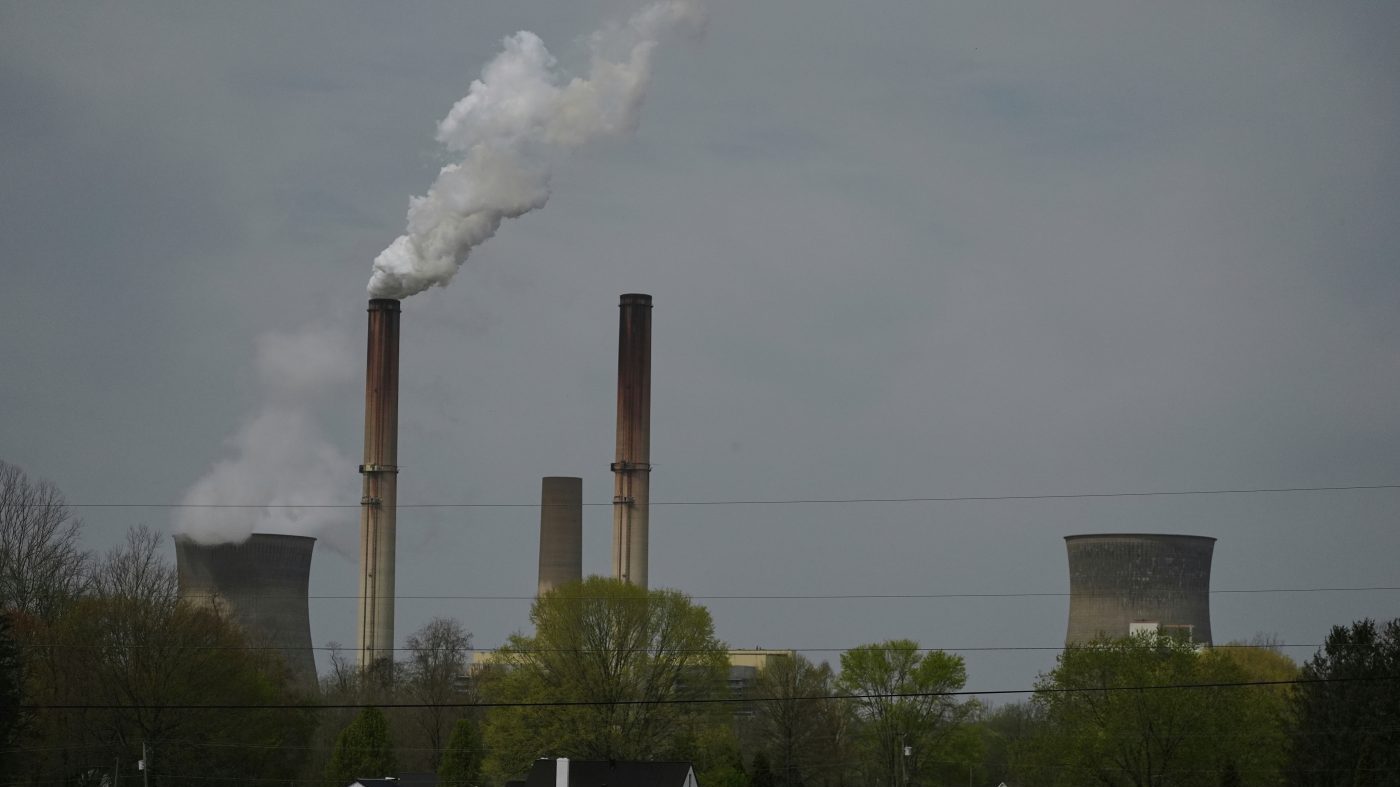
The U.S. Court of Appeals for the 9th Circuit on Tuesday dismissed a lawsuit brought by 22 young Americans who challenged President Trump's executive orders on energy policy, concluding that federal courts cannot grant the relief they seek. The unanimous panel decision effectively shuts down the legal challenge, which argued that the administration's push for fossil fuel production and rollback of climate protections endangered their health and the environment.
The ruling, written by a three-judge panel, emphasized that the plaintiffs had no right to sue under federal law. “Issuing such an injunction would effectively place one federal district court in charge of executive branch energy policy,” the judges wrote. The panel consisted of U.S. Circuit Judge Lawrence VanDyke, a Trump appointee; U.S. Circuit Judge Jennifer Sung, appointed by former President Biden; and U.S. Circuit Judge John Owens, appointed by former President Obama.
The lawsuit, filed a year ago, targeted three of Trump's executive actions: two signed on his first day in office and another from April 2025. These orders declared a national energy emergency, prioritized fossil fuel extraction, and reversed several Obama-era climate regulations. The young plaintiffs claimed these policies violated their constitutional rights and exceeded presidential authority, but the court did not address those substantive arguments.
Instead, the 9th Circuit agreed with U.S. District Judge Dana Christensen, an Obama appointee who initially handled the case, that the plaintiffs lacked legal standing. Standing requires a plaintiff to demonstrate a concrete injury that a court can remedy. The appeals court found the young Americans failed both tests, noting that “Plaintiffs can only speculate that the Executive Orders are the cause of the many agency actions they allege will exacerbate climate change.”
The decision mirrors an earlier climate lawsuit filed in 2015 by a similar group of young people against the federal government. That case was also dismissed for lack of standing, and the Supreme Court declined to hear an appeal last year. Tuesday's ruling reinforces the high bar for challenging broad executive policies in court.
This development comes amid a broader debate over judicial authority and climate policy. In a separate case, a federal judge blocked the Trump administration's move to dismantle a Colorado climate lab, showing that courts can intervene when specific agency actions are at issue. However, the 9th Circuit made clear that challenging overarching executive orders requires a more direct link between the policy and the alleged harm.
The Hill has reached out to attorneys for the plaintiffs for comment. The ruling does not preclude the young activists from pursuing other legal avenues or legislative remedies, but it closes this particular chapter in their fight against what they see as a dangerous energy agenda.