The International Atomic Energy Agency (IAEA) informed United Nations member states Thursday that its assessment of Iran's nuclear program remains largely unchanged in its first such report since the U.S.-Israeli military campaign in Iran erupted three months ago. The confidential document, reviewed by Reuters ahead of the IAEA's 35-nation board of governors meeting next week, indicates minimal deviation from pre-conflict evaluations.
The report reiterates the agency's demand that Iranian officials provide updated data on enriched uranium stockpiles, a key sticking point in ongoing negotiations. "The Director General has emphasized to Iran that it is indispensable and urgent to implement effectively the NPT Safeguards Agreement ... and that its implementation cannot be suspended by Iran under any circumstances," the report states, as quoted by Reuters.

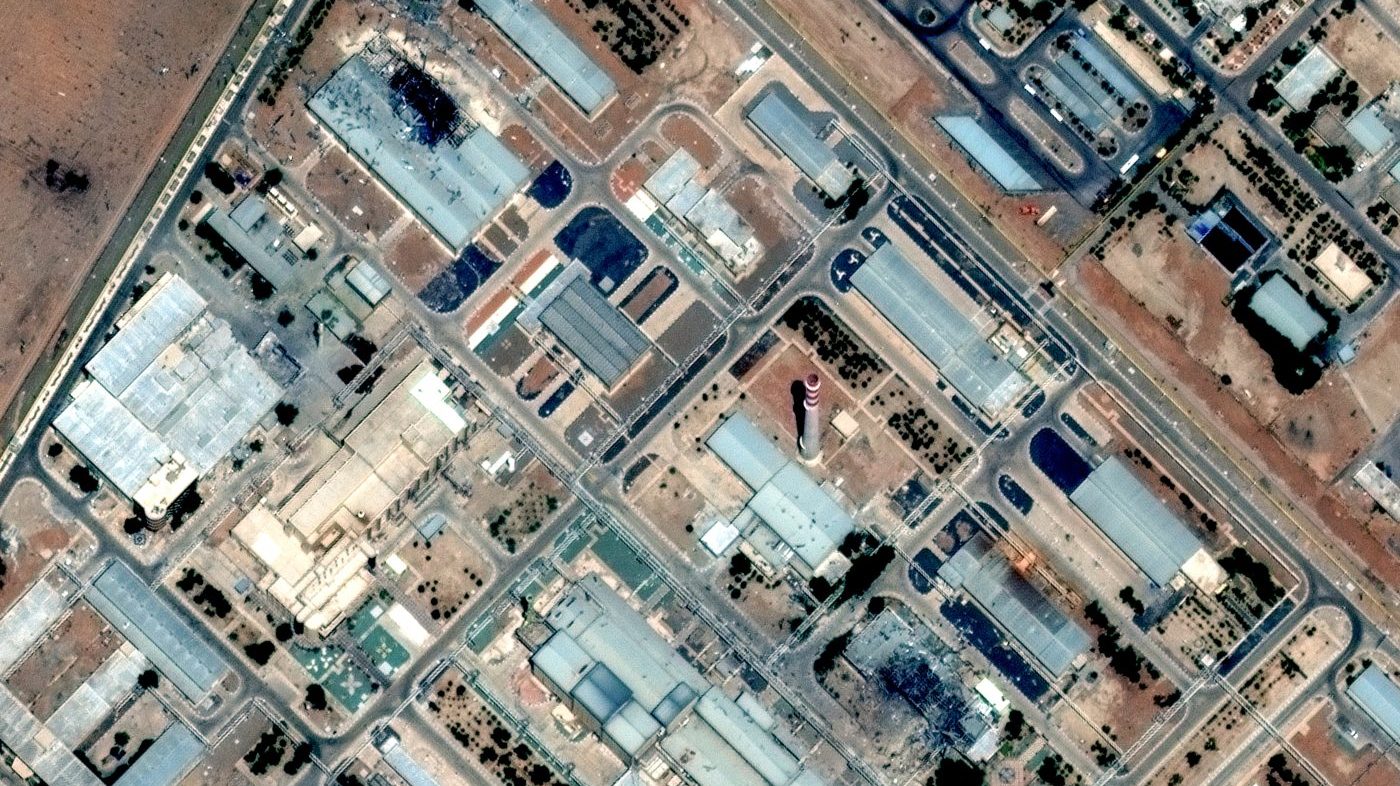
Since the initial U.S. and Israeli airstrikes on Iranian nuclear sites last June, the IAEA has been unable to return to those facilities. Iran has also failed to clarify the status of its stockpiles, raising concerns about the agency's ability to track nuclear material. "The Agency's loss of continuity of knowledge over all previously declared nuclear material at affected facilities in Iran needs to be addressed with the utmost urgency," the report warns.
Iran's nuclear ambitions have been a central driver of the conflict, with the Trump administration citing an "imminent nuclear threat" as justification for military action. The issue remains a major hurdle in ceasefire talks. Both sides have tentatively agreed to extend a fragile truce by 60 days, reopen the Strait of Hormuz, and establish a framework for broader discussions on Iran's nuclear program and stockpile fate. However, the memorandum of understanding awaits approval from President Trump and Iranian leaders.
Secretary of State Marco Rubio offered an optimistic view of U.S.-Iran negotiations during testimony before the Senate Foreign Relations Committee and a House Appropriations subcommittee on Tuesday, as reported by the Associated Press. "They have agreed to negotiate aspects of their nuclear program that just a month ago, just a year ago, they were refusing to even mention," Rubio told senators, though he acknowledged that internal instability within Iran's leadership has complicated the talks.
Vice President Vance noted last Thursday that negotiators have been "going back and forth" on certain terms, including Iran's enrichment capacity. This aligns with recent reporting that key enrichment sticking points remain as both sides approach a potential deal.
The IAEA's inability to conduct inspections underscores the broader challenges of verifying Iran's compliance amid active hostilities. The agency's demand for urgent action reflects the fragile state of nuclear safeguards in a region still reeling from conflict.
As diplomatic efforts continue, the fate of Iran's nuclear program hangs in the balance, with the IAEA report serving as a stark reminder of the gaps in monitoring and the high stakes of the negotiations.