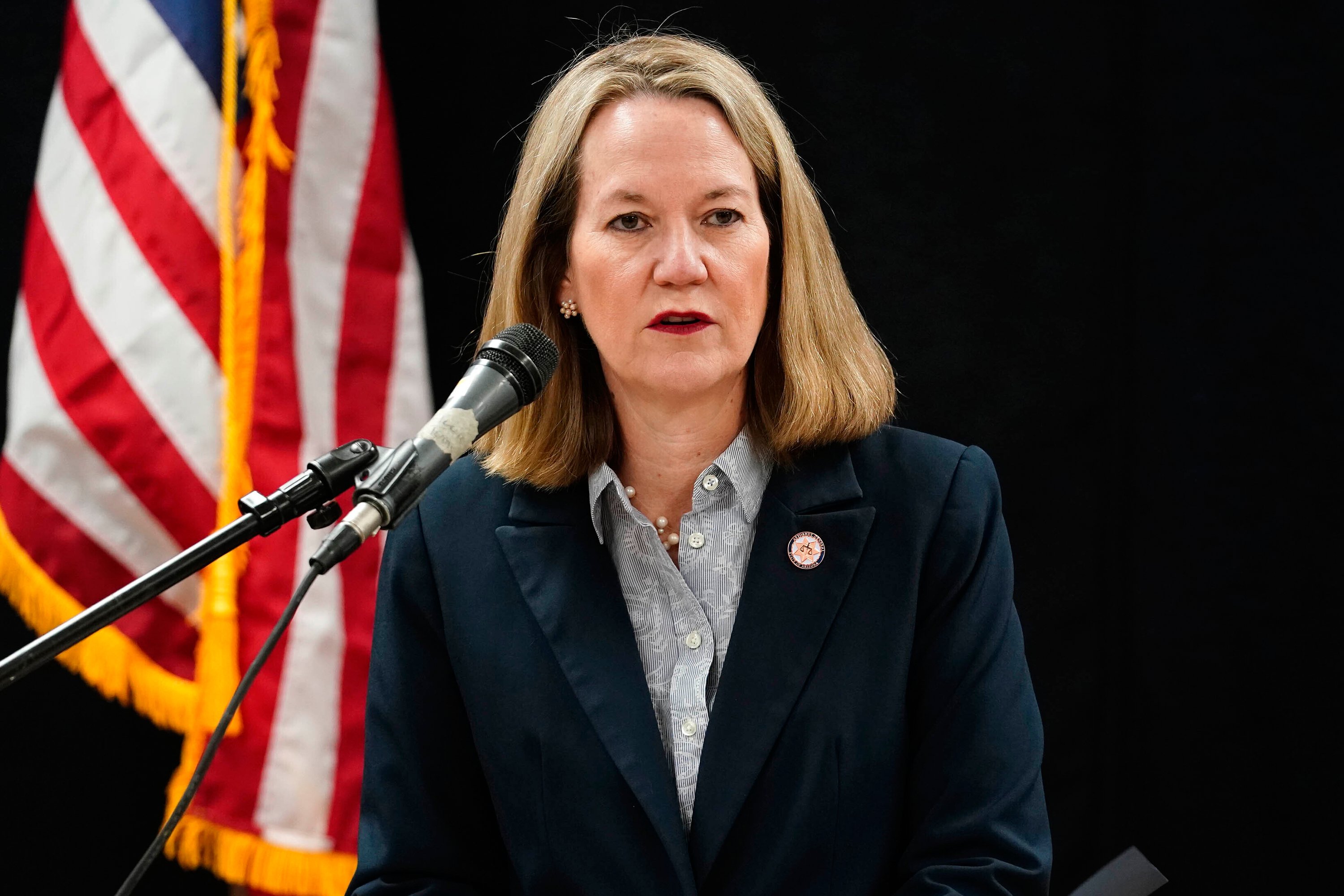
Arizona Attorney General Kris Mayes is moving to restart the prosecution of a group of purported “fake electors” after the state’s highest court declined to overturn a lower court ruling that stalled the case. Her office announced Thursday it will present the evidence to a new grand jury, signaling a continued effort to hold accountable those accused of aiding former President Donald Trump’s bid to subvert the 2020 election results.
“The Arizona Attorney General’s Office will return this case to the grand jury,” a spokesperson said in a statement, declining further comment. The decision follows the Arizona Supreme Court’s refusal to hear Mayes’s appeal of a Maricopa County judge’s order that required prosecutors to go back to square one with the grand jury process.
Background on the Fake Electors Scheme
The case centers on allegations that 18 Republican allies of Trump, including former White House chief of staff Mark Meadows and former New York City Mayor Rudy Giuliani, participated in a scheme to submit false electoral certificates claiming Trump won Arizona in 2020. President Joe Biden actually won the state by just over 10,000 votes—one of the narrowest margins nationwide. Prosecutors say the defendants signed documents purporting to be the state’s legitimate electors, part of a broader effort to overturn the election.
Last May, a Maricopa County judge ruled that the original grand jury should have been provided with a copy of the Electoral Count Act, an 1887 law central to the defense’s argument. That law outlines procedures for counting and certifying electoral votes. The judge’s order forced Mayes to restart the process, a setback she vowed to challenge.
“An independent grand jury of ordinary Arizonans found that there was sufficient cause to charge the defendants with the alleged crimes,” Mayes said in November, announcing her appeal. “These defendants were charged based on two things: the facts and the law.”
Broader Context and Related Cases
Three defendants have already resolved their cases, including one Republican activist who pleaded guilty to a misdemeanor charge of filing a false document in August 2024. Similar fake elector cases were brought in Georgia, Michigan, Nevada, and Wisconsin, but not all remain active. A federal judge in Michigan dismissed charges against 15 defendants last September, and the Georgia case—where Trump himself was a defendant—was dropped after Fulton County District Attorney Fani Willis was disqualified due to a romantic relationship with the special prosecutor she hired.
The Arizona developments come amid a volatile political landscape. Meanwhile, Trump’s potential pick for attorney general has drawn scrutiny, and Illinois senators are demanding an interim US attorney resign over a botched case. The fake elector saga remains a flashpoint in the broader debate over election integrity and accountability.
As Mayes prepares to take the case back to a grand jury, the outcome could set a precedent for how states handle election subversion allegations. For now, the legal battle continues, with the Arizona Supreme Court’s refusal to intervene leaving prosecutors to rebuild their case from the ground up.