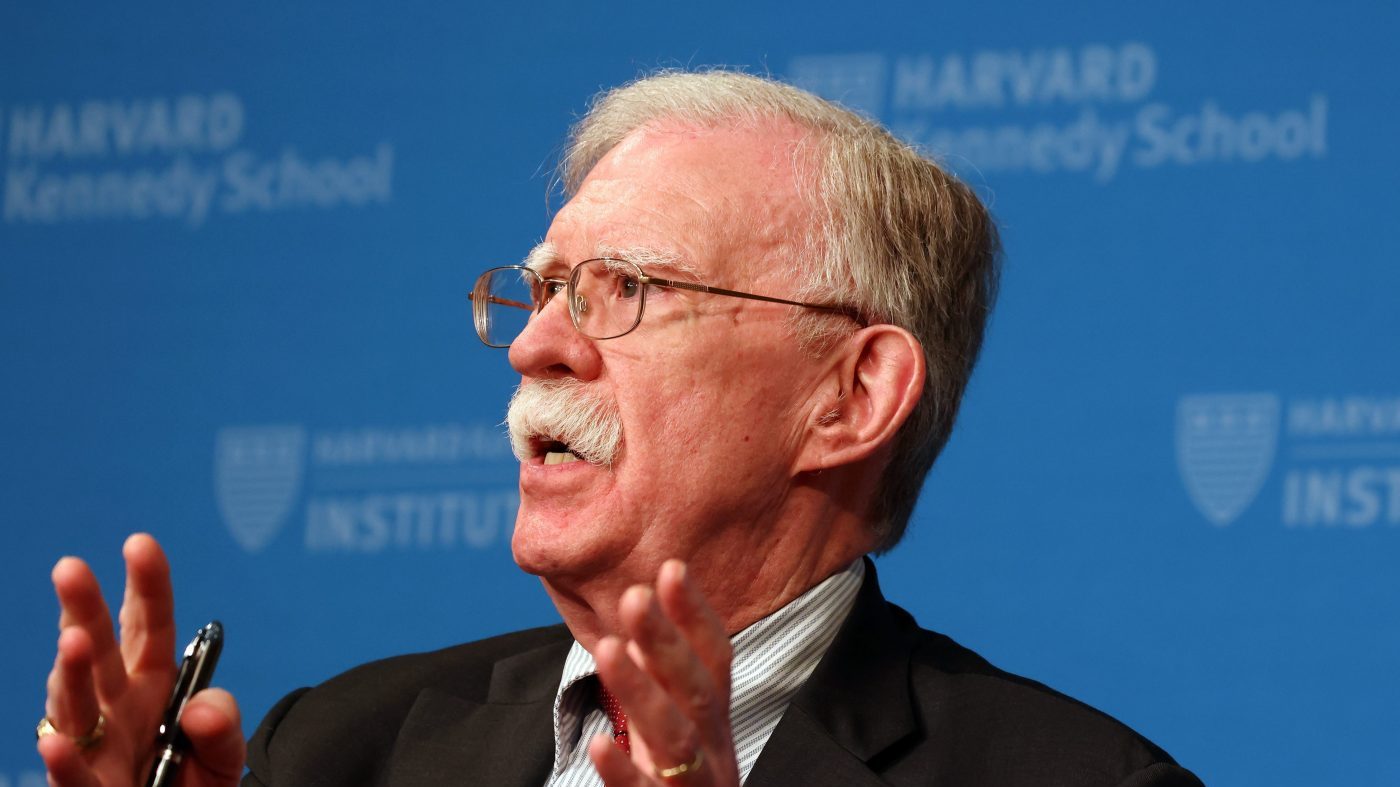
Former National Security Adviser John Bolton has publicly condemned the two-week ceasefire between the United States and Iran, labeling the diplomatic pause a significant strategic error that provides Tehran with valuable time to bolster its military position. In a Sunday interview, Bolton argued the temporary halt in hostilities serves only to aid Iranian recovery and preparation for further conflict.
Ceasefire Provides 'Breather' for Iranian Forces
"I think it was a mistake to have the ceasefire," Bolton stated during his CNN appearance. "They've got now a two-week breather where they're doing what they can to recover, regroup, get ready for the next phase of the war. We never should have let up on them." The ceasefire, involving the U.S., Israel, and Iran, is set to expire within days as the Biden administration attempts to secure a more durable peace agreement.
The fragile truce began with Iran reopening the critical Strait of Hormuz and presenting a ten-point peace proposal to American officials. However, Tehran subsequently re-closed the strategic waterway, citing Israeli attacks on Lebanon and the U.S. naval blockade as justification for this reversal. The U.S. Navy has redirected 27 vessels since the blockade implementation, according to Central Command.
Negotiations in Peril as Deadline Approaches
With the ceasefire deadline looming, diplomatic efforts appear increasingly strained. Vice President Vance, special envoy Steve Witkoff, and Jared Kushner are scheduled to travel to Islamabad Monday for a second round of talks with Iranian representatives. Tehran, however, has declared it has "no plans for the next round" of negotiations, pointing to both the ongoing Strait blockade and Sunday's seizure of an Iranian cargo ship as disruptive actions.
President Trump has threatened to resume military strikes against Iran if no agreement is reached, telling the New York Post the U.S. is "loading up the ships with the best weapons ever made" for potential "complete decimation." This heightened military rhetoric coincides with Bolton's criticism of the administration's negotiation team composition, suggesting Secretary of State Marco Rubio should lead talks instead of the vice president and what he termed "civilian volunteers."
Bolton Questions Presidential Motives
Bolton further questioned the strategic rationale behind White House decisions, suggesting domestic political calculations are overshadowing national security interests. "I don't think the president's making geostrategic decisions, I think he's making domestic, political decisions," Bolton asserted. He added that Iranian leadership likely perceives American desperation, stating, "I think they smell panic in the White House. I think they can see Trump wants out of this, he's broadcasting it almost everyday, and it gives the Iranians enormous leverage they shouldn't have."
The former adviser's comments arrive amid broader scrutiny of administration decision-making processes, including recent controversies over military operational awareness. As the ceasefire expiration approaches without clear diplomatic progress, the region faces renewed potential for escalation, with both sides positioning military assets and hardening rhetorical stances.
International observers, including religious leaders advocating for peaceful resolution, watch cautiously as the United States balances forceful posturing with last-minute diplomatic outreach. The coming days will determine whether negotiations can salvage the temporary truce or whether the region will witness renewed hostilities with global economic and security implications.