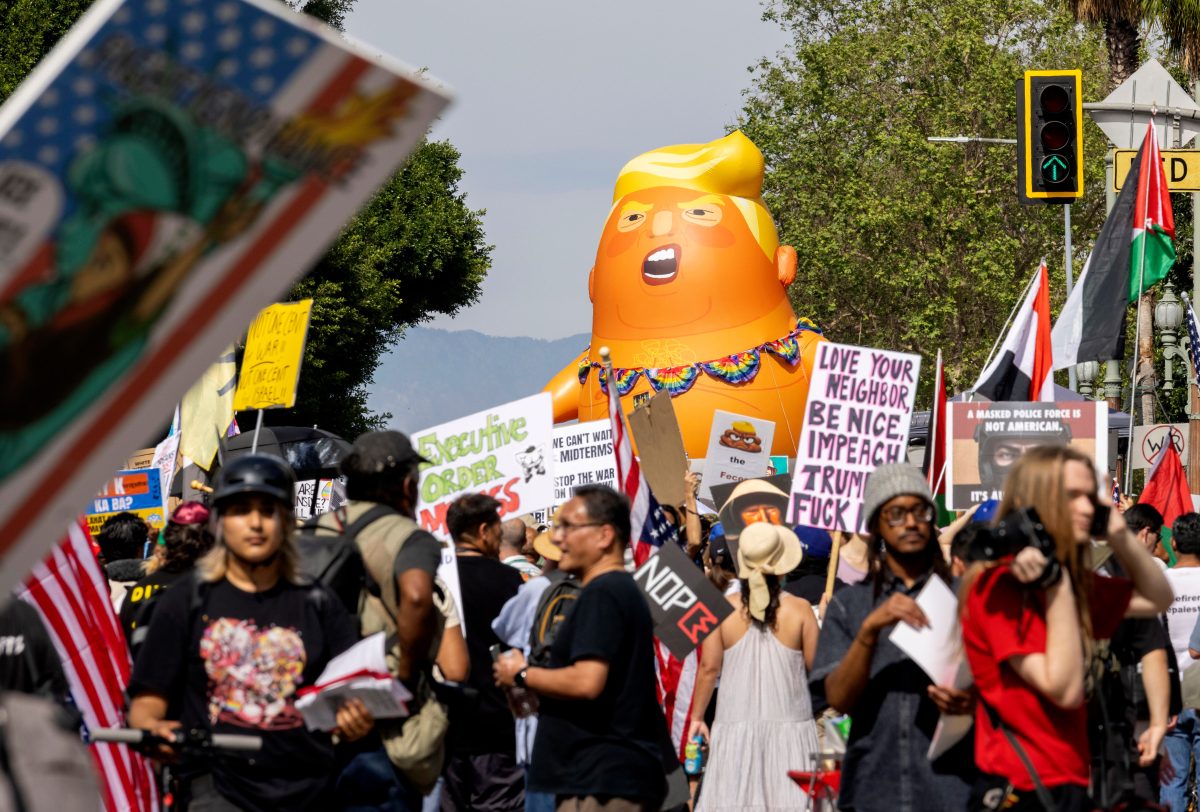
More than two months after the last wave of "No Kings" protests drew millions across the country, organizers are gearing up for a different kind of action on June 14. Instead of massive street rallies, the coalition is urging supporters to gather in living rooms, community centers, and local businesses for watch parties—a tactical pivot as the movement eyes the upcoming midterm elections.
The June 14 date is no coincidence. It falls on President Trump's birthday, and the White House is planning a UFC fight night on the South Lawn as part of America's 250th anniversary celebrations. The No Kings Coalition, in partnership with the Committee for the First Amendment, is framing its event as a counterpoint. "While the President attempts to distract the country with his UFC cage fight spectacle, the No Kings movement will be gathering ... for public and private watch parties in key cities and rural communities alike," a press release states.
March's protests marked the third round of demonstrations since Trump took office, with more than 3,000 events and millions of attendees. Previous rallies in June and October 2025 drew over 5 million and 7 million participants, respectively, according to organizers. But the June 14 event will be less about visible protest and more about strategy. Organizers say it "will serve as a critical opportunity for No Kings supporters to strategize, connect with local organizers, and prepare for the ongoing fights ahead of the midterm elections."
The centerpiece is "Rise Up, Sing Out: A Concert for the First Amendment", a 90-minute event at The Town Hall in New York City headlined by Bette Midler, Patti Smith, and Jane Fonda. The concert aims to "celebrate the freedoms guaranteed by our First Amendment ... and the people power that both fuels these rights and is essential to guarantee them." Watch parties are being scheduled nationwide to stream the event, with several already confirmed in and around Los Angeles, Chicago, Dallas, and San Francisco.
The shift to watch parties reflects a broader recalibration among anti-Trump activists. With the midterms approaching, the No Kings movement is focusing on building local infrastructure and voter mobilization rather than headline-grabbing rallies. This comes amid a turbulent political landscape, including Trump's first major primary defeat of 2026 and ongoing battles over Medicaid work requirements that could affect millions.
The Committee for the First Amendment, relaunched last year, is positioning the concert as a celebration of democratic rights. But critics may question the effectiveness of watch parties versus mass protests. Organizers argue that the midterm stakes demand a more targeted approach. "This isn't about just showing up," one organizer said. "It's about building the networks we need to win in November."
Meanwhile, the Trump administration's immigration crackdown and foreign policy moves—such as the IAEA's assessment of Iran's nuclear program—continue to fuel opposition. The No Kings movement, which began as a response to Trump's policies, has evolved into a broad coalition focused on defending democratic norms and civil liberties.
For now, the movement is betting that smaller, more intimate gatherings will build the grassroots energy needed for the midterms—even if the crowds are less visible than the millions who marched in March.