President Trump suffered his first significant statewide primary loss of the 2026 midterm cycle on Tuesday, as businessman Zach Lahn narrowly defeated Rep. Randy Feenstra in Iowa's Republican gubernatorial primary. The upset came despite Trump's late endorsement of Feenstra, underscoring fractures within the GOP coalition.
Lahn beat Feenstra by less than one percentage point, according to unofficial results. Feenstra conceded the race Tuesday night, telling supporters, “You gotta carry this torch. We gotta keep this state red. We gotta make sure you beat Rob Sand. I’m all in to help him out.” The congressman added, “We are going to make sure that we have him as the next governor.”

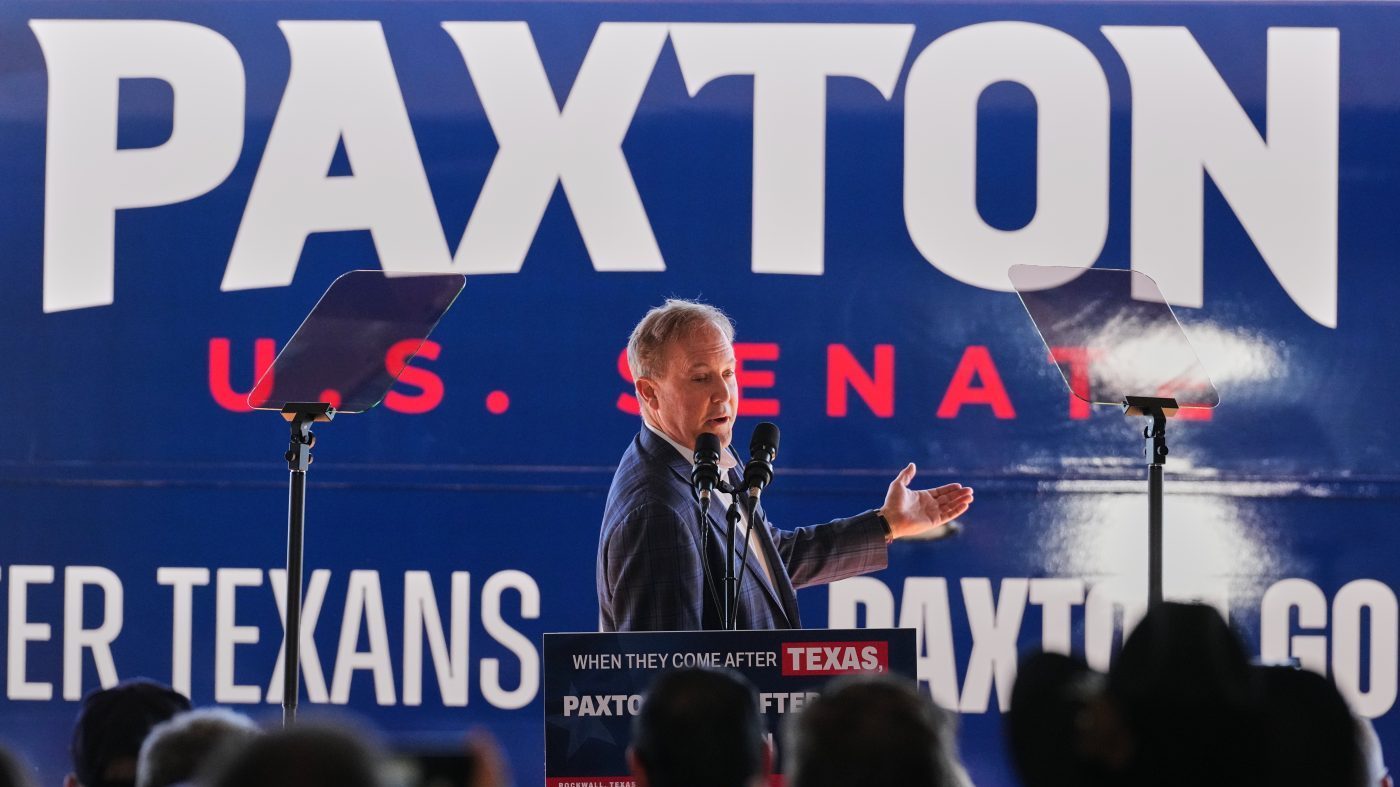
The loss marks a rare blemish on Trump’s primary endorsement record this cycle. Most of his backed candidates have prevailed, including Rep. Julia Letlow in Louisiana, who defeated incumbent Sen. Bill Cassidy, and Texas Attorney General Ken Paxton, who ousted Sen. John Cornyn. Trump also successfully backed challengers to several Indiana state lawmakers who opposed his redistricting push earlier this year.
Trump formally endorsed Feenstra less than a week before the primary, calling him “MAGA all the way!” in a TruthSocial post. However, Feenstra struggled to unify the party’s conservative base, which largely rallied behind Lahn. Lahn drew support from Trump allies such as the MAHA Pac and Turning Point Action, groups that have often aligned with the former president but broke with him on this race.
The outcome highlights tensions between Trump’s Washington-based endorsements and the grassroots energy that has fueled his movement. Lahn’s campaign successfully framed himself as an outsider, while Feenstra, a four-term congressman, was painted as a creature of the establishment despite his Trump backing.
Iowa’s primary also sets the stage for a closely watched general election. Lahn will face Democratic state Attorney General Rob Sand in November. The Lahn-Sand matchup is expected to be one of the most competitive governor races in the country, with both parties eyeing the state as a potential pickup. The Cook Political Report recently moved the Iowa Senate race to “Lean Republican” after another primary outcome, but the governor’s race remains a toss-up.
Feenstra’s defeat also reverberates beyond Iowa. It signals that Trump’s endorsement is not a guaranteed ticket to victory, particularly when local dynamics and candidate quality come into play. The president’s team will likely reassess its primary strategy ahead of the 2028 cycle.
Meanwhile, Lahn’s victory is a boost for the anti-establishment wing of the GOP, which has sometimes clashed with Trump’s endorsed picks. The businessman now must pivot to a general election where Democrats see an opening. Sand, a two-term attorney general, has built a moderate profile and will try to peel off suburban Republicans dissatisfied with the party’s direction.
Iowa has been a battleground for Republican factions, and this primary shows the party remains divided even as Trump dominates the national conversation. The Senate race shift and the governor’s primary suggest that while Iowa is still red, the margins are thin and the coalition is fragile.