The D.C. Circuit Court of Appeals issued a split decision Friday, allowing the U.S. Postal Service to move forward with proposed changes to how it handles mail-in ballots, even as legal battles continue. However, President Trump's broader executive order on election mail remains blocked in more than 20 states because of a separate court order out of Boston.
A three-judge panel unanimously overturned a district judge's injunction that had prevented USPS from restricting delivery of ballots that lack eligible voter lists. The appellate judges ruled that the Postal Service had made a "strong showing" that the rule was not yet ripe for judicial review and fell outside a prior settlement with the NAACP.

The panel emphasized that delaying implementation until after the November midterms would cause "irreparable harm" to the agency, noting there "can be no do over" once the election passes. The ruling allows USPS to finalize and enforce the policy for the upcoming elections, pending further litigation.
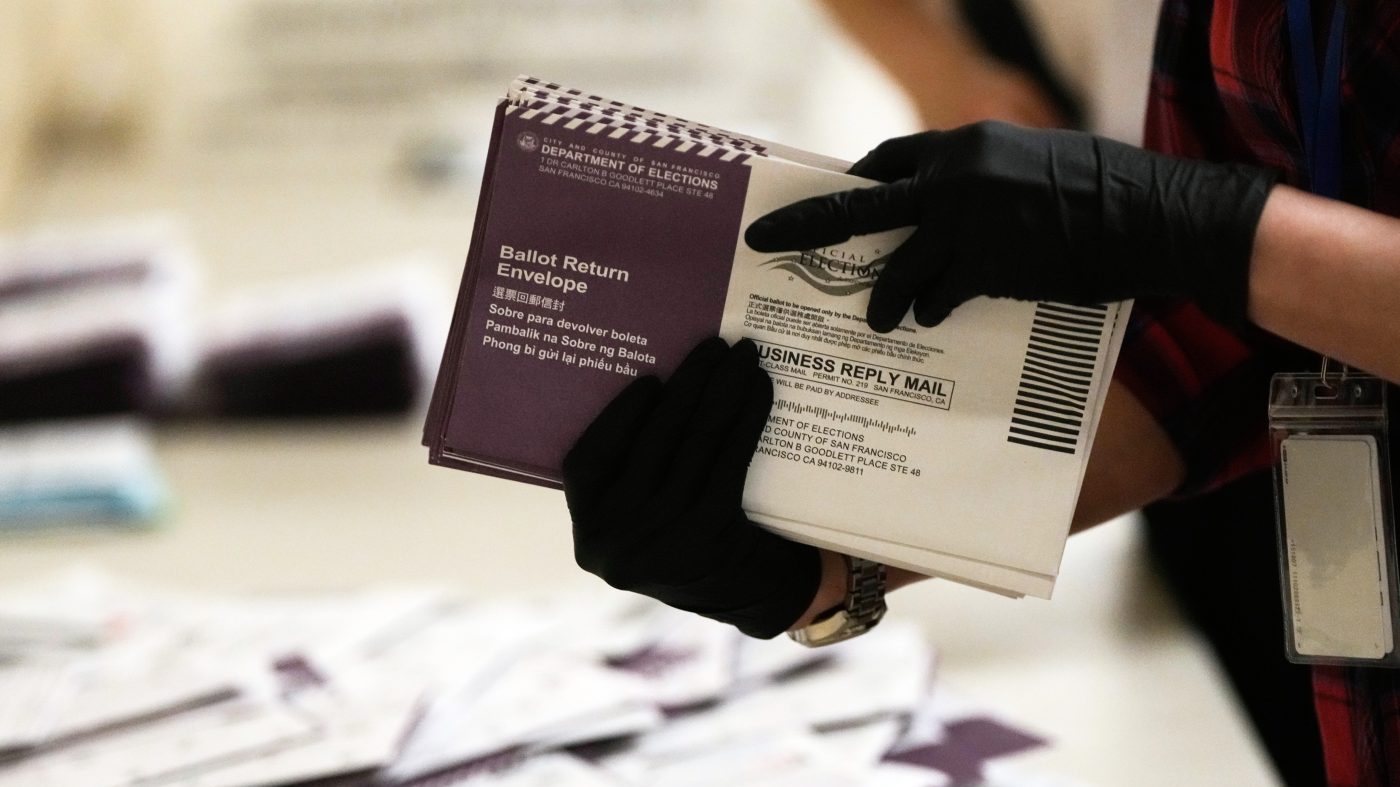
Postmaster General David Steiner told lawmakers earlier this month that the agency would refuse to deliver mail-in ballots to states that do not share sensitive voter data with the Trump administration, framing it as a measure to ensure "the right ballots are going to the right people." The policy stems from a March executive order that directed USPS to propose a final rule by August 3.
Legal and Political Context
The NAACP sued in late June, arguing the proposal violated a December 2021 settlement requiring USPS to "prioritize monitoring and timely delivery of election mail" through 2028. District Judge Emmet G. Sullivan agreed, writing in July that Trump's order was "designed to exert federal control over who in the United States may be sent a mail-in or absentee ballot."
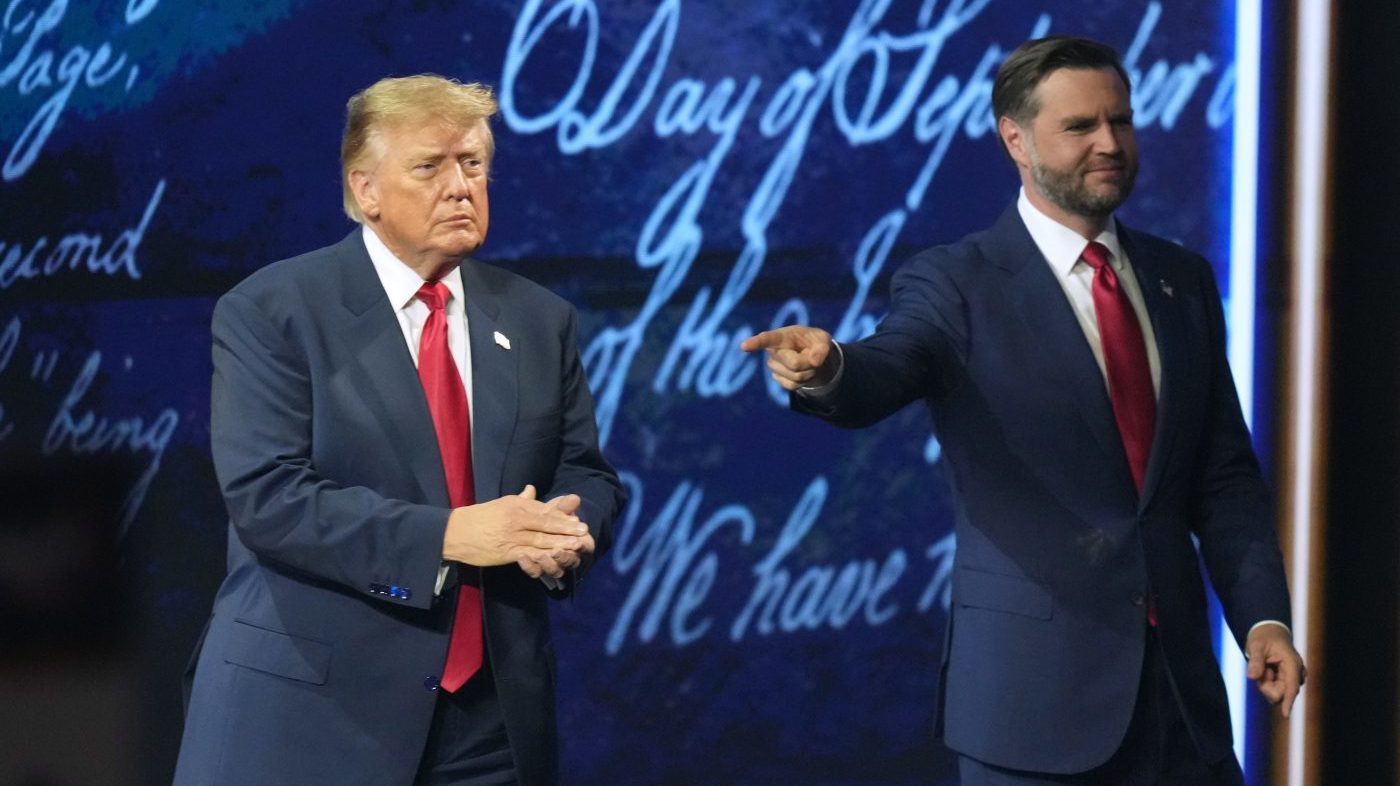
Friday's appeals court ruling is a tactical win for the Trump administration, which has long sought to tighten rules around mail-in voting. Trump and his allies have repeatedly blamed the practice for voter fraud, despite a lack of supporting evidence, as seen in released documents that showed no new proof of fraud.
But the president's executive order remains blocked in nearly two dozen states due to a late July ruling by Boston-based District Judge Indira Talwani. She found that the directive infringed on states' constitutional authority to regulate elections and that efforts to remove individuals from voter rolls were unconstitutional.
The conflicting rulings highlight the fractured legal landscape surrounding election administration. Trump has continued to press his claims, including unsubstantiated allegations of Chinese voter data theft, while critics argue the policy is an attempt to suppress turnout.
With the midterms approaching, the appeals court's decision gives USPS a green light to implement changes, but the Boston injunction limits the order's reach. Further appeals are likely, and the case could eventually reach the Supreme Court.