The Trump administration released a sweeping new regulation Monday that will force states to implement strict work requirements for Medicaid beneficiaries, a move that patient advocates warn could strip coverage from millions of low-income individuals with serious illnesses.
The rule, which applies to 42 states and the District of Columbia, is the operational blueprint for the work mandates included in the One Big Beautiful Bill Act. Republican lawmakers and administration officials have touted the policy as a crackdown on waste, fraud, and abuse in the $800 billion program. But critics argue it will create insurmountable bureaucratic hurdles for those who can least afford them.
Narrow carve-out for the 'medically frail'
While the law carved out an exemption for people deemed “medically frail,” the new rule defines that term in a way that ties it directly to a person's ability to work. Under the rule, only those whose condition “significantly impairs” their ability to meet the 80-hour monthly work, volunteering, or training requirement will qualify. The phrase “significantly impair” does not appear in the underlying statute.
“The exemption ensures that work expectations are directed towards those who can participate while protecting those who cannot,” said Dan Brillman, the Trump administration's Medicaid director.
But healthcare experts say the standard is far more restrictive than what states had anticipated. “We do not believe it is reasonable to categorically consider conditions as serious or complex without factoring in criteria such as the severity of the condition,” the Centers for Medicare and Medicaid Services (CMS) wrote in the rule.
Kinda Serafi, a Medicaid expert at Manatt Health, explained the practical impact: “Now it's not going to be enough that you're in active cancer treatment, or that you have multiple sclerosis, that your diagnosis says as much. Now it has to be a two-step process that you are in active cancer treatment, and the active cancer treatment is prohibiting you from meeting the work requirements of 80 hours a month.”
Self-reporting allowed temporarily
During the first year, states may let beneficiaries self-attest to qualifying for an exemption on their renewal forms. But that flexibility is temporary, designed to give states time to build verification systems. After that, states must use claims data and other records to confirm exemptions, and patients will have to provide documentation if the state lacks data.
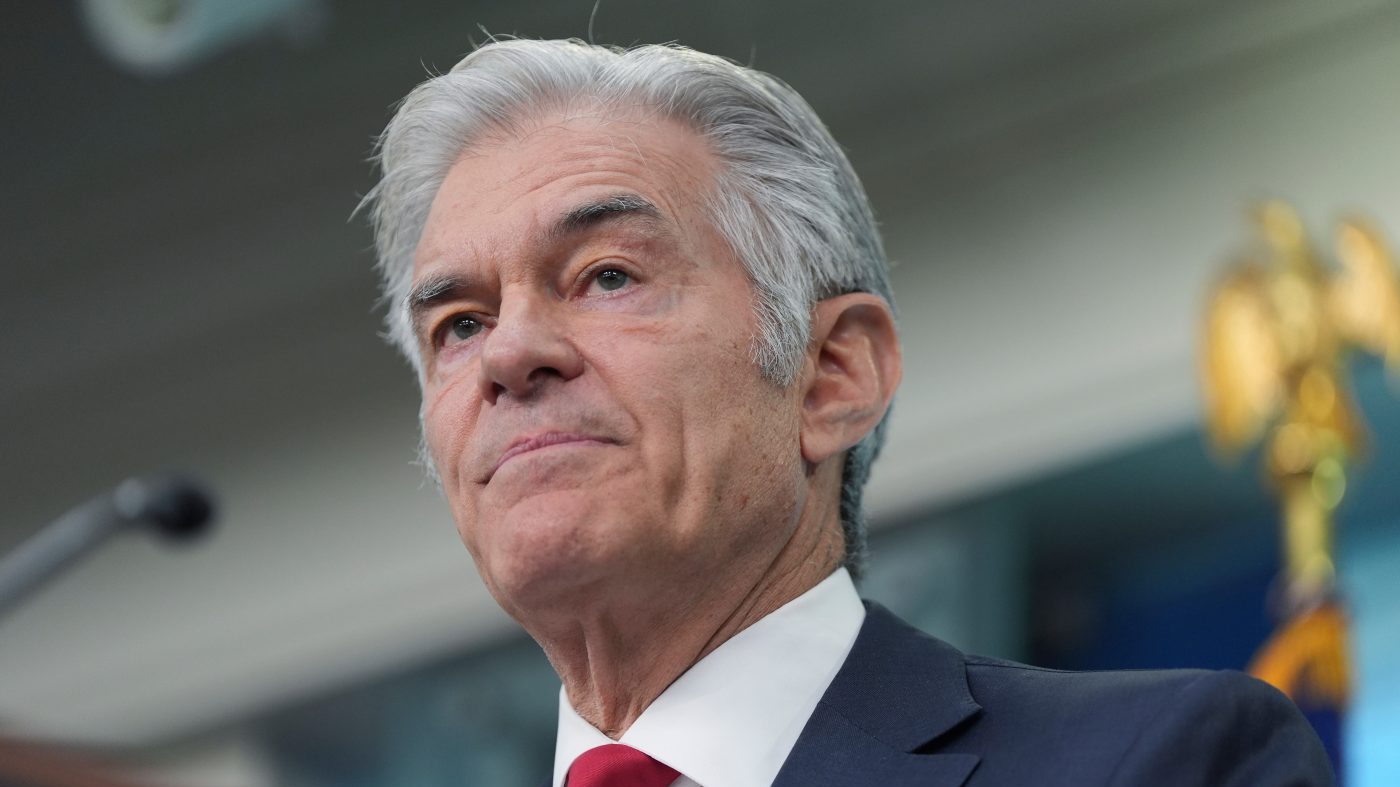
“We're forgiving, but we're not foolish,” CMS Administrator Mehmet Oz told reporters Monday. “We are appropriately going after problem areas and doing it in a way that's compassionate and forgiving, but we don't want to be false.”
Patient groups sound the alarm
Advocacy organizations representing people with HIV, hepatitis, and cancer sharply criticized the rule. Carl Schmid, executive director of the HIV+Hepatitis Policy Institute, said the stricter definition “puts the health of people living with HIV and viral hepatitis at risk.” Lisa Lacasse, president of the American Cancer Society Cancer Action Network, warned that “cancer will not wait while Medicaid offices sift through paperwork.”
Serafi echoed those concerns: “We're really concerned that by narrowing the exemption it's going to end up creating more barriers for people with serious medical needs who are now going to have to show that they're sick enough in order to qualify for Medicaid.”
Millions projected to lose coverage
Most Medicaid beneficiaries already work or face barriers to employment, but the Congressional Budget Office estimated the work requirements would cause about 5 million people to become uninsured by 2034, many of whom are working but unable to navigate the paperwork. CMS's own interim final rule projects 3.1 million to 3.3 million people losing coverage annually through 2036.
The rule takes effect in January, giving states just months to overhaul their systems. Meanwhile, the political battle over the policy continues, with some GOP lawmakers defending it as a necessary reform while Democrats and patient groups prepare legal challenges. The rule also intersects with broader tensions over the federal budget, including the ongoing debate over the Fitzpatrick-led effort to block the anti-weaponization fund and the 9th Circuit's rejection of a youth climate lawsuit.