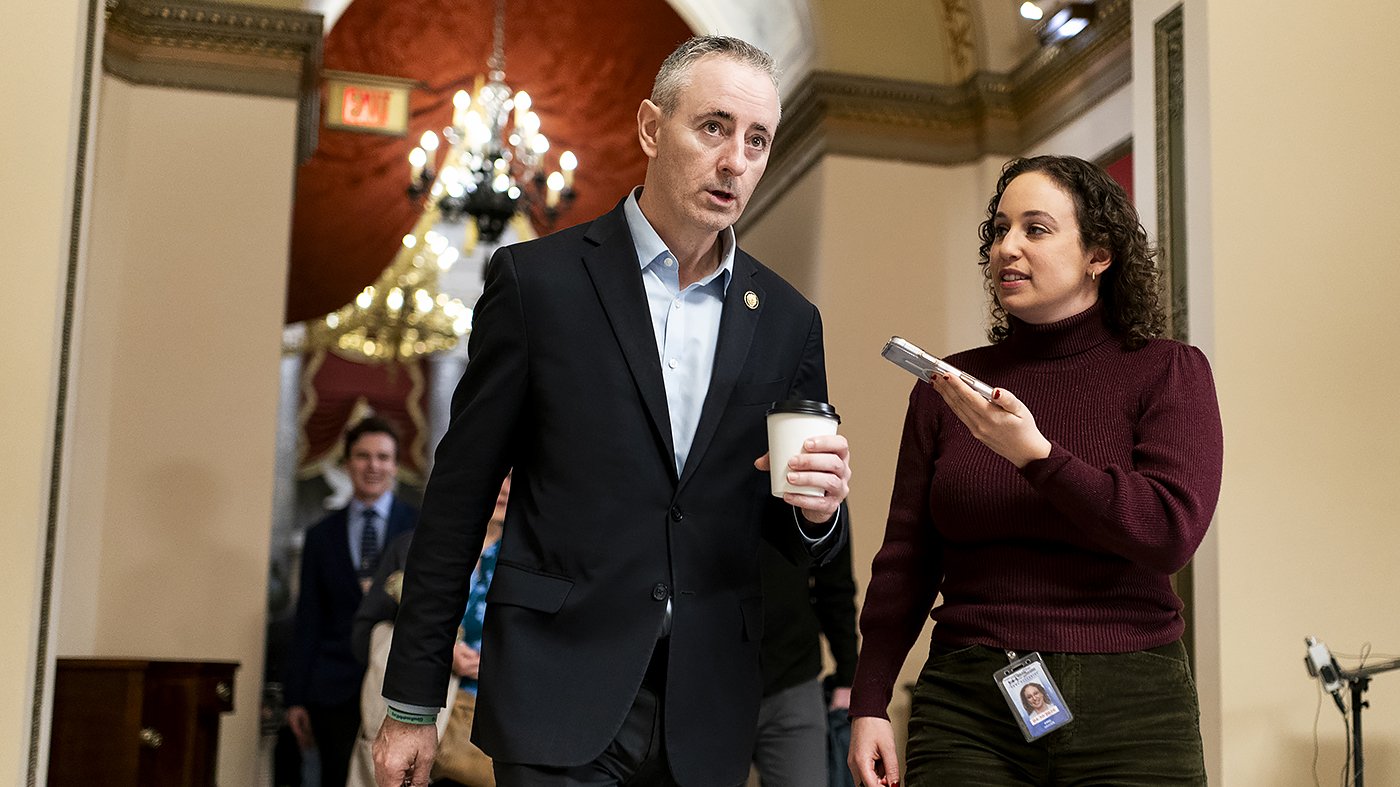
Republican Representative Brian Fitzpatrick of Pennsylvania announced Monday he will press ahead with a legislative push to block the Trump administration’s proposed $1.8 billion “anti-weaponization” fund, even after the Department of Justice said it would temporarily halt the program under court order. The fund, intended to compensate individuals who claim they were unfairly targeted or prosecuted under the Biden-era Justice Department, has ignited a fierce internal GOP battle over spending priorities and political optics.
Fitzpatrick, co-author of the bill with Democratic Representative Tom Suozzi of New York, told CNN’s Anderson Cooper that the Justice Department’s statement was “not satisfactory.” He argued that a legislative remedy is still necessary to prevent future abuses. “We need both a legal avenue here and a statutory legislative avenue,” Fitzpatrick said. “That’s what Tom and I have introduced, and that’s what we’re going to force to the floor.”
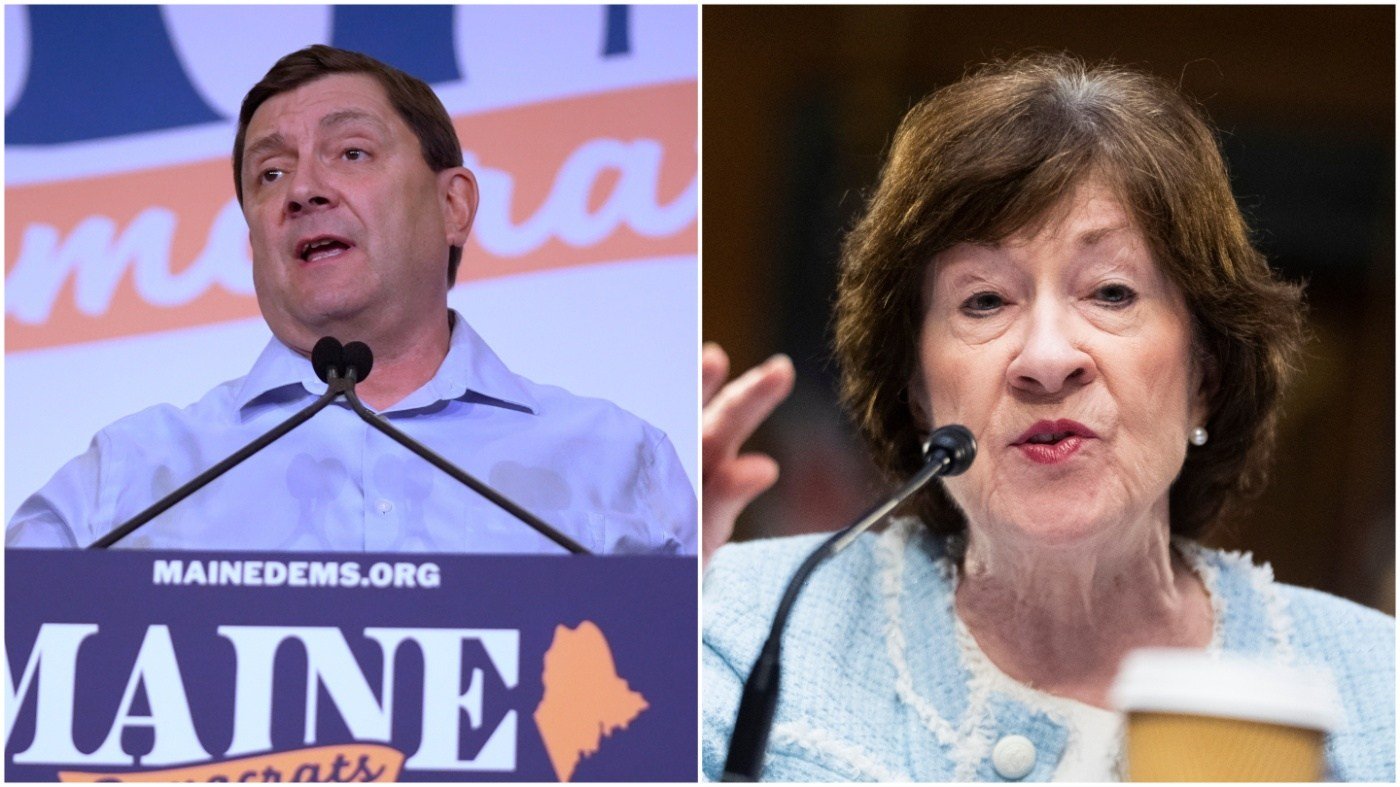
The fund, which critics warned could benefit individuals involved in the January 6 Capitol breach, had already drawn sharp opposition from Senate Republicans. Majority Leader John Thune of South Dakota delayed action on an immigration enforcement spending bill before the Memorial Day recess amid the backlash. The Senate GOP is now bracing for a broader showdown over the fund as reconciliation negotiations stall.
Fitzpatrick and Suozzi are spearheading a discharge petition to force a floor vote on their legislation. The maneuver requires 218 signatures, meaning some Republicans will need to cross party lines and join Democrats to succeed. Fitzpatrick, one of the most centrist members of the House GOP, has a history of breaking with his party on high-profile votes, a pattern that has drawn President Trump’s ire.
Asked about that dynamic, Fitzpatrick told Cooper, “I answer to no person or no party in Washington, DC. I work for the people in Bucks and Montgomery counties in Pennsylvania. They’re my bosses. That’s the approach that every member of Congress is supposed to take.” He added that his constituents have made clear they don’t want “money for a ballroom” or a “slush fund,” and instead want Congress to focus on affordability issues.
The Justice Department announced Monday it would comply with a federal court decision temporarily blocking the fund’s establishment pending further litigation. But Fitzpatrick dismissed that as insufficient, calling the fund a “gross abuse of discretion.” He argued, “We have half of this country living paycheck to paycheck. They’re struggling to meet the most basic needs to govern their households, and when we’re focused on these infrastructure projects and these slush funds, that is not the way we should be governing. It’s not a wise use of taxpayer money.”
The push to block the fund comes as Democrats in the Senate have also moved to halt it. Senate Democrats have introduced their own measures to prevent the fund from being established, capitalizing on the political vulnerability the issue has created for the White House. Meanwhile, Thune has been pressing the administration to scrap the proposal entirely to avoid further internal strife.
The fund’s opponents argue it is a political slush fund that could reward individuals who broke the law or were legitimately prosecuted. Supporters, however, maintain it is a necessary step to address what they see as the weaponization of the Justice Department under the previous administration. The fund was initially part of a broader Trump administration push to reshape federal law enforcement priorities.
Fitzpatrick’s move sets the stage for a rare bipartisan alliance in the House, where a discharge petition could force a vote that many Republican leaders would prefer to avoid. The outcome remains uncertain, but Fitzpatrick’s determination signals that the fight over the anti-weaponization fund is far from over. “We’re going to stop this instance, and we’re going to prevent future instances from happening,” he vowed.