The Senate returns Monday evening to a political atmosphere thick with tension, as Republican infighting over President Trump's controversial 'anti-weaponization' fund has derailed the planned vote on an immigration enforcement funding package. What was supposed to be a straightforward path to put the bill on Trump's desk has instead become a test of party unity and the president's sway over his own caucus.
The fund, proposed by the White House last month, would issue payouts to individuals who claim they were wronged by the government. Its creation, coupled with Trump's endorsement of primary challengers to sitting GOP incumbents, has sparked a revolt among Senate Republicans. The anger was so palpable that leadership canceled the scheduled vote series on the enforcement bill, and lawmakers fled Washington. The mood has only soured since then, following the primary defeat of longtime Senator John Cornyn by Trump-endorsed Texas Attorney General Ken Paxton.
Senate Majority Leader John Thune (R-S.D.) acknowledged the charged environment, telling reporters, 'It’s hard to divorce anything that happens here from what’s happening in political atmosphere around us. You can’t disconnect those things.'
The Reconciliation Bill and the Fund
The 'anti-weaponization' fund is not part of the reconciliation bill itself, but the two are linked through the Senate Judiciary Committee. This connection opens the door for Democrats to force a 'vote-a-rama'—a series of unlimited amendment votes—that could compel Republicans to take politically painful positions on the fund. GOP senators emerged from a tense meeting with acting Attorney General Todd Blanche voicing sharp disapproval and demanding guardrails on how the money is distributed.
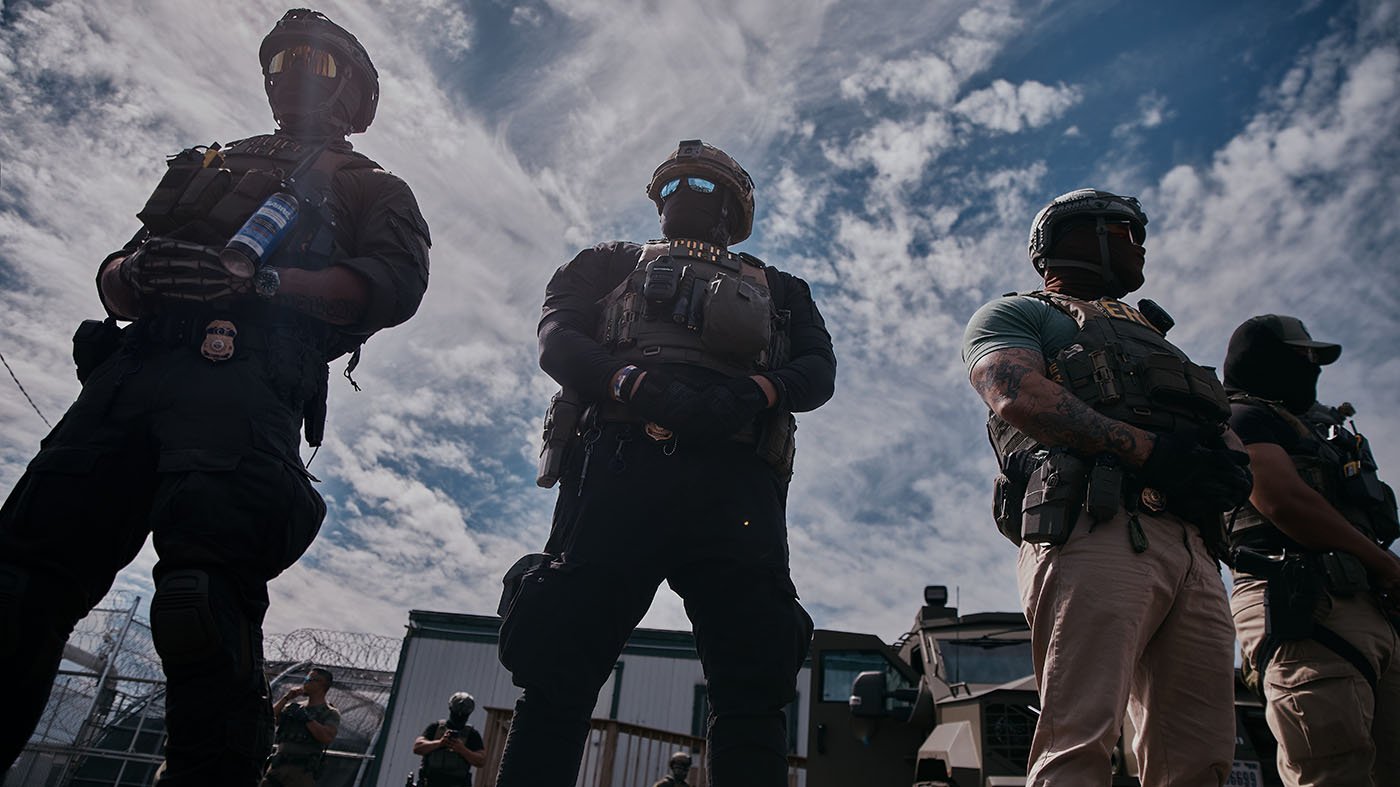
Thune warned that the administration would 'need to help' smooth over concerns, particularly among members who fear settlements could go to rioters who assaulted police officers on January 6, 2021. The reconciliation package is a priority for both the White House and GOP leadership, as it funds Immigration and Customs Enforcement and Customs and Border Protection—agencies left out of an earlier spending deal to break a partisan impasse over a partial government shutdown. The budget reconciliation process allows the majority to bypass the Senate filibuster, but it is notoriously strict and arduous.
Republicans had hoped to streamline the bill by focusing solely on immigration enforcement, delaying other priorities. But Trump's repeated attempts to insert his own demands have repeatedly scuttled those efforts. An earlier version of the bill included $1 billion for Trump's White House ballroom security, which was removed after objections from GOP Sens. Susan Collins (Maine), Lisa Murkowski (Alaska), Thom Tillis (N.C.), and Bill Cassidy (La.), the latter having recently lost his primary to a Trump-endorsed challenger. The Senate parliamentarian also ruled the funding violated reconciliation rules. While that provision is gone, Trump is unlikely to drop the issue, setting up further conflict.
War Powers and FISA Loom
Beyond the reconciliation fight, both chambers are expected to take up resolutions limiting Trump's war powers in Iran, a direct test of his control over the party. Before recess, four Senate Republicans joined most Democrats to advance the resolution, as public opinion on the Iran conflict sours. A similar House resolution was pulled amid fears of defections. The next procedural vote could come this week.
Republicans will also attempt to make progress on reauthorizing the Foreign Intelligence Surveillance Act (FISA) ahead of a June 12 deadline, a hotly debated spy powers law that has divided the party. Secretary of State Marco Rubio is scheduled to appear before four congressional committees, where he is likely to face tough questions on Iran, Cuba, and other issues.
The growing rift between the White House and Senate Republicans threatens to slow legislative momentum as the midterm season approaches. With the reconciliation bill hanging in the balance, the administration must broker a series of deals to keep the party united—and the legislative train on track.