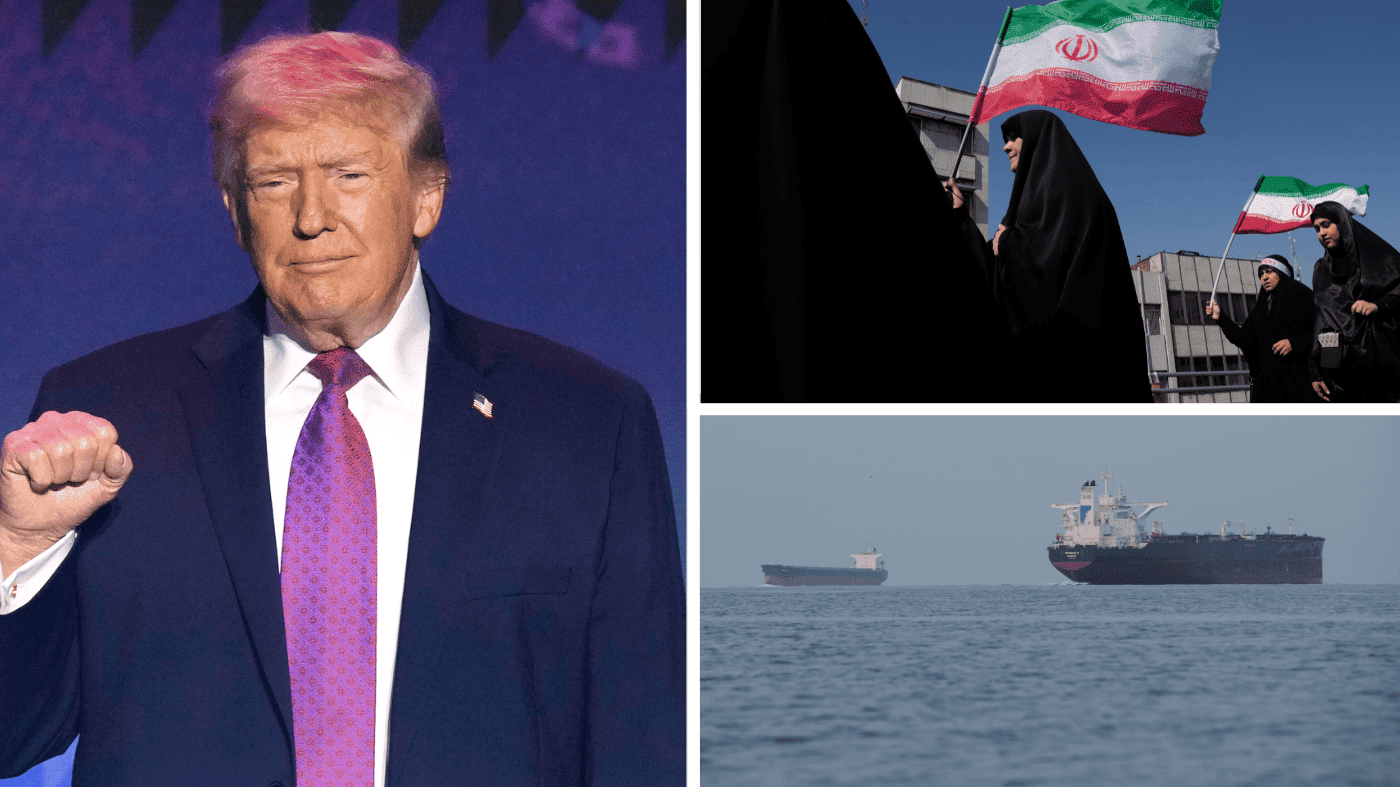
A fragile ceasefire between the United States and Iran faces a critical test this week as President Trump warned that military strikes would resume if a lasting agreement is not finalized by Wednesday. The warning follows Iran's decision to once again close the Strait of Hormuz to transit, a critical global oil chokepoint, just hours after it had reopened on Friday. The U.S. maintains a naval blockade at the strait, which President Trump insists will remain in "full force" until a deal is secured.
The closure marks the third time Iran has shuttered the vital waterway since hostilities began, directly impacting global energy markets. Following the brief reopening, benchmark oil prices fell sharply, with Brent crude dropping to $89 per barrel and West Texas Intermediate reaching $81. The volatility underscores the high economic stakes of the military and diplomatic standoff, a situation recently criticized by commentators who highlight the administration's inconsistent posture.
Diplomatic Maneuvers and Sunday Show Spotlight
Despite the public threats, diplomatic channels appear active. Trump stated negotiations were proceeding "very well," while Pakistan's Foreign Minister expressed optimism about continued talks following a failed peace effort in Islamabad. The state of negotiations will be a central topic on Sunday's political talk shows, where key figures are scheduled to appear.
U.S. Ambassador to the UN Mike Waltz will make multiple appearances, as will UAE Minister of State Reem Al Hashimy and exiled Iranian Crown Prince Reza Pahlavi. Former energy diplomat Amos Hochstein and Energy Secretary Chris Wright are also slated for interviews, where they will likely address the strait's impact on the ongoing energy crisis.
Domestic Political Fallout and Investigations
Separately, Congress is grappling with a series of scandals and legislative fights. The resignations of Representatives Eric Swalwell (D-Calif.) and Tony Gonzales (R-Texas) following sexual misconduct allegations have triggered multiple federal investigations. Swalwell, who has denied wrongdoing, also exited the California gubernatorial race, a topic that may arise in interviews with candidates Matt Mahan and Steve Hilton.
Further expulsion votes loom next week for Representatives Sheila Cherfilus-McCormick (D-Fla.), accused of misdirecting disaster funds, and Cory Mills (R-Fla.), facing allegations of sexual misconduct and campaign finance violations.
Budget Standoff and Midterm Politics
On Capitol Hill, Republican frustration is mounting over a Senate plan to restore funding to the Department of Homeland Security. GOP leaders are pushing a partisan reconciliation bill to fund immigration enforcement agencies for three years, but are carefully avoiding public criticism of Speaker Mike Johnson to prevent further escalation. They have warned the White House that funds for TSA officers will soon be exhausted without congressional action. Senators Rick Scott and Eric Schmitt, along with Representative August Pfluger, may address the impasse during their Sunday show bookings.
In state politics, Virginia voters are casting ballots in a special election that could radically alter the state's congressional map. A measure, supported by former President Obama in a new video, would likely shift the current 6-5 Democratic edge to a 10-1 advantage. The campaign is heavily financed by "dark money" groups that do not disclose their donors.
The convergence of an international crisis and domestic turmoil presents a complex challenge for the administration. As the U.S. military prepares for further escalation in the Gulf, the political landscape at home remains fractured, setting the stage for a pivotal week in both foreign and domestic affairs.