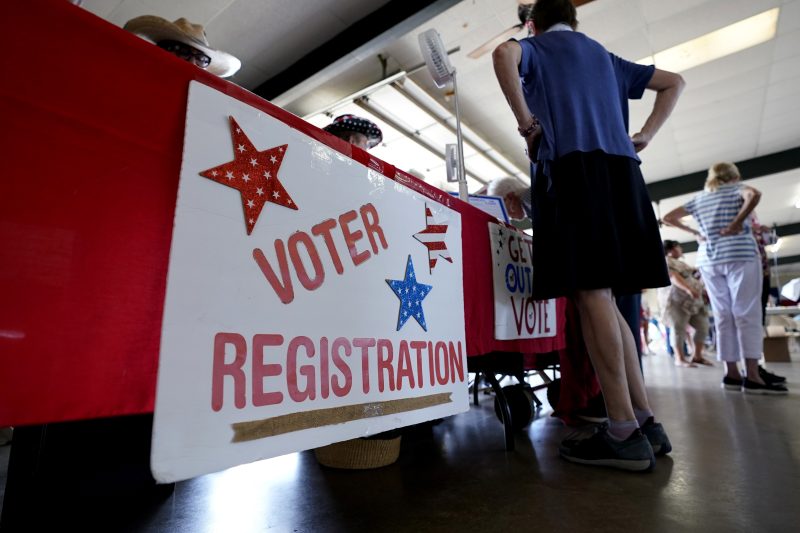
A fresh survey from Texas Southern University's Barbara Jordan Public Policy Research and Survey Center reveals that Texas voters are evenly divided on a core question that has roiled state and national politics: whether stopping voter fraud or ensuring broad access to the ballot is more important.
Fifty percent of registered voters said election integrity should be the top priority, while the other half argued that protecting eligible citizens from being denied the right to vote is paramount. The findings, released Tuesday, underscore the polarized landscape in a state that has become a battleground for voting laws.

Mark Jones, a co-author of the survey, explained the inherent tension in a statement to ABC 13: “The more you prioritize election integrity, the more you restrict ballot access, and the more you expand ballot access, the more you undermine election integrity.”
The poll also probed perceptions of voter fraud, a topic that has fueled legislative battles and litigation. Nearly a quarter of respondents (24 percent) said there is “a great deal” of voter fraud nationwide, despite multiple studies and court rulings finding that fraud is exceptionally rare. By contrast, 11 percent said there is no fraud at all, 30 percent said there are very few instances, and 35 percent acknowledged some fraud exists.
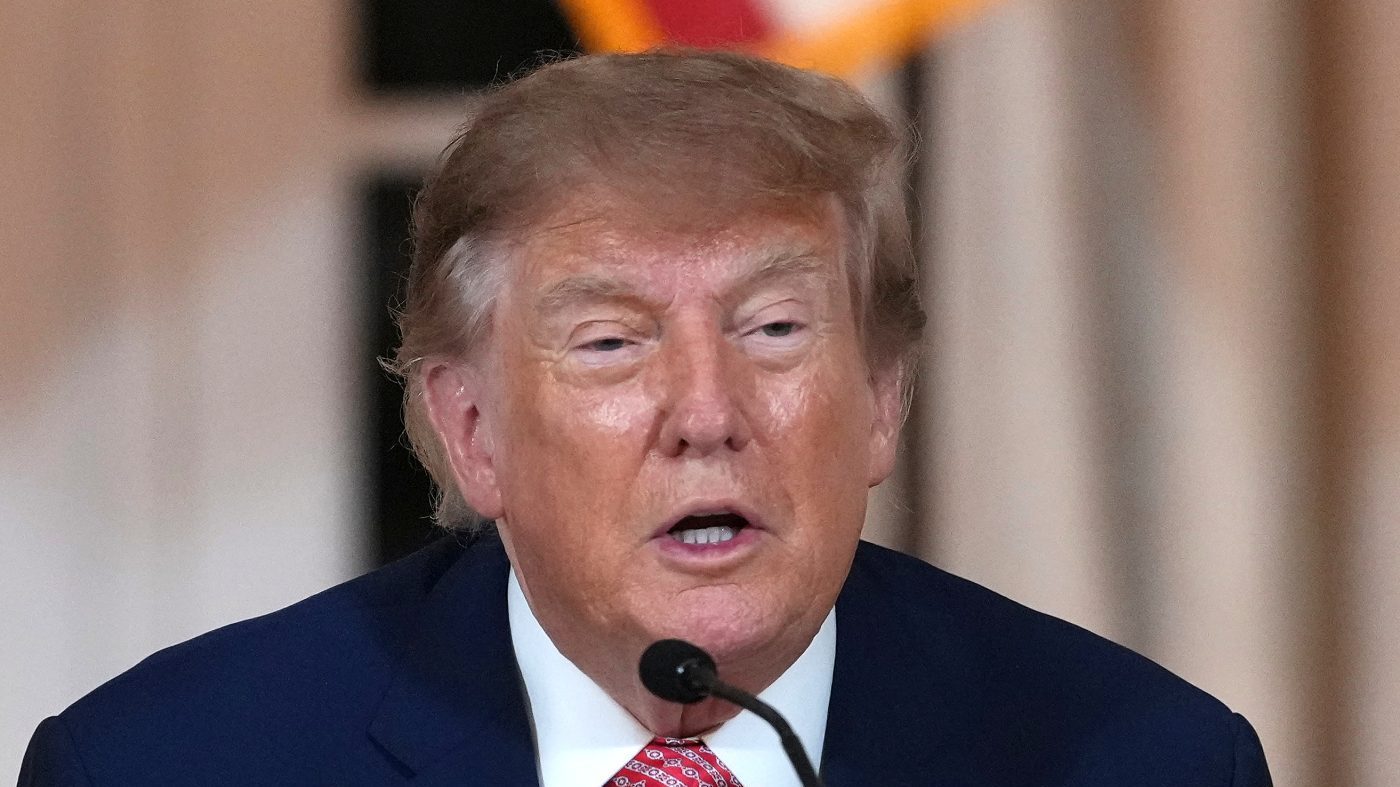
Jones pointed to the role of former President Donald Trump in driving these perceptions. “While there is very little actual election fraud in the United States, there is a perception, especially among Republican voters, that fraud is a major problem,” he said. “In part because President Trump played up the issue of fraud as one of the reasons why he lost the 2020 election, and Republican elected officials... have passed legislation combating election fraud.”
Trump and his allies have pushed for stricter voting requirements, including proof-of-citizenship mandates. Congress is still weighing the SAVE Act, SAVE America Act, and MEGA Act, while Trump has used executive action to tighten voting rules ahead of the midterms. Meanwhile, Republican leaders in Texas have advanced measures that critics say disproportionately affect minority and low-income voters. The recent Texas Senate race has also highlighted the party's internal dynamics on these issues.
The partisan divide in the survey was stark: 80 percent of Republican voters said election integrity should be prioritized, while 88 percent of Democrats said preserving ballot access is more crucial. Among independents, 48 percent favored election integrity and 52 percent chose ballot access. This split mirrors national trends, where the debate has become a defining issue for both parties.
Jones noted that the perception of fraud is not limited to Texas. “Republican elected officials, because of the emphasis placed on this issue by the president and others, have passed legislation combating election fraud,” he added. The poll's findings come amid ongoing legal battles over voting laws in Texas and other states, with the release of Tina Peters from prison reigniting discussion of disproven 2020 election fraud claims.
The Barbara Jordan Center surveyed 1,706 registered Texas voters, with a margin of error of 2.37 percentage points. The results provide a snapshot of a deeply divided electorate as lawmakers continue to grapple with how to balance security and accessibility at the polls.