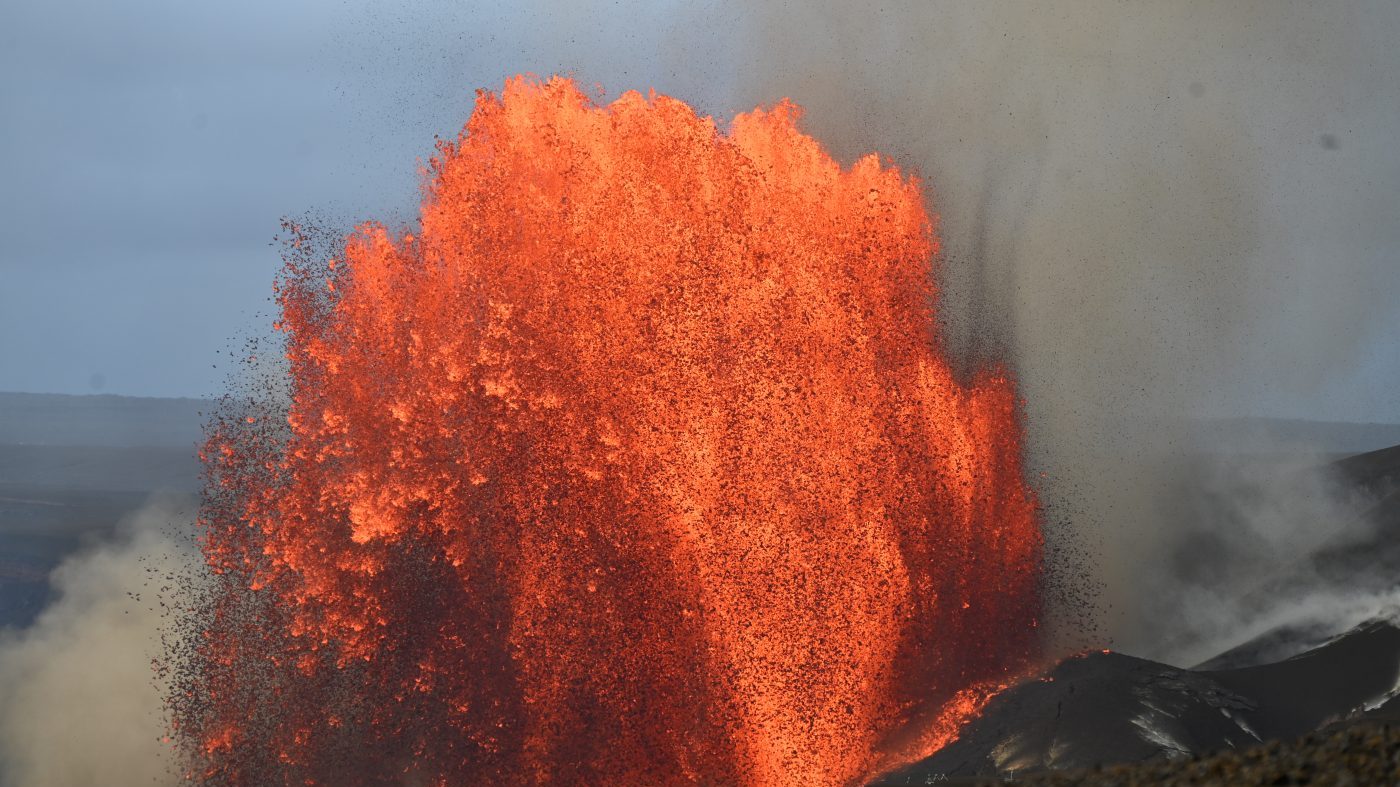
Hawaii's Kilauea volcano kicked off its 48th eruption episode early Monday, continuing a series that has been ongoing since late last year. The latest event began at 4:40 a.m. local time on June 1, according to the Hawaiian Volcano Observatory, with the north vent showing particularly vigorous activity and occasional overflows from the south vent.
By 6:30 a.m., officials observed lava fountains reaching between 500 and 650 feet above the north vent, with the eruption plume climbing to 24,000 feet above sea level. The National Weather Service warned that tephra—volcanic material ejected during eruptions—could drift northward due to winds from the south at altitudes of 10,000 to 20,000 feet.

The NWS issued an Ashfall Advisory until noon for Hawaii Volcanoes National Park and areas to the north and northeast, including the communities of Volcano and Mountain View. Residents in those zones were advised to prepare for potential ash accumulation, which can disrupt air quality and infrastructure.
This episode follows Episode 47, which began on May 14, and is part of a broader sequence that has seen Kilauea erupting since December 23, 2024. Each episode has typically lasted a day or less, but the cumulative activity has kept scientists and local officials on alert, especially as the volcano is a major tourist draw and sits near populated areas.
The ongoing eruptions come as Hawaii faces other challenges, including a federal judge dismissing the Trump administration's bid to block the state's climate lawsuit against oil giants, a case that could reshape energy policy in the islands. Meanwhile, Hawaiian Airlines recently scrapped free main cabin meals, shifting to a prepaid menu as part of broader cost-cutting measures.
Kilauea's activity is closely monitored by the Hawaiian Volcano Observatory, which provides regular updates on vent behavior and gas emissions. The current episode underscores the dynamic nature of the volcano, which has been erupting intermittently for decades and remains a focal point for both scientific study and public safety.
The ashfall advisory is particularly significant for communities like Volcano and Mountain View, which are home to thousands of residents and are frequently affected by volcanic emissions. Local authorities are urging residents to stay indoors and protect sensitive equipment, as ash can damage vehicles and electronics.
As the episode unfolds, officials continue to assess risks, noting that the north vent's intensity could shift wind patterns or produce additional hazards. The series of eruptions since December has been characterized by brief but powerful fountaining events, a pattern that volcanologists say may persist.