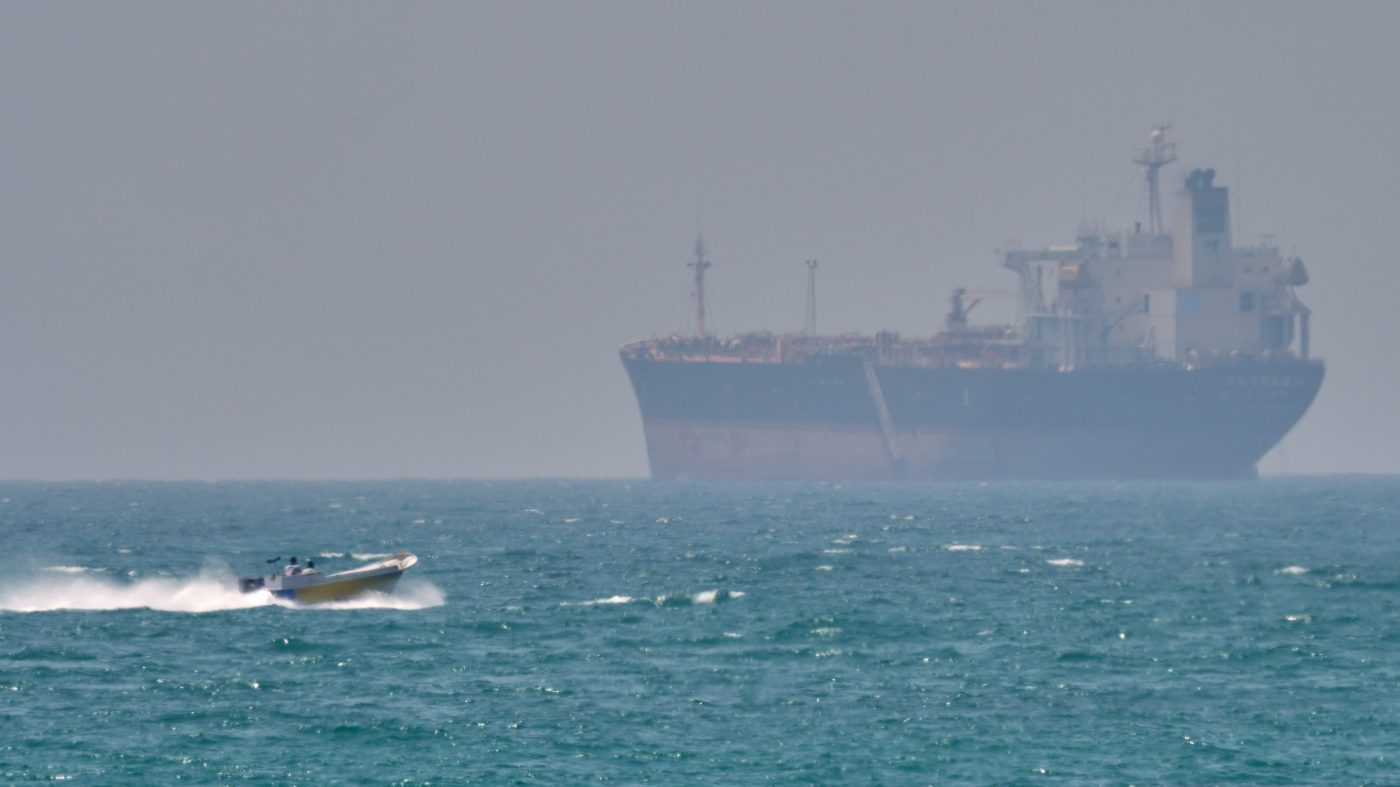
The U.S. military is preparing to board and seize commercial vessels linked to Iran in international waters within days, according to a source familiar with internal planning. The move represents a significant escalation of the ongoing U.S. naval blockade of the Strait of Hormuz, a critical chokepoint for global oil shipments, as the Trump administration seeks to increase pressure on Tehran.
The planning comes as U.S. forces are already enforcing the blockade in the Gulf of Oman, where they reportedly turned back 23 vessels attempting to leave Iranian ports earlier this week. The expanded enforcement would authorize direct boarding operations and seizures, a more aggressive posture than the current interdiction efforts.
Iran Reasserts Control, Trump Warns of Force
This military planning unfolds against a backdrop of rapid developments. Iran had initially claimed the strait was "completely" open following a temporary truce between Lebanon and Israel, a statement that briefly caused oil prices to drop. However, the regime reversed course on Saturday, announcing it would resume strict control of the waterway. An IRGC spokesperson stated on social media that until the U.S. ends its obstruction of vessel movement, "the situation in the Strait of Hormuz will remain under strict control." This follows Tehran's recent reimposition of military control over the strait in response to the ongoing American blockade.
President Trump addressed the situation, accusing Iran of attempting to "close up the strait again, as they've been doing for years." He added, "They can't blackmail us," signaling a firm stance. The president also indicated that talks with Iran, mediated through Pakistan, were going "very well," despite the most recent round ending without an agreement. He issued a stark warning, telling reporters the U.S. could "drop bombs again" on Tehran if a long-term deal is not secured.
Economic and Strategic Stakes
The Strait of Hormuz is a vital artery for global energy markets, responsible for the transit of roughly one-fifth of the world's oil supply. Iran's actions to effectively close the passage have already contributed to increases in energy and gas prices. The regime has also been linked to attacks on several vessels in the channel, further destabilizing the region.
The two-week ceasefire in the broader regional conflict is set to expire on Wednesday, adding urgency to the military and diplomatic maneuvers. According to reports, President Trump convened a White House Situation Room meeting early Saturday specifically to discuss Iran, underscoring the high-level focus on the crisis.
The planning for the expanded naval crackdown was first reported by The Wall Street Journal. The Hill has contacted U.S. Central Command for official comment. The situation highlights the delicate balance of civilian authority over military operations during a tense international standoff.
This escalation occurs as the Pentagon leadership is managing other sensitive personnel matters, including recent controversies over the tone of military briefings. The direct order to board and seize vessels marks a new phase in the Trump administration's maximum pressure campaign against Iran, testing the fragile ceasefire and risking a broader military confrontation in a region already on edge.