Army Secretary Cites Civilian Control in Defense of General's Removal
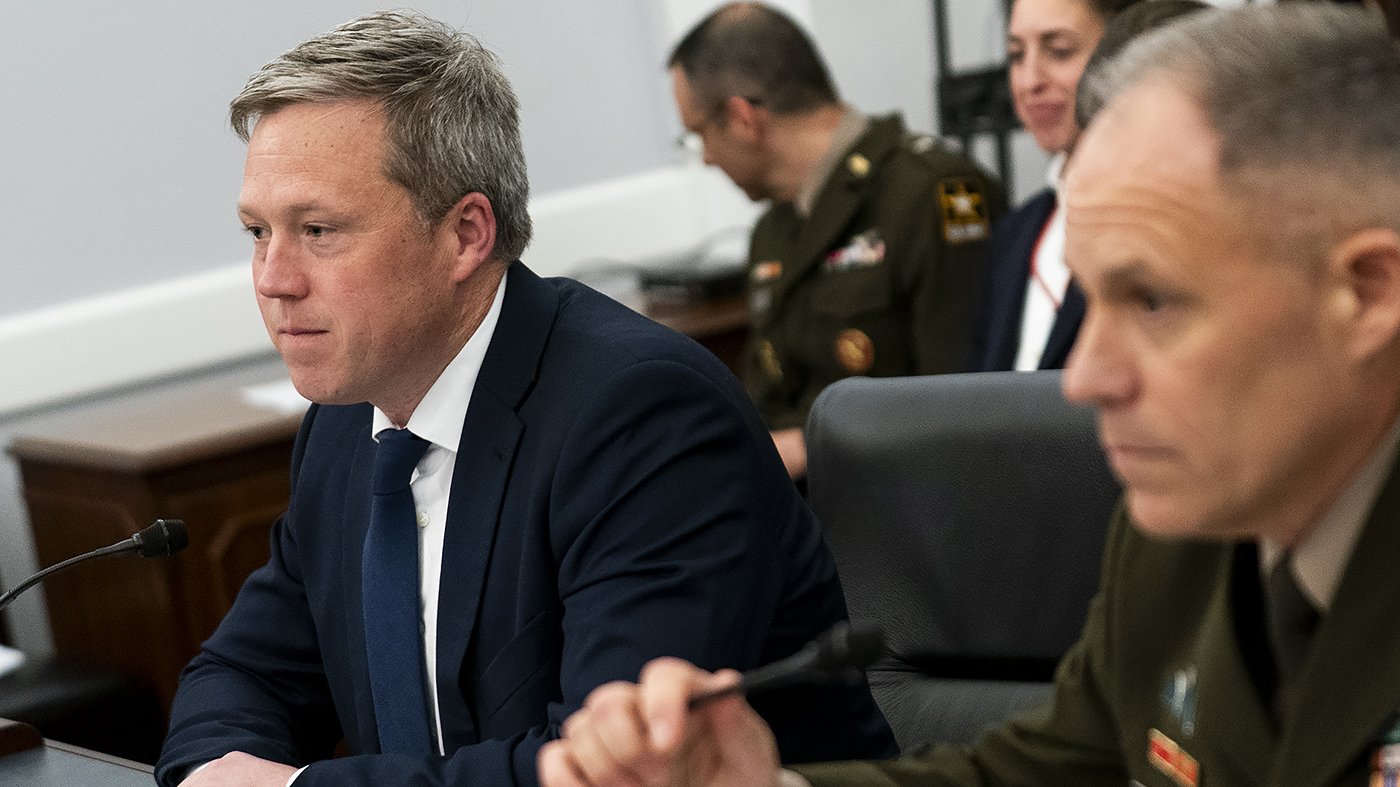
Army Secretary Dan Driscoll offered his first public comments on Thursday regarding the dismissal of the service's former chief of staff, Gen. Randy George, telling lawmakers that while he holds deep respect for the ousted officer, civilian officials retain the ultimate authority to select military leadership. Driscoll's testimony came during a tense hearing before the House Appropriations defense subcommittee, where the abrupt termination of the four-decade Army veteran has sparked bipartisan concern.
"There is no person that has more respect for Gen. George... he was an amazing, transformational leader," Driscoll stated. "That being said, the civilian leadership, the design of our system, is that they get to pick the leaders that they want, and we execute on those orders." The Army Secretary revealed he was on family vacation in North Carolina when George was asked to submit his resignation, and upon returning, drove directly to the general's home to offer personal support.
Lawmakers Decry 'Humiliating' Dismissal Process
The hearing became a forum for bipartisan frustration over the handling of George's removal. Rep. Ed Case (D-Hawaii) delivered a sharp rebuke, arguing the administration owed Congress, the public, and soldiers a proper explanation. "When you collectively — the president, the secretary and yourself — decide to summarily fire the chief of staff of the Army — publicly, overtly, I would even say humiliatingly and cruelly — without any offer, apparently, of a graceful exit, you at least owe an explanation, which you did not do," Case asserted. He warned the opaque dismissal had "created and compounded numerous issues, including morale, uncertainty, and distrust," particularly during an ongoing conflict with Iran.
Republican voices joined the criticism. House Appropriations Committee Chair Tom Cole (R-Okla.) called George's departure a "real loss" for the military, stating for the record his personal regret that the general was no longer in active service. The removal, executed earlier this month at the request of Defense Secretary Pete Hegseth, reportedly caught many at the Pentagon off guard and prompted a chorus of Republican support for George. The lack of a clear rationale has fueled scrutiny of the Pentagon's internal dynamics, as highlighted when the House GOP chairman labeled the ouster a damaging blow to military stability.
Accountability Questions Linger in Pentagon Leadership
When pressed on Wednesday by Rep. Austin Scott (R-Ga.) about the reasons behind Hegseth's decision to fire George, acting Army Secretary Gen. Christopher LaNeve deferred, stating, "That's a question for Secretary Hegseth." This deflection underscores the unresolved questions surrounding leadership decisions at the highest levels of the Defense Department. The incident occurs amid broader tensions, as Driscoll has recently had to defend a massive defense budget proposal while navigating a complex relationship with the Pentagon's civilian leadership.
The firing has ignited a debate about the proper balance between civilian oversight and military expertise. Driscoll's testimony emphasized the foundational principle of civilian control, but lawmakers questioned whether the process undermined military professionalism and morale. The episode reflects wider patterns in the current administration where abrupt leadership changes have prompted congressional backlash, similar to reactions when the Defense Secretary skipped a critical Ukraine meeting, raising concerns about strategic consistency.
Gen. Randy George served for over 40 years and was widely regarded as a respected and effective leader within the Army. His sudden removal without a detailed public explanation continues to generate unease on Capitol Hill, suggesting this issue will resurface as Congress exercises its oversight role. The manner of his dismissal stands in contrast to other political transitions, such as when former President George W. Bush offered public support in a key GOP primary, demonstrating more conventional political engagement.
As the Army moves forward under new leadership, the fallout from George's ouster highlights the delicate interface between political appointees and career military officers. The congressional reaction signals that future personnel decisions at the Pentagon will face intensified examination, with lawmakers demanding greater transparency to maintain confidence in the chain of command during a period of global instability.