U.S. Defense Chief Continues Pattern of Absence from Ukraine Forum
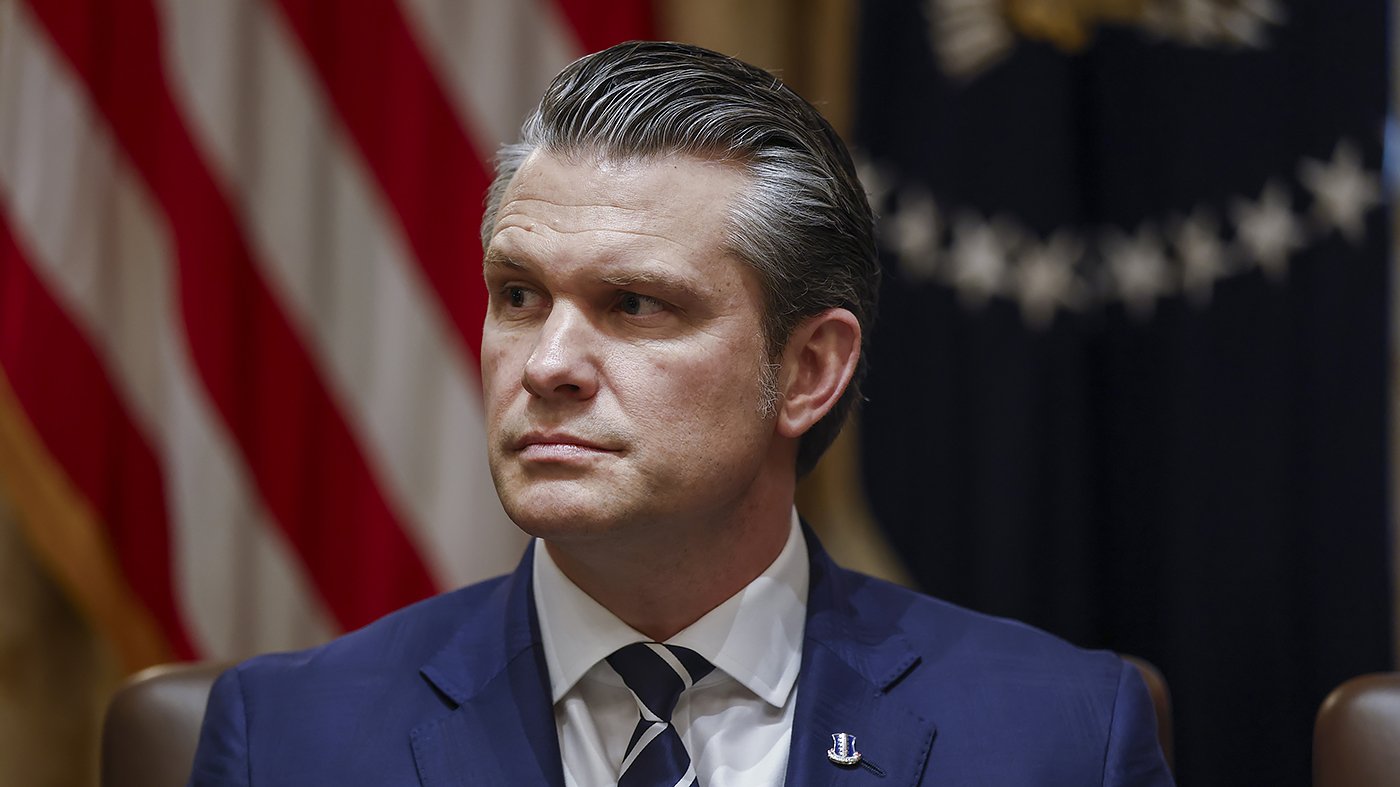
Defense Secretary Pete Hegseth will once again be absent from a major international meeting of nations coordinating military support for Ukraine, a Pentagon official confirmed Tuesday. Instead, Undersecretary for Policy Elbridge Colby will represent the United States virtually at the Ukraine Defense Contact Group (UDCG) gathering this week.
The meeting, which will be chaired by the United Kingdom and Germany, brings together approximately 50 countries committed to arming Kyiv in its ongoing war against Russia. Hegseth's absence makes the United States a notable outlier, as most participating nations send their top civilian defense officials to the forum originally established by former Defense Secretary Lloyd Austin during the Biden administration.

A Consistent Pattern of Disengagement
This marks the latest in a series of UDCG meetings that Secretary Hegseth has either skipped entirely or attended only by remote connection. He did not participate in the group's in-person meeting at NATO headquarters in April 2025, instead calling in, and was similarly absent from subsequent meetings in June and February. The latter gathering was also attended by Colby in Hegseth's place.
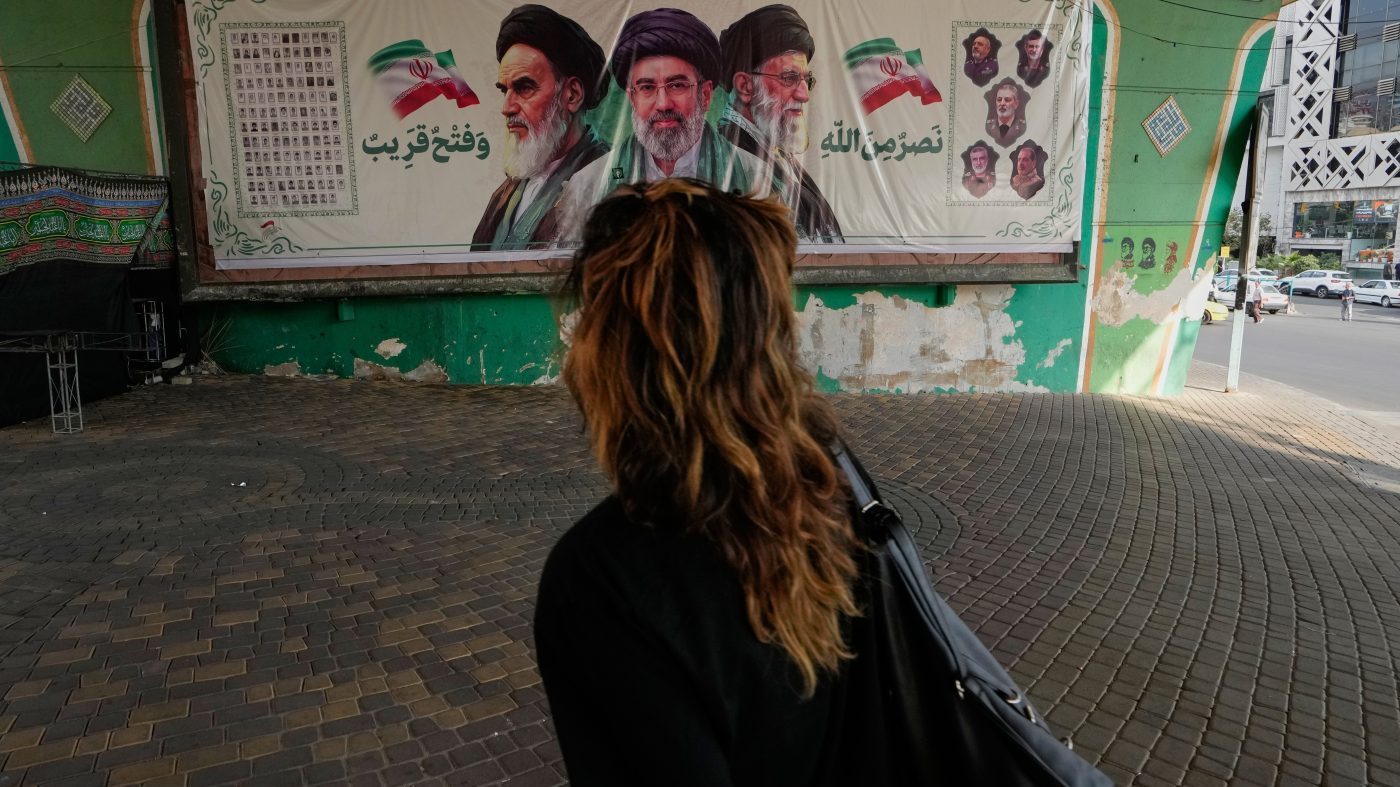
The pattern reflects a broader strategic shift within the Trump administration, which has turned its primary focus away from European security concerns and toward the Middle East, where the United States is currently engaged in a conflict with Iran. Shortly after President Trump's second term began, Hegseth transferred formal leadership of the UDCG to the United Kingdom, signaling a reduced American commitment to coordinating Ukraine aid.
This approach aligns with Hegseth's ongoing restructuring of Pentagon leadership and his generally hands-off policy regarding lethal assistance to Ukraine. Early in the term, President Trump expressed skepticism about continuing U.S. military support, freezing new lethal aid packages while allowing previously pledged shipments from the Biden era to proceed.
Strategic Pivot to Middle East Overshadows Ukraine Policy
The administration's attention has been overwhelmingly consumed by the war with Iran, which began over a month ago with a sustained bombing campaign. Although Washington and Tehran are currently observing a two-week ceasefire, negotiations to permanently end the conflict have reached a stalemate. This Middle Eastern engagement has effectively sidelined Trump's earlier efforts to broker a peace deal between Russia and Ukraine, during which he had promised Washington would help European nations send more weapons to Kyiv.
Compounding this shift is the administration's persistent pressure on European allies to assume greater responsibility for their own defense. President Trump has repeatedly criticized NATO members for refusing to contribute directly to the U.S. war effort in Iran, even as he expects them to shoulder more of the burden for supporting Ukraine. This tension was recently highlighted during NATO Secretary-General Mark Rutte's visit to the White House, after which Trump renewed his attacks on the alliance.
The administration's communications strategy during this period has also evolved, with the Pentagon implementing a new media approach that emphasizes direct populist outreach over traditional press access. This change coincides with the broader foreign policy recalibration that places European security cooperation at a lower priority.
Hegseth's repeated absence from the UDCG meetings serves as a tangible symbol of this recalibration. It signals to European partners that Washington expects them to lead on Ukraine while America addresses what it perceives as more immediate threats in the Middle East. The long-term implications for transatlantic security cooperation and Ukraine's capacity to resist Russian aggression remain significant questions as this strategic divergence continues.