Internal Conflict Reaches Breaking Point
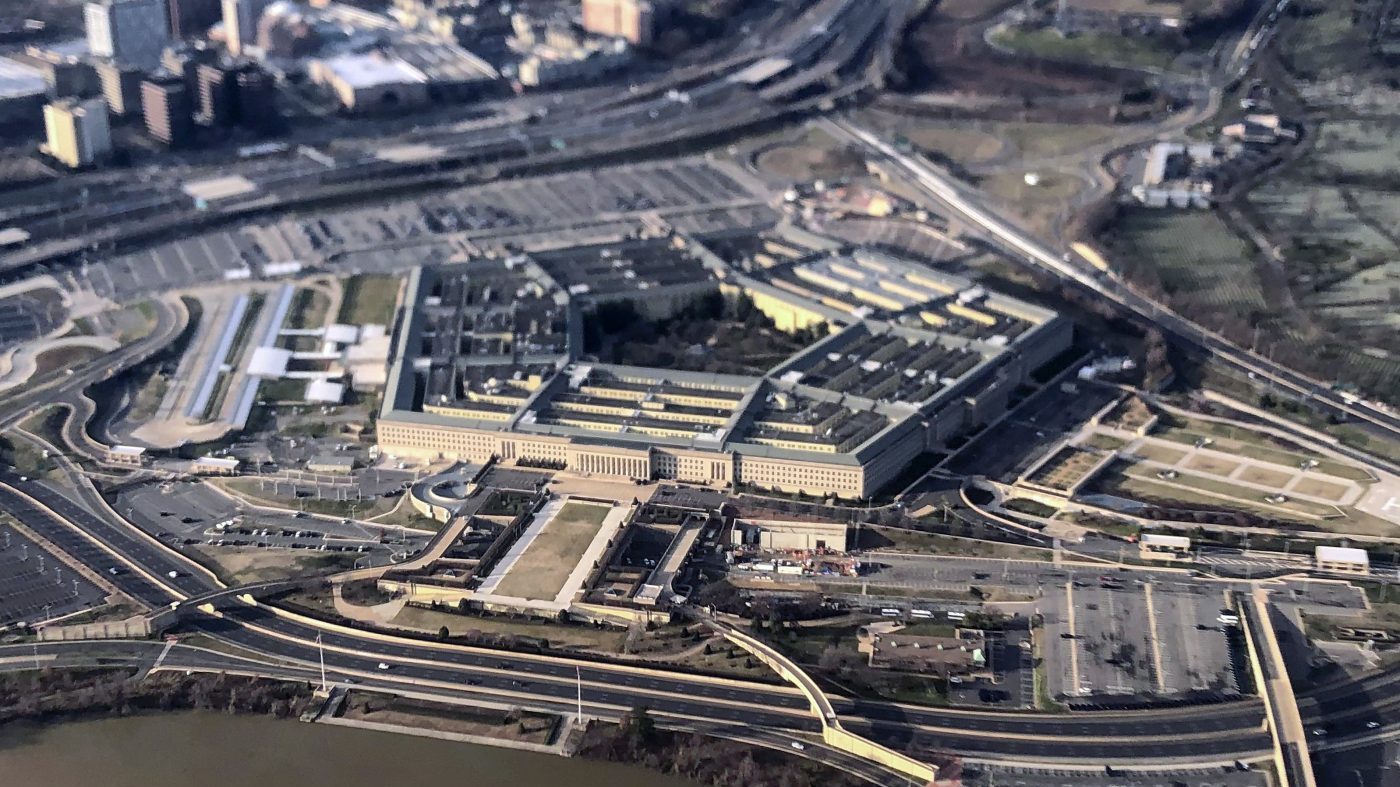
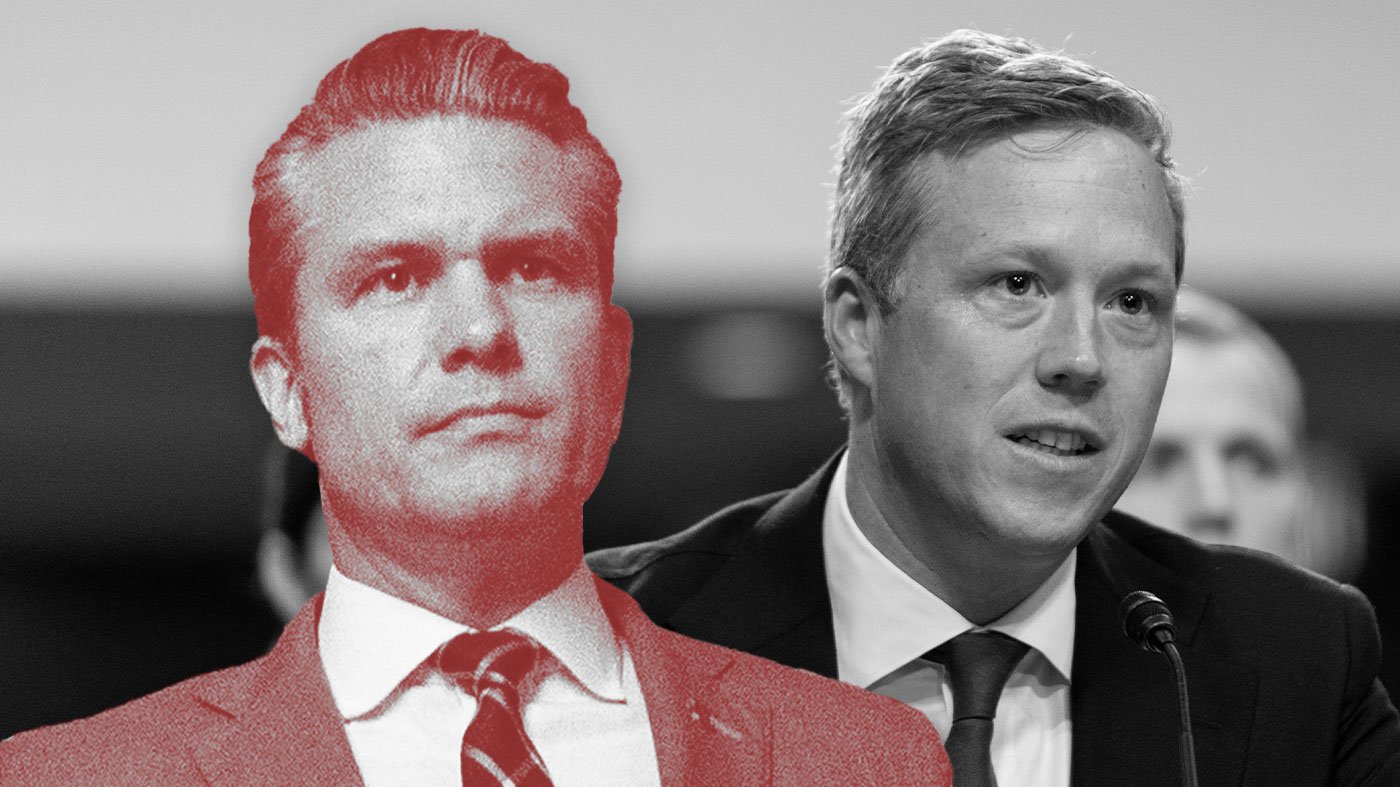
A protracted power struggle between Defense Secretary Pete Hegseth and Army Secretary Dan Driscoll has erupted into open conflict following Hegseth's dismissal of several high-ranking Army officials last week. The move, described by insiders as a purge, targets personnel aligned with Driscoll and signals an attempt by the defense secretary to consolidate authority within the military's largest service branch.
Roots of the Rivalry
The friction reportedly began last year when President Trump selected Driscoll, rather than Hegseth, to lead sensitive negotiations with Ukrainian officials aimed at ending the war with Russia. According to two former U.S. officials familiar with the matter, this assignment ignited Hegseth's suspicions. A current official, speaking anonymously, stated that Hegseth's "paranoia" has grown as the president has removed two other cabinet members, making him "really uncomfortable with anyone who could potentially be outshining him."

Hegseth's team allegedly believes it has uncovered evidence that Driscoll has become a "resistance figure" within the Pentagon, opposing not only Hegseth but President Trump's agenda as well. This perception has fueled a series of confrontational actions. The defense secretary, a former infantry officer, has already removed over a dozen senior leaders he accused of promoting "woke" diversity initiatives or maintaining ties to the prior administration.
A Provocative Dismissal
The most consequential action came with the firing of Driscoll's widely respected chief of staff, General Randy George, alongside two other senior officials. The timing stunned the defense establishment, occurring while the U.S. remains engaged in conflict with Iran. The dismissal followed closely on Hegseth's decision to overturn the suspension of an Army helicopter crew that flew near Kid Rock's Tennessee estate, an intervention that undercut an ongoing Army investigation into the incident. General George was reportedly supportive of that probe.
George's removal has triggered alarm among some Republican lawmakers who had previously supported Hegseth despite controversies during his tenure. "There's concern about the state and health of the Department of War going forward," said one former official, using the administration's preferred name for the Defense Department. "If you get rid of good—really good—generals for no reason... they have concerns about Hegseth himself."
In contrast, Driscoll has earned bipartisan praise. A Democratic congressional aide noted that among the three service secretaries, Driscoll is considered to be performing the best. He is also a close ally of Vice President Vance and is frequently rumored as a potential successor should Hegseth be removed. The White House has explicitly told Hegseth he cannot fire the Army secretary, leading the defense chief to instead target Driscoll's inner circle, including the earlier dismissal of Colonel Dave Butler two months ago.
"It's a way for him to... signal that I'm in charge of your people. I'm going to try to undermine your leadership," the current official explained, characterizing Hegseth's strategy as an attempt to "knock the Army down a few pegs so that he feels safer."
Official Denials and Broader Context
The Pentagon has forcefully rejected the narrative of a feud. Chief spokesperson Sean Parnell stated that Hegseth "maintains excellent working relationships with the secretaries of every service branch," calling reports of discord "fake news." The White House also presented a unified front, with spokesperson Anna Kelly praising both appointees for helping President Trump "restore a focus on readiness and lethality across our military."
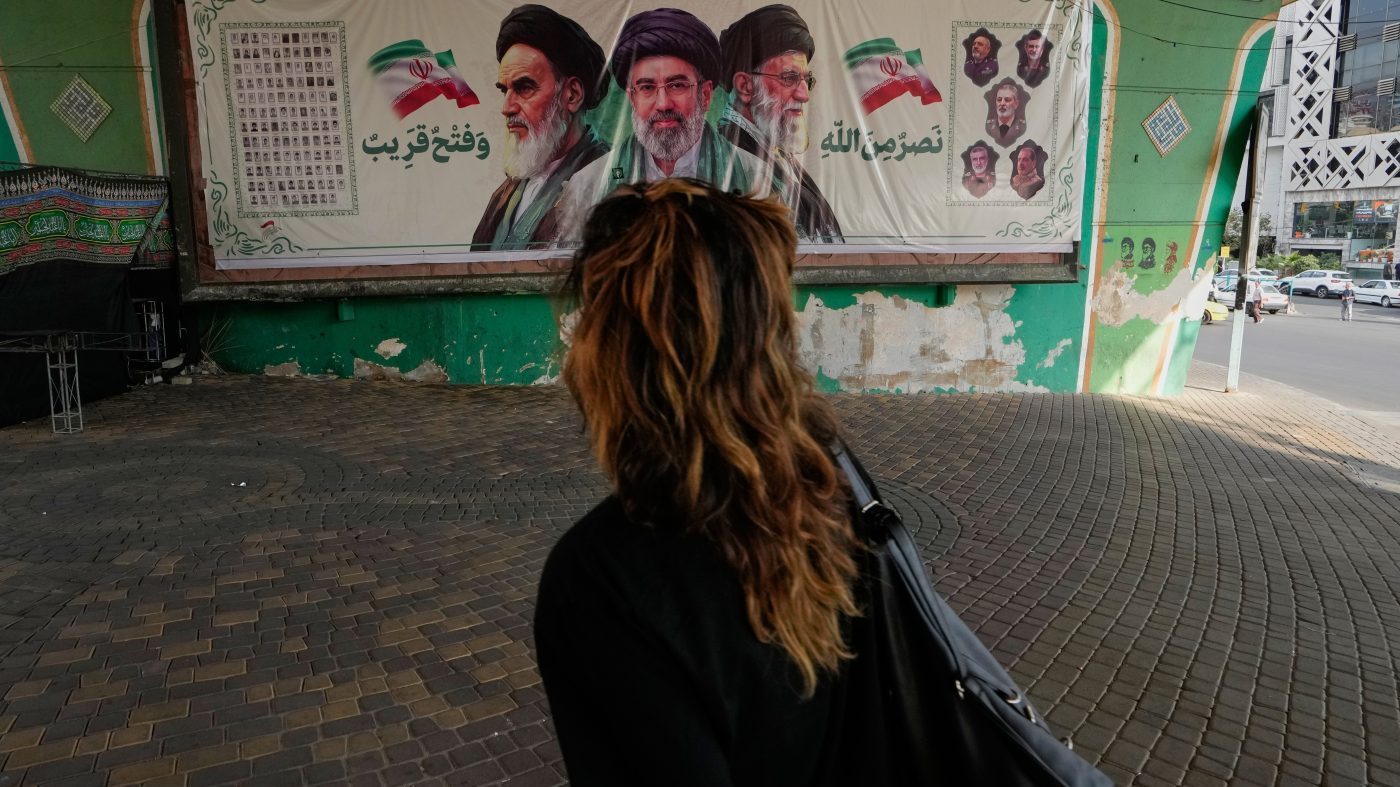
This internal turmoil unfolds against a backdrop of external challenges. Hegseth recently declared a 'decisive victory' over Iran following a ceasefire, a claim that has been met with skepticism. Senator Chris Van Hollen, for instance, has blasted such assertions as deceptive, warning they make the U.S. less secure. Furthermore, Driscoll has been forced to publicly deny resignation plans amid the escalating tensions.
The conflict traces back to Hegseth's difficult confirmation process, where Democrats highlighted past personal conduct issues, and an early scandal where he shared sensitive information in a private messaging group. That episode, according to a second former official, first made Hegseth deeply concerned about his cabinet standing and vigilant about media leaks—a vigilance now sharply focused on his own Army secretary.